



The TikTok Aesthetic
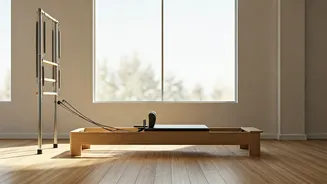
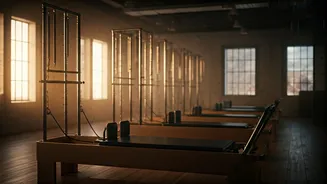
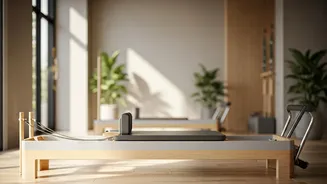
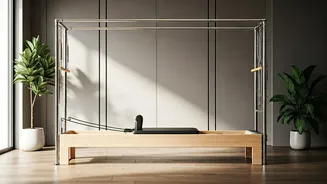
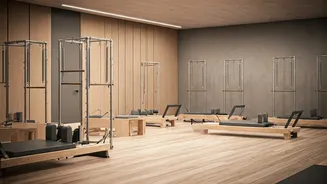
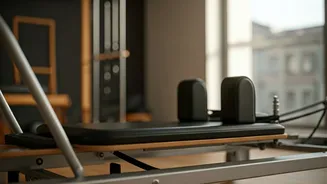
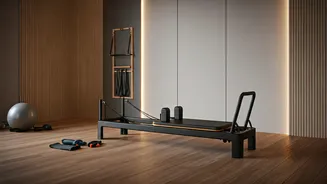
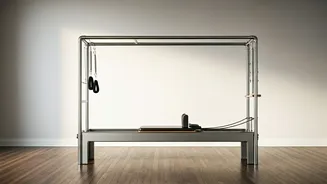
If any workout was poised for a social media glow-up, it was Pilates. The aesthetic is undeniable: clean lines, futuristic-looking reformer machines, and coordinated athleisure sets that scream “effortless wellness.” On TikTok, the #Pilates hashtag has billions
of views, showcasing everything from challenging reformer sequences to the aspirational “Pilates princess” lifestyle—think green juice, slicked-back buns, and an air of unbothered grace. Celebrities like Hailey Bieber, Kendall Jenner, and Lori Harvey are the high priestesses of this movement, regularly photographed leaving studios in what has become a new kind of pap-walk uniform. This visual appeal has transformed Pilates from a mere fitness routine into a complete cultural signifier. It’s not just about doing the exercise; it’s about embodying the calm, collected, and strong persona that comes with it.
An Antidote to Burnout
The rise of Pilates is happening for a reason, and it’s not just about looking good in leggings. For the better part of a decade, fitness culture was dominated by the “go hard or go home” mentality of high-intensity interval training (HIIT). We were told to sweat, suffer, and push ourselves to the brink. Pilates is the pendulum swinging in the opposite direction. It’s a low-impact workout that emphasizes control over chaos, precision over speed, and mindful connection over muscle-searing exhaustion. After years of collective burnout, both in and out of the gym, the appeal of a workout that promises to build deep, functional strength without wrecking your joints or spiking your cortisol is immense. It represents a broader shift in wellness from punishment to nourishment, offering a way to feel powerful and centered without the grueling aftermath.
Not Your Mother's Workout (Anymore)
While it feels incredibly current, Pilates has been around for nearly a century. Developed by Joseph Pilates during World War I to help rehabilitate injured soldiers, it has long been a secret weapon for dancers, physical therapists, and a small, dedicated following. For years, it was often perceived as either a gentle stretching class for older women or an intimidatingly expensive hobby involving complex machinery. The current boom has smashed those stereotypes. The industry has diversified, offering a spectrum of experiences. You can find classical, by-the-book studios, but you can also find high-energy, music-driven “power reformer” classes, hybrid sessions that blend Pilates with cardio, and, crucially, a massive ecosystem of online mat classes. The pandemic accelerated this, as people sought effective at-home workouts, and high-quality digital platforms made the practice more accessible and affordable than ever before.
Strength from the Inside Out
Ultimately, the enduring appeal of Pilates lies in its results. The practice is built on the principle of strengthening the body’s core—not just the abs, but the entire network of deep muscles in the trunk, hips, and back that support posture and movement. This focus on foundational strength is why so many people report not only looking longer and leaner but also feeling more stable and powerful in their daily lives. The chronic back pain from sitting at a desk all day? Pilates helps. The desire for better posture and balance? Pilates delivers. It’s a form of exercise that doesn’t just chase an aesthetic but builds a more resilient, functional, and connected body. This focus on building strength from within feels particularly resonant today, offering a physical practice that mirrors a psychological desire for inner resilience and stability.