


The Great Green Deception
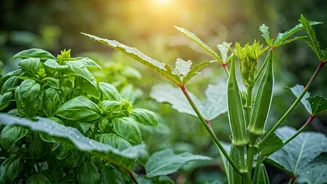
Spring is all about growth. The initial fertilizers we use, or the rich compost we add to the soil, are often high in nitrogen. Nitrogen is the engine of vegetative growth—it builds strong stems and produces big, beautiful leaves. This is fantastic for
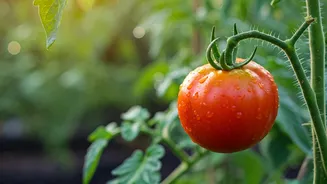
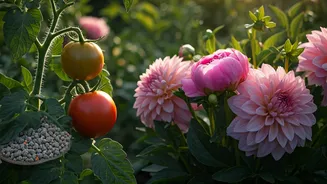
getting plants established. But if you keep feeding your garden a nitrogen-heavy diet, you'll encourage it to stay in this leaf-making phase. Your tomato plants will look like jungle vines but produce few tomatoes. Your zinnias will be leafy bushes with stingy, infrequent blooms. June is the pivot point where plants naturally want to shift from growing to reproducing (i.e., making flowers and fruit). Our job is to give them the right fuel for that transition.
Decoding the Fertilizer Numbers (N-P-K)
Every fertilizer package has three numbers, like 10-10-10 or 5-10-5. This is the N-P-K ratio, and it’s the most important information on the bag.
- **N (Nitrogen):** For leafy, green growth. Great for lawns and early spring planting. This is what you want to reduce in June for most flowering and fruiting plants.
- **P (Phosphorus):** For roots, flowers, and fruit. Phosphorus helps the plant transfer energy to create buds and develop strong root systems. This is the star player for a mid-season feed.
- **K (Potassium):** For overall plant vigor. Potassium helps regulate water, resist disease, and improve the quality of fruit. It’s the essential support system.
In early summer, you want to switch to a fertilizer where the middle number (P) is higher than the first number (N). This is often called a “bloom booster” or “fruit and flower” formula.
What to Feed Your Specific Plants
Not all plants have the same appetite. Tailoring the meal is key to success.
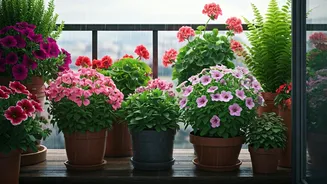
**Annual Flowers (Petunias, Marigolds, Geraniums):** These are workhorses that bloom non-stop. They are heavy feeders and benefit from a weekly or bi-weekly dose of a liquid fertilizer with a high phosphorus number. This consistent feeding keeps the flower factory in production.
**Perennials (Coneflowers, Daylilies, Hostas):** Most established perennials don't need constant feeding. A single application of a slow-release granular fertilizer in late spring or early summer is usually sufficient. Over-fertilizing can lead to weak, floppy stems.
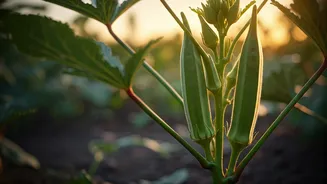
**Vegetables (Tomatoes, Peppers, Squash):** Once these plants start to set flowers, it's time to switch to a low-nitrogen, high-phosphorus and potassium fertilizer. Too much nitrogen now will give you a beautiful, leafy plant with very little to harvest. Feed them every 2-3 weeks according to package directions.
**Roses:** These classic bloomers are notoriously hungry. Feed them with a balanced or bloom-boosting fertilizer after their first wave of flowers fades to encourage a second flush.
Application: Liquid vs. Granular
You have two main choices for delivering food: liquid or granular. Neither is universally better; they just serve different purposes.
**Liquid Fertilizers:** These are mixed with water and applied with a watering can or a hose-end sprayer. They are fast-acting, delivering nutrients directly to the roots for immediate uptake. This makes them ideal for hungry annuals in containers and for giving a quick boost to any plant that looks like it’s struggling. The downside is that they wash out of the soil quickly and require more frequent application.
**Granular Fertilizers:** These are dry pellets you sprinkle on the soil surface around the plant and water in. They are slow-release, breaking down and feeding the plant over several weeks or even months. This “set it and forget it” approach is perfect for perennials, shrubs, and in-ground vegetable gardens where you want steady, long-term nutrition without a lot of fuss.
Avoid These Common Feeding Errors
More is not better. Over-fertilizing can burn plant roots, damage soil life, and create weak, leggy growth that’s susceptible to pests and disease. Always follow the dilution and application rates on the package. Never apply fertilizer to bone-dry soil, as this can scorch the roots. Water your plants thoroughly the day before you plan to feed them. Finally, avoid getting fertilizer directly on the leaves, especially liquid feeds on a hot, sunny day, as this can cause leaf burn. Apply it to the soil around the base of the plant where the roots can access it.