




The Rise of the Pluviophile Traveler
They call themselves pluviophiles—lovers of rain. While mass tourism operates on a calendar of sunshine, these monsoon wanderers seek the opposite. They aren't looking for a checklist of sights to see but an atmosphere to inhabit. This isn't about battling
the elements with a flimsy poncho; it's about surrendering to them. The destination is less a place and more a mood: introspective, quiet, and deeply connected to nature. For them, the rhythmic drumming of rain on a tin roof isn't an inconvenience; it's the entire point. They are trading the frantic energy of peak season for the profound tranquility of the off-season, swapping crowds and noise for fog-draped mornings and the solitude of a world washed clean.
Why a Coffee Estate?
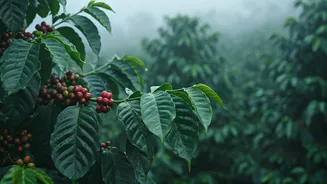
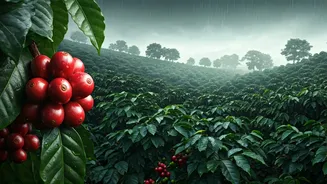
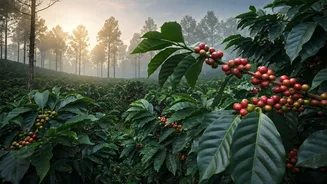
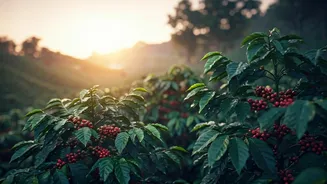
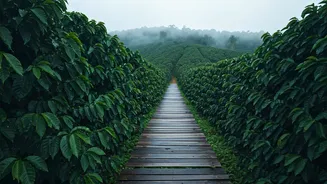
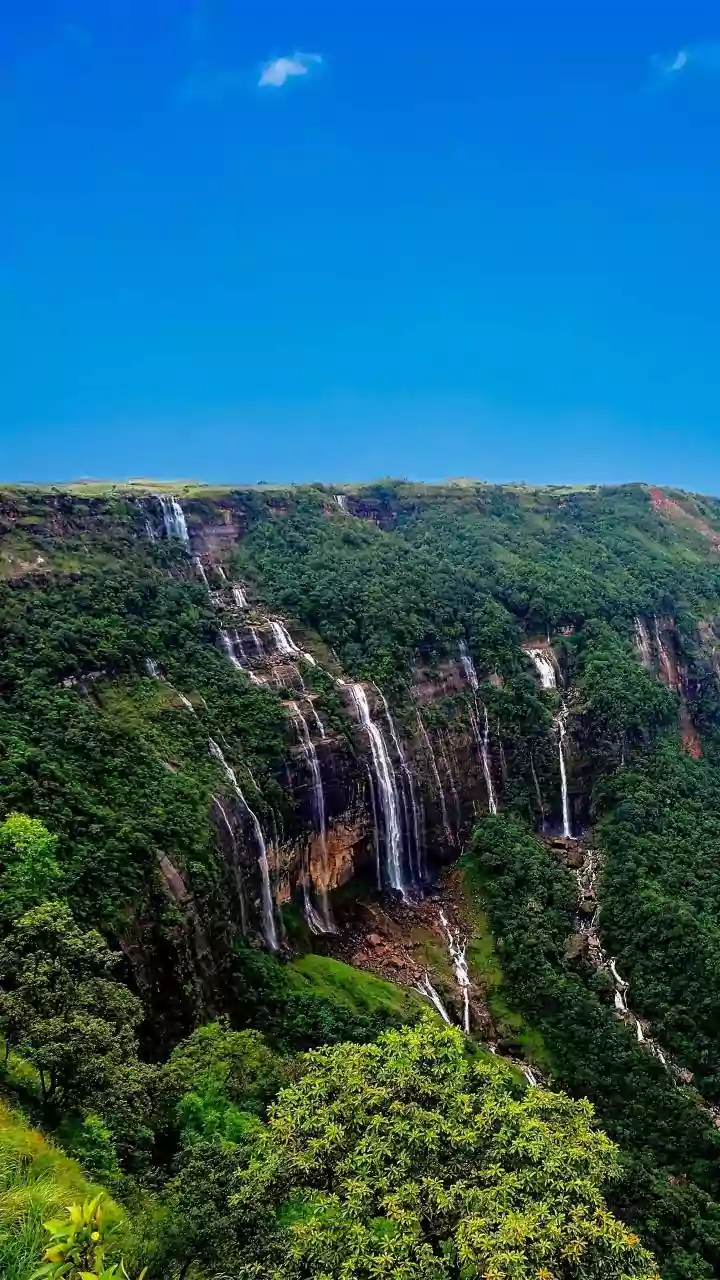
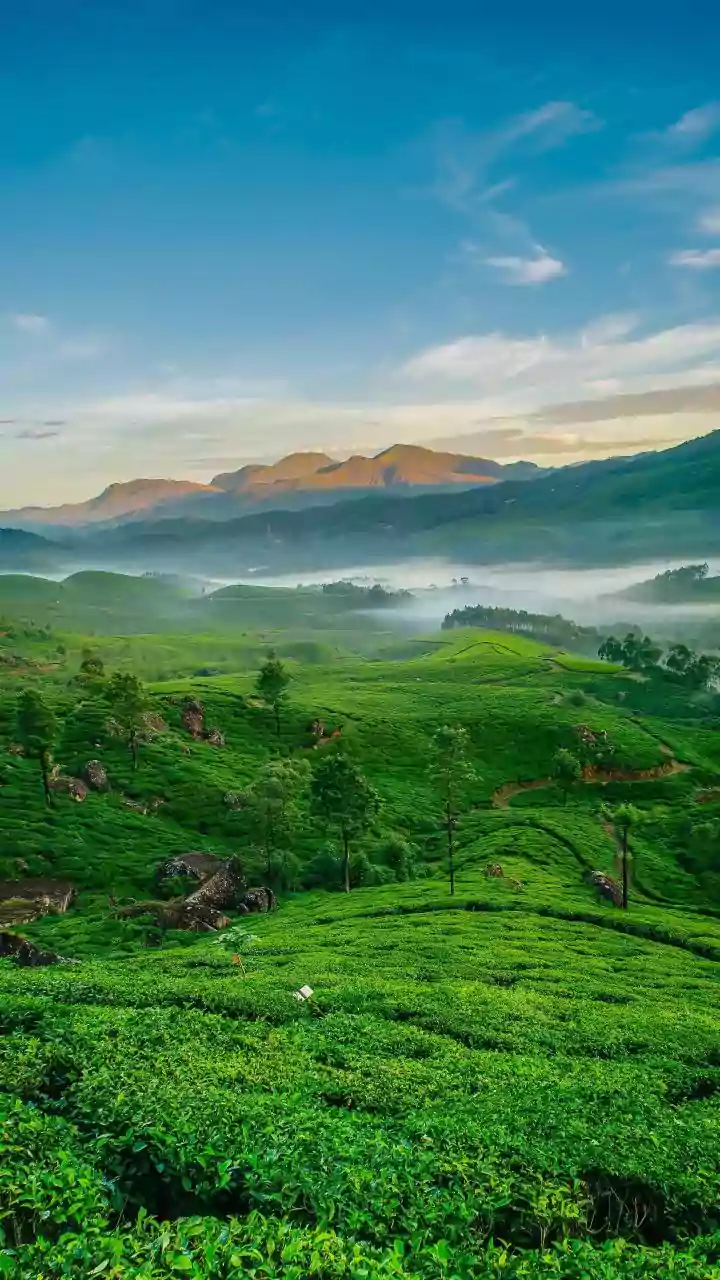
The coffee estate, particularly those nestled in the Western Ghats of Southern India in regions like Coorg and Chikmagalur, has become the quintessential backdrop for this experience. These aren't sterile hotel resorts. Many are historic, family-run plantations with sprawling bungalows and homestays that offer an immersive escape. During the monsoon, from roughly June to September, the landscape transforms. Emerald-green coffee plants glisten with raindrops, waterfalls cascade down hillsides that were dry just weeks before, and a low-hanging mist weaves through the trees, creating an ethereal, almost mystical, environment. The appeal is sensory overload in the best possible way: the earthy smell of wet soil mixed with the faint floral scent of coffee blossoms, the constant symphony of rainfall and chirping insects, and the visual feast of lush, uninterrupted greenery.
A Different Rhythm of Life
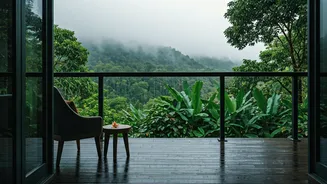
A day on a coffee estate during the monsoon is an exercise in slow living. Mornings begin not with an alarm, but with the muffled sound of rain and the sight of fog swirling outside a window. The agenda is deliberately sparse. Instead of rushing to tourist traps, visitors embark on misty walks through the plantation, learning to distinguish Arabica from Robusta plants. They might spend hours on a veranda, book in one hand, and a cup of freshly brewed estate coffee in the other, watching the downpour. Bird-watching becomes a more intimate affair, as colorful species take shelter in the dense foliage. The rain dictates the pace, encouraging guests to read, write, talk, or simply be still. It’s a forced digital detox and a retreat from the pressure to be constantly doing something. Even the food aligns with the weather, with kitchens serving up hot, spicy local delicacies that are perfect for a cool, rainy day.
An Antidote to Over-Tourism
Choosing a coffee estate in the rainy season is also a quiet rebellion against the excesses of modern travel. While popular destinations buckle under the strain of over-tourism in the summer, these regions offer a more sustainable and authentic alternative. By visiting in the “off” season, travelers help distribute tourism revenue more evenly throughout the year, supporting local communities when they need it most. They are rewarded with a more personal experience. There are no long lines, no crowded viewpoints, and no inflated prices. Instead, they get unobstructed views, genuine interactions with their hosts, and the feeling of having discovered a secret world. It’s a reminder that the best travel experiences aren't always found under the sun, but sometimes, in the heart of a storm.