



The End of the ‘Either/Or’ Era
For decades, American consumers faced a frustrating choice: you could have food that was fast, or you could have food that was healthy. Rarely could you have both. Convenience meant grabbing a bag of chips, a sugary granola bar, or a microwave meal packed
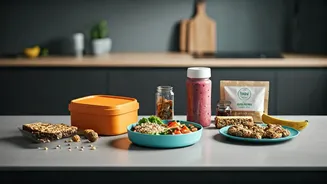
with sodium and preservatives. Healthy meant spending hours planning, shopping, and cooking from scratch. That binary choice is officially dead. The new Holy Grail for food manufacturers isn't just convenience; it's *healthy convenience*. This means creating products that fit into a busy lifestyle without compromising on nutritional value or clean ingredients. Consumers are no longer willing to trade their well-being for a few saved minutes. They now expect their quick-and-easy options to also be gluten-free, low-sugar, high-protein, or plant-based, and free from artificial additives they can't pronounce.
What's Driving the Shift?
Several cultural currents are merging to fuel this massive trend. First, there's the post-pandemic health awakening. After years of focusing intensely on wellness and immunity, many Americans have a heightened awareness of how food impacts their physical and mental state. They're not just counting calories; they're looking for functional ingredients that support everything from gut health to mental clarity. Second, our lives have sped up again. The return to offices, school runs, and packed schedules means the time crunch is real. No one wants to abandon the healthy habits they built, but they need shortcuts. Finally, a new generation of consumers, raised on wellness influencers and food documentaries, is entering its peak spending years. This demographic is digitally savvy, skeptical of big food corporations, and demands transparency. They read labels, research brands online, and share their findings, forcing companies to adapt or become irrelevant.
Beyond the Pre-Cut Vegetables
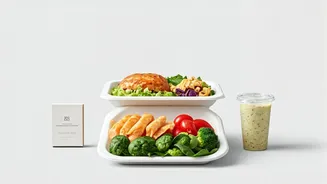
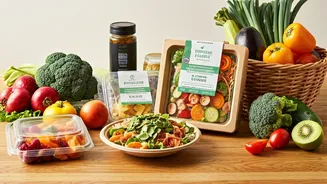
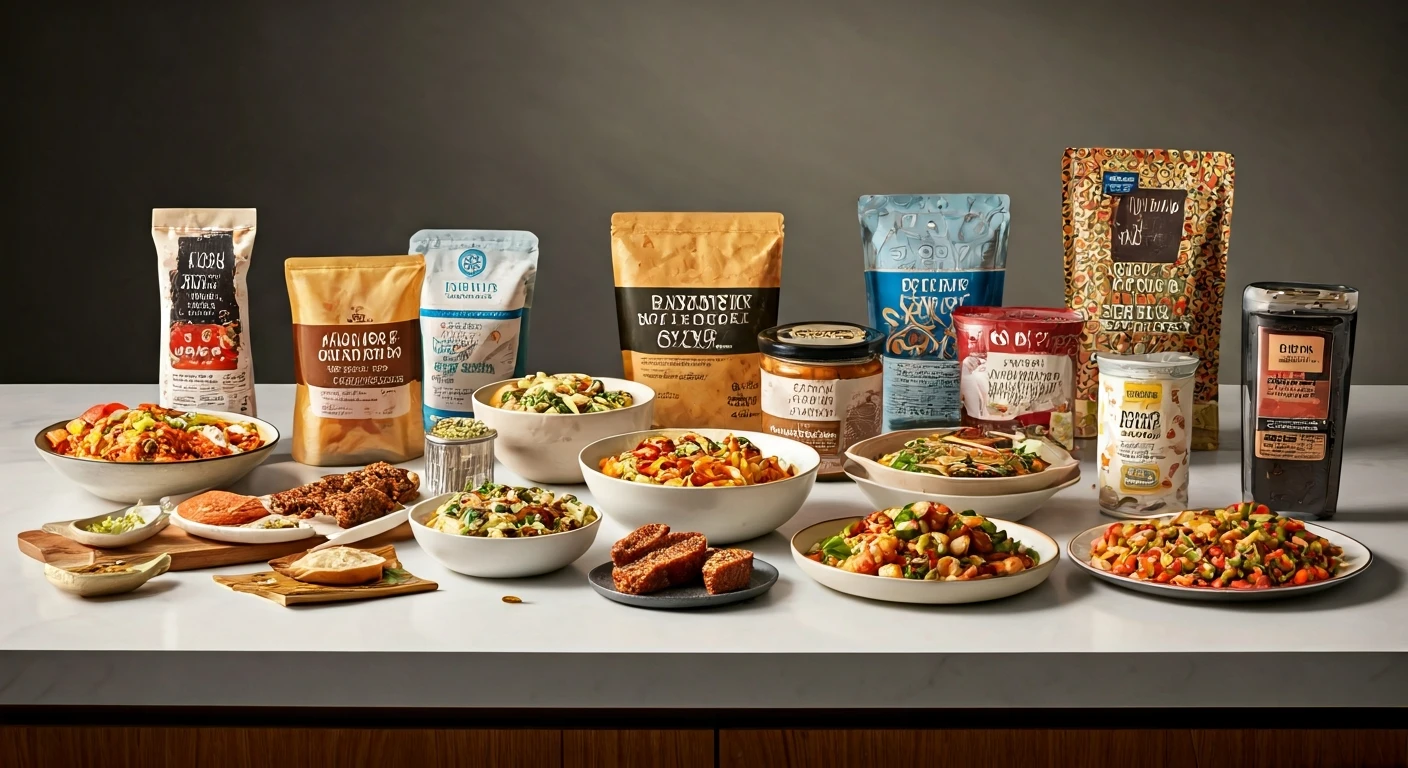
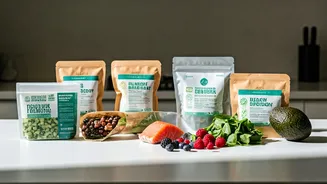
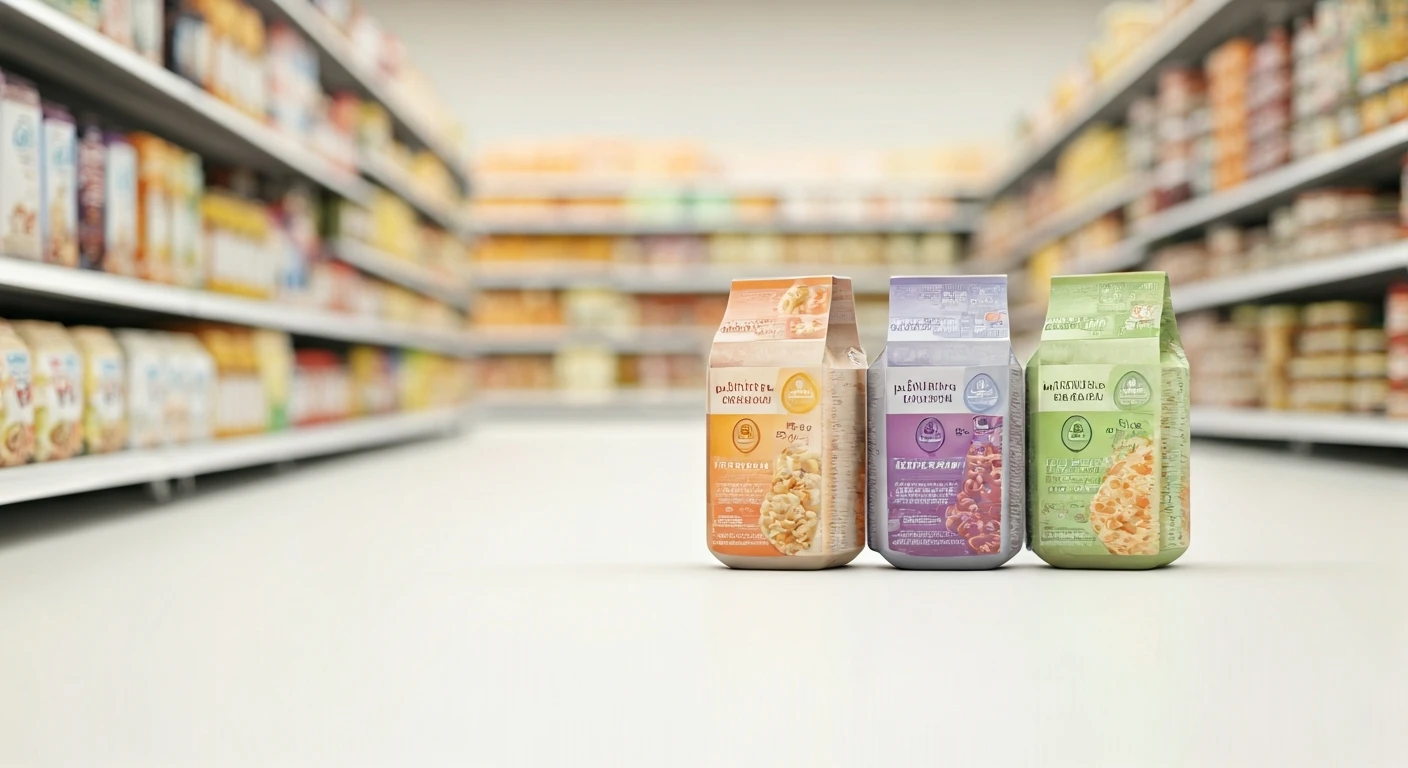
So, what does healthy convenience look like on the shelf? It's far more sophisticated than a simple bag of pre-washed spinach. Look at the explosion of high-quality frozen entrees from brands like Kevin's Natural Foods, which offer paleo and keto-friendly meals with clean-label sauces. Think about the snack aisle, where traditional potato chips now compete with chickpea puffs, mushroom jerky, and protein bars that taste like dessert but pack 20 grams of protein and minimal sugar. It's in the drink cooler, where sugary sodas are being replaced by sparkling waters infused with adaptogens and probiotics. Even the classic pantry staple—jarred sauce—has been reinvented, with brands offering options free of added sugars and seed oils. This movement also includes direct-to-consumer services like Daily Harvest and Tovala, which deliver pre-portioned, nutrient-dense meals that require little to no prep, effectively outsourcing the 'healthy' part of mealtime.
How to Spot Real Health from Hype
With every positive trend comes the inevitable marketing spin. The term "healthy" is not regulated by the FDA, leading to a phenomenon known as "healthwashing," where products are marketed to seem much healthier than they actually are. A brown box and a picture of a farm don't automatically make a product good for you. To navigate this, the power lies in reading the label. First, ignore the claims on the front of the package—the 'good source of fiber' or 'all-natural' buzzwords. Flip it over and look at the first few items in the ingredients list; these make up the bulk of the product. Are they whole foods you recognize, or a list of sugars, refined flours, and chemical compounds? Next, check the nutrition facts panel. Pay close attention to added sugars, sodium content, and fiber. A truly convenient and healthy product will deliver on taste and speed without loading you up on the things you’re trying to avoid.