





An Icon in a Slow, Predictable Fall
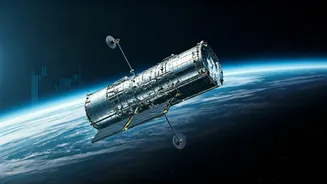
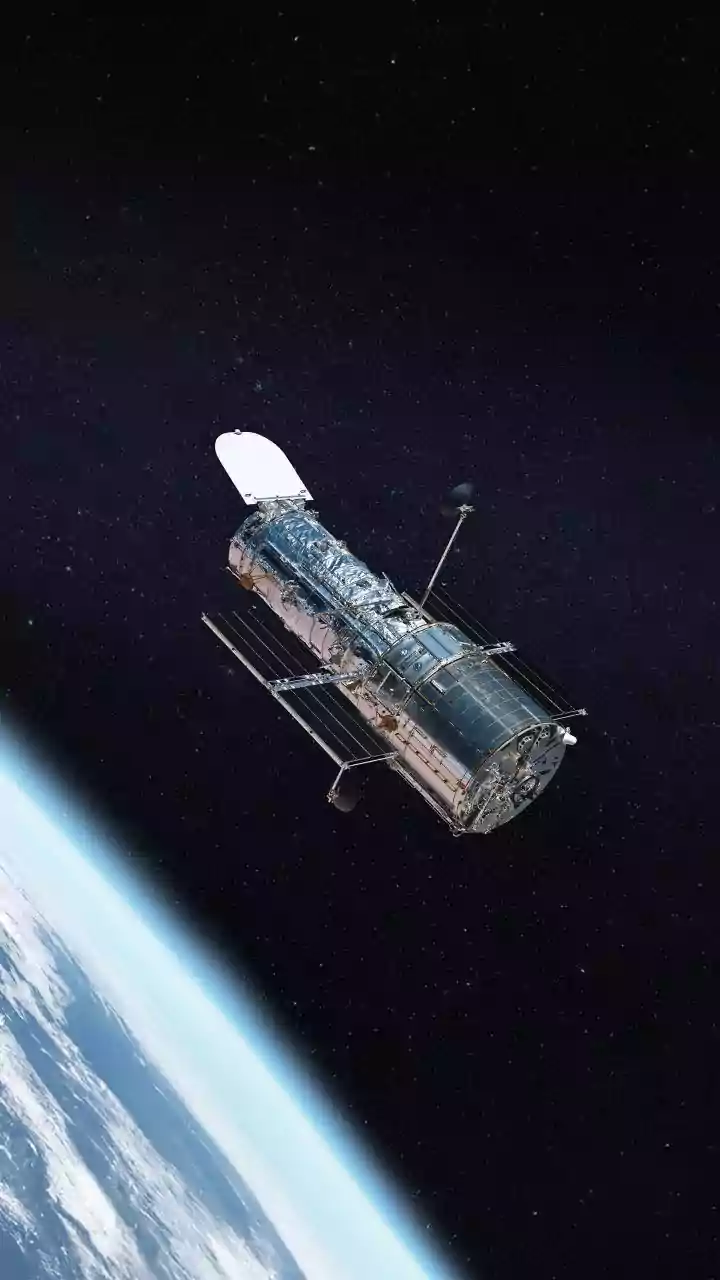
Since its launch in 1990, the Hubble Space Telescope has delivered a scientific and cultural return on investment that is almost impossible to quantify. It has revolutionized our understanding of the universe's age, revealed the existence of supermassive
black holes, and provided the stunning, iconic images that have inspired a generation. Despite its age, Hubble remains a scientific powerhouse, producing thousands of research papers a year. However, it faces a slow, inevitable death. With every orbit, atmospheric drag pulls the telescope slightly lower. It currently orbits about 320 miles above Earth, but without intervention, it is projected to re-enter the atmosphere and burn up sometime in the mid-to-late 2030s. The hardware itself is mostly healthy, thanks to multiple servicing missions by Space Shuttle astronauts, but its orbital altitude is its ticking clock.
The Billion-Dollar Budget Squeeze
The problem isn't that NASA doesn't want to save Hubble; it's that the agency is facing a severe budget crunch. Operating Hubble costs nearly $100 million per year. While that’s a fraction of NASA's total budget, every dollar is now under intense scrutiny due to massive overruns in other flagship programs. The primary culprit is the Mars Sample Return (MSR) mission, an ambitious project to bring Martian rocks back to Earth. Its estimated cost has ballooned from around $4 billion to as much as $11 billion, forcing NASA to make painful cuts across its science portfolio. In this environment, funding a mission to extend the life of a 34-year-old telescope becomes a difficult proposition, especially when that money could be allocated to developing the next generation of space observatories, like the recently launched James Webb Space Telescope or the upcoming Nancy Grace Roman Space Telescope.
The Commercial Rescue Mission Option
There is a viable plan to save Hubble. The concept involves sending a robotic or crewed commercial spacecraft to physically dock with the telescope and “reboost” it into a higher, more stable orbit. This would add another 10 to 15 years to its operational life. SpaceX, as part of its privately funded Polaris Program with billionaire Jared Isaacman, has already studied the feasibility of such a mission using its Dragon capsule. The company offered to conduct this reboost at no cost to the U.S. taxpayer, a seemingly perfect solution. However, NASA has proceeded with caution. The agency is understandably protective of its priceless asset and has solicited proposals from multiple commercial partners to ensure the safest and most effective plan. This formal process, while responsible, takes time and resources, and it moves the potential rescue from a 'free' offer to a more complex, competitive procurement that NASA would still need to manage and potentially fund in part.
The Heartbreaking Calculus of Discovery
This is the core of NASA's dilemma. Do you invest in saving a beloved, productive, but aging icon, or do you reluctantly let it go to ensure you can afford the trailblazing missions of tomorrow? Proponents of saving Hubble argue that its scientific output is still unique and that losing it would leave a gap in our ability to observe the universe in ultraviolet light—a capability Webb does not possess. They also point to the immense public and cultural value of the Hubble brand. On the other hand, some within the scientific community argue that every dollar spent on operating a legacy mission is a dollar not spent on new discoveries. Letting Hubble's mission end naturally, they contend, is the responsible, if painful, choice in a flat-budget reality. It’s a heartbreaking calculus that pits legacy against future, forcing administrators to decide which frontier of knowledge is more valuable.