


The Great Escape from Heat and Haze
The most immediate and profound upgrade is the temperature. As you climb in elevation, the air reliably cools. This isn't just a feeling; it's a meteorological principle called the environmental lapse rate, where air temperature decreases by about 3.5
degrees Fahrenheit for every 1,000 feet you ascend. While your friends in the city are sweating through another 95-degree day with soupy humidity that clings to everything, you could be enjoying a perfect 75-degree afternoon. The evenings are even better. Instead of retreating indoors to blast the air conditioning, you’re reaching for a sweatshirt and sitting on a porch, listening to the crickets. The suffocating blanket of summer humidity is replaced by a crispness that feels cleansing, allowing your body to cool itself naturally without being drenched in sweat.
A Breath of (Actually) Fresh Air
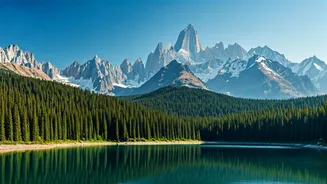
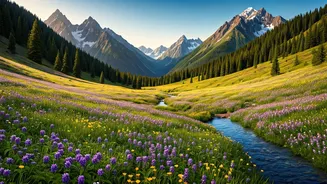
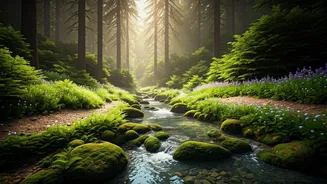
Beyond the cool temperatures, the very quality of mountain air is different. At higher elevations, you’re often above the haze and smog that can settle over urban and suburban valleys. This means fewer industrial pollutants and lower concentrations of ground-level ozone, a primary component of smog that can irritate the respiratory system. For allergy sufferers, mountains can be a true sanctuary. Many common allergens, like ragweed and certain types of mold, don’t thrive at higher altitudes. The air doesn't just feel cleaner; it often is. And then there's the smell. Instead of exhaust fumes and hot garbage, the air carries the scent of pine needles, damp earth after a brief afternoon shower, and wildflowers. It’s aromatherapy provided by nature, a constant, subtle reminder that you are somewhere wild and alive.
Your Brain on Altitude
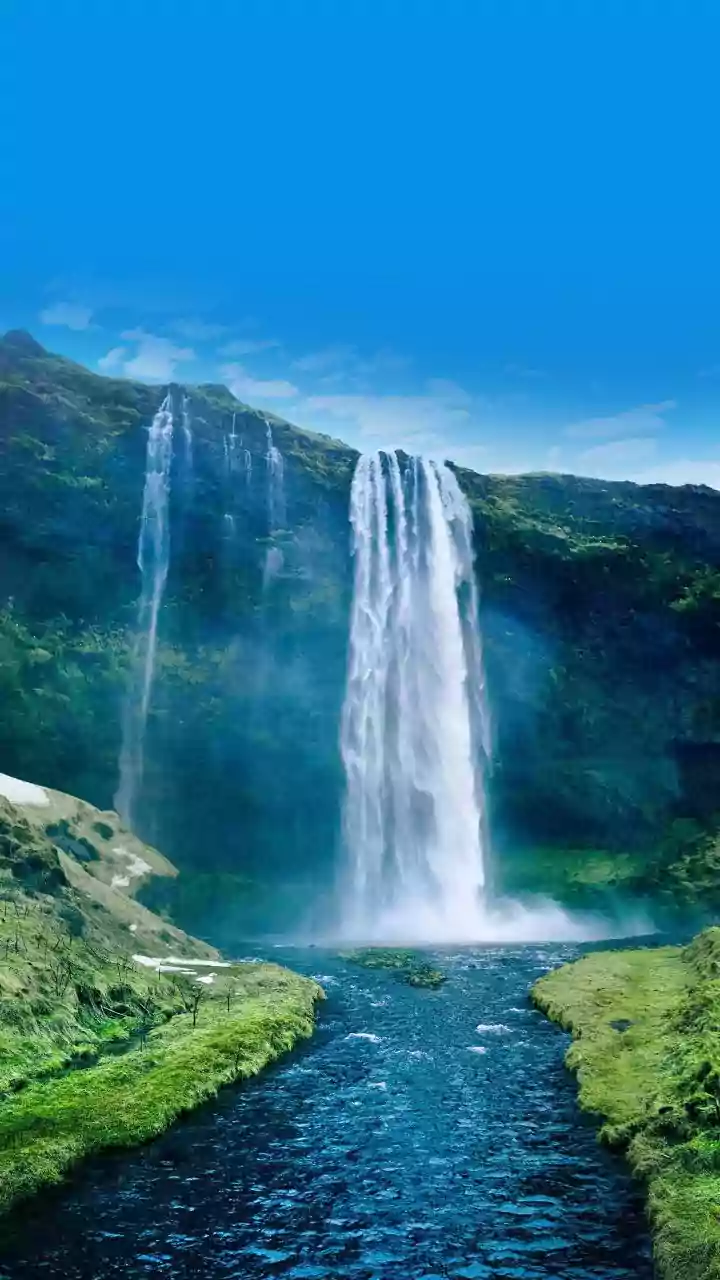
The upgrade isn't just physical; it's profoundly psychological. When you're standing on a mountain overlook, the world expands. This sense of perspective, seeing the landscape stretch out below, can have a powerful effect on the mind, making our day-to-day worries seem smaller and more manageable. Researchers call the restorative power of natural environments “soft fascination,” where the brain can relax and wander without the harsh, directed focus required by city life. Some wellness theories even point to the higher concentration of negative ions in mountain air, particularly near forests and waterfalls. While the science on their mood-boosting effects is debated, the feeling of well-being is undeniable. The quiet of the mountains, punctuated only by wind in the trees or a distant bird call, calms the nervous system in a way that noise-canceling headphones simply can't replicate.
An Upgrade to Your Entire Summer
Ultimately, mountain air is the best summer upgrade because it enables a better summer lifestyle. Activities that are miserable in the lowland heat become joyful. A morning hike, an afternoon of kayaking on a cool alpine lake, or even just reading a book on a shady deck are all made possible by the comfortable climate. You're more inclined to move your body, to explore, and to be present in the moment. It transforms summer from a season of endurance—a time to be survived by moving from one air-conditioned box to another—into a season of genuine recreation and rejuvenation. It’s an investment in better sleep, clearer thoughts, and more memorable days.