




Coorg: The Scotland of India
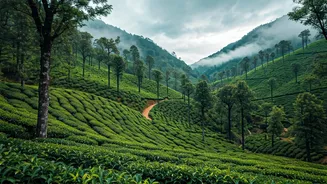
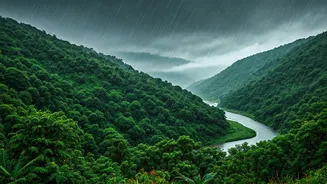
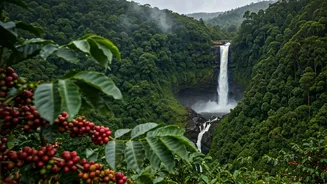
Often the first name that comes to mind for a monsoon getaway, Coorg (or Kodagu) lives up to its hype. During the rains, from June to September, its rolling hills and vast coffee plantations are shrouded in a cinematic mist. The landscape, which earns
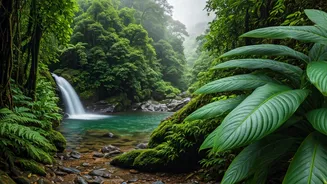
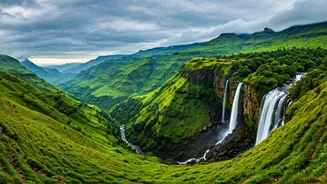
it the nickname “The Scotland of India,” becomes intensely vibrant. Waterfalls like Abbey Falls and Iruppu Falls, which can be modest trickles in the dry season, transform into roaring, powerful cascades that are a spectacle in themselves. But the real magic lies in the stay. For a fraction of the cost of a boutique hotel in the U.S., you can book a room in a family-run homestay. These aren't just budget lodgings; they are your ticket to local culture. Your hosts will often serve you authentic Kodava cuisine—think pandi curry (pork) and akki rotti (rice flatbreads)—made with ingredients from their own gardens. You can spend your days taking short walks through misty coffee estates, listening to the rhythm of the rain, and sipping on some of the world's best coffee right at its source.
Chikmagalur: The Coffee Heartland Trek
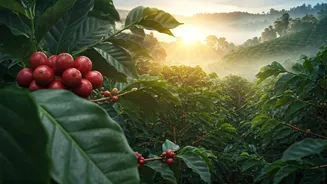
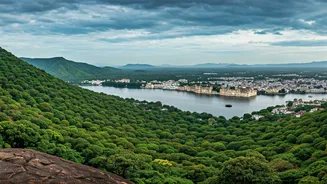
If your idea of magic involves a bit more adventure, Chikmagalur is your destination. This is the birthplace of coffee in India, and its terrain is more rugged and mountainous than Coorg's. The monsoon season is the prime time for trekkers who aren't afraid of a little mud. The trail to Mullayanagiri, Karnataka’s highest peak, becomes a thrilling challenge. As you ascend, you’ll be walking literally through the clouds, with visibility sometimes dropping to just a few feet, creating an ethereal, otherworldly experience. Beyond the high peaks, there are gentler trails that lead to hidden waterfalls like Jhari or Hebbe Falls. The beauty of Chikmagalur is its accessibility for all fitness levels. You can drive up to many viewpoints, park your car, and take short walks into the mist-laden ‘shola’ grasslands. Accommodation here is also dominated by homestays and budget-friendly guesthouses, making it easy to enjoy the stunning scenery, incredible filter coffee, and delicious Malnad food without worrying about your wallet.
Agumbe: The Rainforest Kingdom
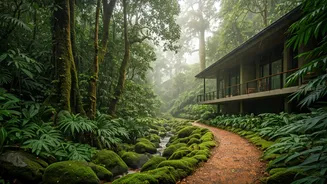
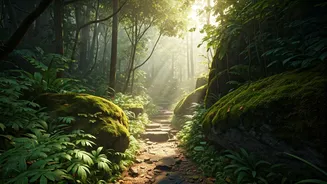
For the true rain lover, there is Agumbe. Known as the “Cherrapunji of the South,” this small village in the Western Ghats receives some of the heaviest rainfall in the country. It’s not a place for casual tourists seeking manicured viewpoints; it's a deep dive into a raw, wild rainforest ecosystem. The area is a protected reserve, teeming with biodiversity, including the iconic King Cobra (don't worry, encounters are rare and guides are essential). This is the setting that inspired the fictional town of Malgudi in the famous stories of R.K. Narayan. During the monsoon, Agumbe is less about seeing specific sights and more about feeling the overwhelming presence of nature. Trekking routes here are more intense and often require a local guide, taking you through dense canopy to pristine streams and falls. The reward is an unparalleled sense of solitude and connection to the natural world. Budget travelers can stay in very basic homestays that offer an authentic, no-frills village experience.
Tips for a Monsoon Budget Trip
Experiencing this magic affordably comes down to a few key choices. First, embrace public transport. Karnataka has an excellent network of government-run buses (KSRTC) that are cheap, reliable, and connect even remote towns. Overnight trains are another fantastic, cost-effective way to cover long distances. Second, eat local. Skip the multi-cuisine restaurants and head to small eateries called 'darshinis' or 'hotels' for delicious, hygienic, and incredibly inexpensive meals. A full plate of food can often cost just a couple of dollars. Finally, prioritize homestays over hotels. They not only save you money but also provide a richer, more immersive cultural experience, complete with home-cooked meals and local insights you'd never get otherwise.