




Shift Your Mindset from Chore to Tour
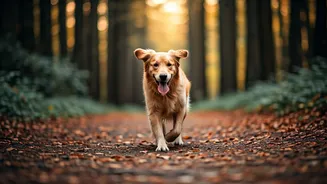
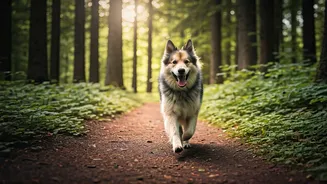
The first step is a mental one. Most pet owners view the daily walk as a necessity—a quick loop around the block to handle business. But treating it as a 'travel plan' requires a change in perspective. This isn't a chore; it's a micro-expedition. You
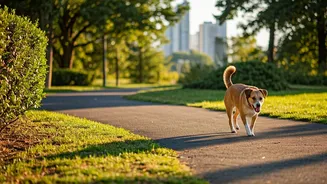
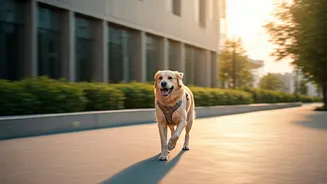
are not just a dog walker; you are a tour guide, and your pet is your fellow explorer. The goal is no longer to simply tire your dog out, but to discover something new together. This mindset transforms a familiar sidewalk into a potential trail, a local park into a national park for the day, and a bustling city square into a fascinating foreign market full of new sights, sounds, and, most importantly for your companion, smells.
Scout Your Urban Destination
A proper trip needs a destination. Instead of the usual route, pull up a map of your city. Look for neighborhoods you rarely visit, historic districts with interesting architecture, or sprawling parks with winding trails. Your criteria for a good destination have now changed. Is there a pet-friendly cafe with a patio at the end of the route? Are there public water fountains? Does the area have wide sidewalks or pedestrian-only zones that make for relaxed walking? Researching a 'paws-on-the-ground' itinerary can be just as fun as planning a traditional vacation. Look for green spaces, public art installations, or waterfront promenades that offer sensory enrichment for both you and your furry companion.
Pack the Essential Day Bag
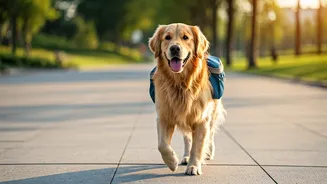
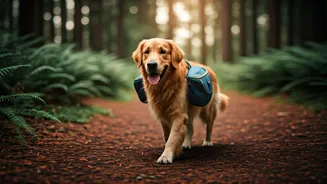
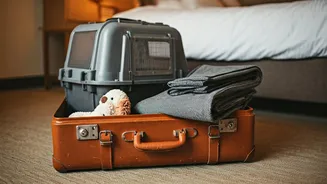
Every good traveler packs a bag. For an urban trek, you’ll need more than a couple of waste bags. Think of it as a day-hike kit, tailored for the city. Your checklist should include: a collapsible water bowl and a full water bottle (for both of you), high-value treats to reward good behavior around distractions, a durable chew toy for a rest stop in the park, pet-safe wipes for dirty paws, and of course, plenty of poop bags. For you, pack a snack, sunglasses, and a fully charged phone to capture the memories and navigate your route. Being well-prepared eliminates stress and allows you to fully immerse yourselves in the experience.
Navigate the City Like a Pro
Urban environments present unique challenges. Hot asphalt can burn sensitive paw pads in the summer, so plan walks for cooler mornings or evenings, or stick to grassy areas. Crowded sidewalks can be overwhelming for anxious pets; be ready to step aside or choose less congested side streets. If you're using public transportation, check the rules in advance—many systems have specific carrier requirements or hours for pet travel. The key is to be an advocate for your pet's comfort and safety. Read their body language. A tucked tail or frantic panting is a clear sign that it’s time for a break in a quiet spot or to head home. The best adventures are the ones where everyone feels secure.
Embrace the 'Sniffari'
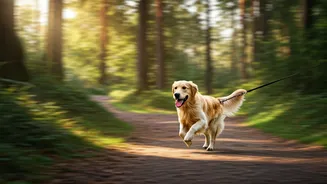
Finally, the most important rule of pet-centric travel is to surrender some control. While you may have a destination in mind, the journey is dictated by your pet's nose. This is what dog behaviorists sometimes call a 'sniffari.' Allowing your dog to spend a few extra minutes investigating a fascinating smell on a lamppost isn't a delay; it's the whole point. You’re seeing the world through their senses. This practice of patient observation forces you to slow down, to notice the small details of your environment you’d otherwise rush past. You might discover a hidden community garden, a quirky piece of street art, or simply enjoy a moment of shared, quiet discovery. It's a lesson in mindfulness, brought to you by your dog.