





The Cool Confidence of Mint
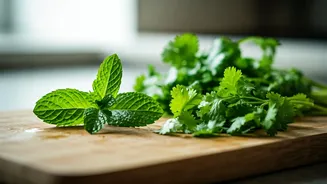
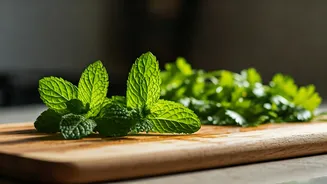
Often relegated to mojitos, mint tea, or a requisite garnish on a dessert plate, fresh mint is one of the most underutilized herbs in the American home kitchen. Its bright, clean flavor is driven by menthol, which provides a cooling sensation that can cut
through richness and add a surprising lift to savory dishes. While spearmint is the most common culinary variety, with its sweet, gentle character, don't shy away from peppermint if you find it; its higher menthol content offers a sharper, more intense punch. Think beyond the obvious: a handful of chopped mint can bring a bland lentil soup to life, add a refreshing counterpoint to a spicy stir-fry, or turn a simple fruit salad into something truly special.
Coriander: The Bright, Divisive Powerhouse
Let’s clear this up first: for most Americans, the leafy green herb we’re talking about is called cilantro. The seeds of the same plant are called coriander. However, in many other parts of the world, including the U.K., both the leaf and the seed are called coriander. So when we say coriander here, we mean the fresh, leafy herb you know as cilantro. Now, about that flavor. For most people, cilantro offers a bright, citrusy, and almost peppery note that is essential to Mexican, Southeast Asian, and Indian cuisines. For a small subset of the population, a specific gene makes it taste like soap. If you’re in the latter camp, this herb isn’t for you. But for everyone else, cilantro is a non-negotiable flavor-booster, perfect for livening up salsas, guacamole, curries, and tacos.
Unexpected Partners in Flavor
While fantastic on their own, mint and cilantro create magic when paired together. They are the flavor base of many Vietnamese dishes for a reason. The cool, clean notes of mint beautifully balance the assertive, citrusy punch of the cilantro. One doesn't overpower the other; they harmonize. Cilantro brings the bright, high notes, while mint provides a cool, mellow baseline. Together, they create a complex, layered freshness that is much more interesting than either herb alone. This combination is a secret weapon for adding instant complexity and a professional touch to your home cooking. Think of them as the dynamic duo of freshness, ready to rescue any dish from blandness.
Simple Ways to Use Them Now
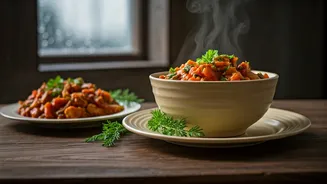
You don't need a complicated recipe to start enjoying this pairing. Finely chop a generous amount of both herbs and sprinkle them over grilled chicken, fish, or roasted vegetables right before serving. The residual heat will release their aromas. Whisk them into plain Greek yogurt with a squeeze of lime juice for an instant, all-purpose sauce for falafel, kebabs, or spicy foods. Toss whole leaves into your salads for surprising bursts of flavor that are far more exciting than lettuce alone. You can also blitz them in a food processor with olive oil, garlic, and a pinch of salt to create a vibrant green drizzle for soups, eggs, or avocado toast. Don't be shy with the quantities—these are flavor-builders, not just garnishes.
Buying and Storing for Lasting Freshness
The biggest obstacle to using fresh herbs is their notoriously short shelf life. To set yourself up for success, buy bunches that look vibrant and perky, with no yellowing or wilting leaves. Once home, don't just toss them in the crisper drawer. The best method for both mint and cilantro is to treat them like a bouquet of flowers. Trim the stems, remove any wilted bits, and place them upright in a jar with an inch or so of water. Cover the leaves loosely with a plastic bag (the one from the produce department works great) and store them in the refrigerator. Change the water every couple of days, and your herbs can last for over a week, ready to brighten your meals at a moment's notice.