

From Guilt Trips to Gastronomy
Remember the old playbook for eco-friendly eating? It was heavy on finger-wagging and light on inspiration. The message, whether explicit or implied, was that your burger was melting an ice cap and your personal enjoyment was secondary to your environmental
duty. This approach cast a long shadow, making sustainable eating feel like a chore—a joyless penance for the sins of a carbon-heavy world. The poster child for this era was often the dry, crumbly veggie burger of yesteryear, a product that seemed to apologize for its very existence. Food choices were framed as a binary: you were either a virtuous vegan subsisting on kale and righteousness, or you were part of the problem. This created a culture of shame that, for many people, was a total turn-off. Instead of inviting people in, it built a wall between the “enlightened” and everyone else, making dietary change feel like joining an exclusive, and frankly, judgmental, club.
The New Playbook: Abundance Over Abstinence
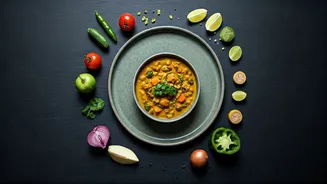
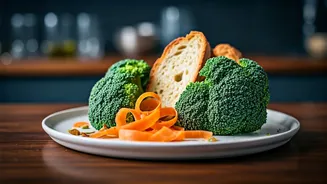
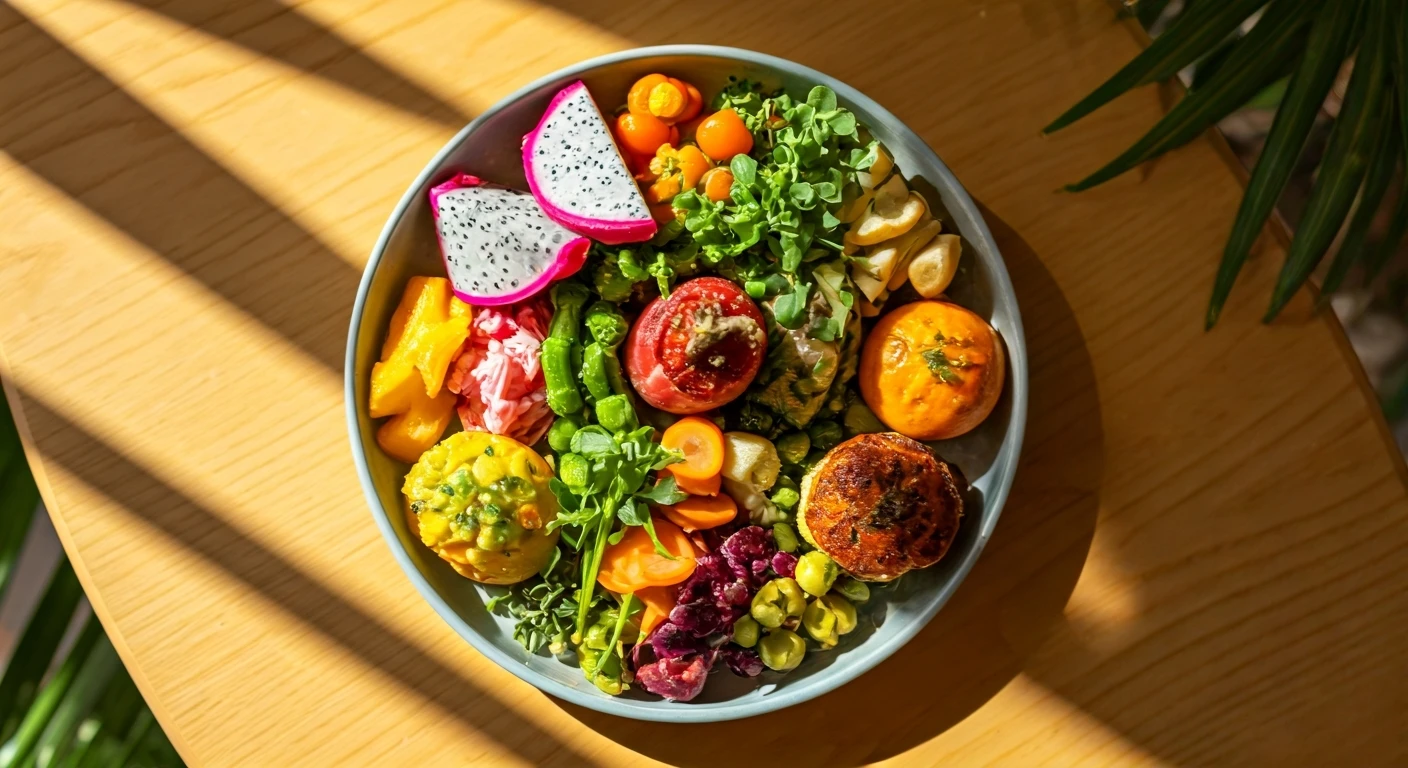
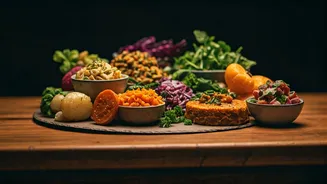
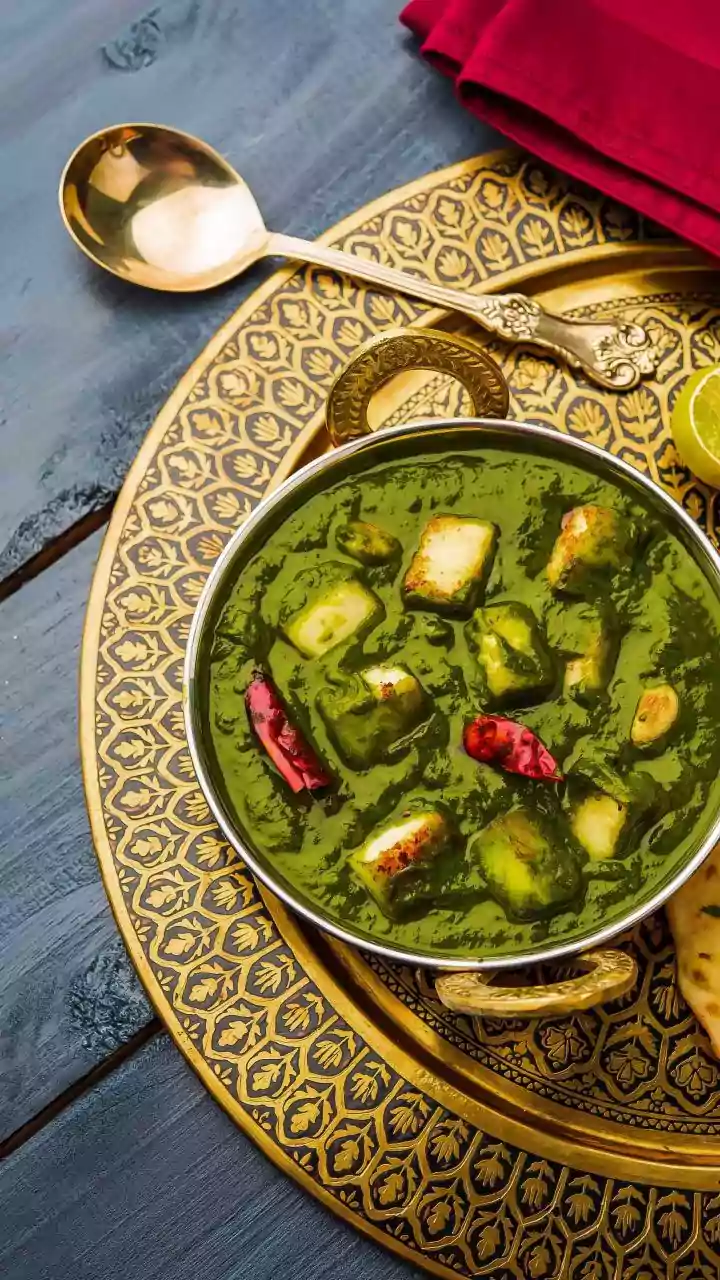
The shift we're seeing now is a pivot from a mindset of scarcity to one of abundance. The new evangelists of sustainable eating aren't lecturing you about what to give up; they’re excitedly showing you what you can add. The conversation is no longer dominated by what you *can't* have, but by the incredible flavors, textures, and culinary possibilities that a plant-forward diet can offer. Chefs at top restaurants are leading the charge, treating vegetables not as a sad side dish but as the complex, worthy center of the plate. They're unlocking umami in mushrooms, charring cabbage into a steak-like centerpiece, and proving that a meal without meat can be more, not less, satisfying. This culinary credibility has trickled down, inspiring home cooks and food creators to see plant-based ingredients as a vibrant palette to paint with, not a set of restrictions to follow. The goal has shifted from “eating less meat” to “discovering more plants,” a far more appealing proposition.
Innovation Is Making It Easy (and Delicious)
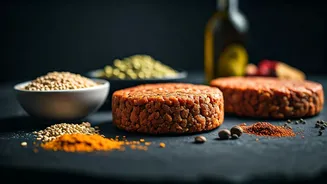
This cultural shift couldn’t have happened without a parallel boom in food innovation. It’s one thing to be told a plant-based diet is delicious, and another to have easy, accessible options that actually deliver. The new generation of plant-based products isn't just targeting vegans; it's designed for meat-eaters. Brands like Impossible Foods and Beyond Meat didn’t succeed by creating a better veggie burger for vegetarians; they succeeded by creating a burger that could compete with beef on its own turf—juiciness, flavor, and sizzle. This trend extends far beyond burgers. Oat milk froths perfectly for a latte. Dairy-free cheese now melts and stretches on a pizza. Supermarket aisles are filled with everything from plant-based shrimp to surprisingly good vegan ice cream. When the alternatives are this good and this convenient, making a sustainable choice no longer feels like a sacrifice. It just feels like choosing a different, equally tasty option.
Celebrating the 'Flexitarian'
Perhaps the most significant change is the move away from rigid labels and toward a more flexible, inclusive approach. The rise of the “flexitarian”—someone who actively reduces their meat consumption without eliminating it entirely—has been key. This identity validates incremental change and dismantles the all-or-nothing mentality that previously alienated so many. Suddenly, “Meatless Mondays” isn’t a token gesture but a meaningful step. Choosing the oat milk latte isn't a betrayal of your dairy-loving past but a simple, modern choice. This welcoming, judgment-free attitude encourages participation by meeting people where they are. It recognizes that for widespread change to occur, it must be accessible, aspirational, and forgiving. Perfection is no longer the enemy of the good; instead, progress in any form is celebrated as a win for both your taste buds and the planet.