




The Sun-Drenched Dream Becomes a Nightmare
Remember the fantasy? A long, lazy August lunch in a Tuscan village, a sun-drenched stroll through the stone streets of Athens, or baking on a crowded beach on the French Riviera. For generations of American travelers, this was the pinnacle of European
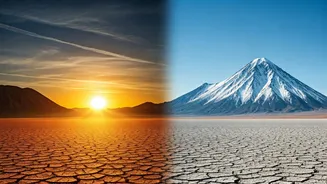
travel—a postcard life soaked in vitamin D. But in recent years, that dream has begun to feel more like a fever dream. Record-breaking heatwaves across Southern Europe have turned idyllic cobblestone streets into skillets and afternoon sightseeing into a high-risk endurance sport. Tourists are fainting at the Colosseum, wildfires are threatening resort towns, and the siesta is no longer a charming cultural quirk but a mandatory survival tactic. The glamorous, sun-soaked holiday has been replaced by a desperate, sweaty search for air conditioning and a sliver of shade. The romance is officially over.
Rise of the ‘Coolcation’
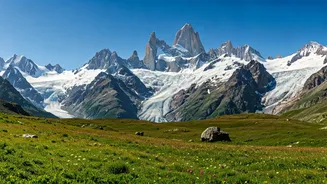
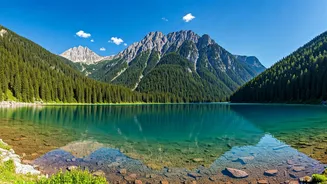
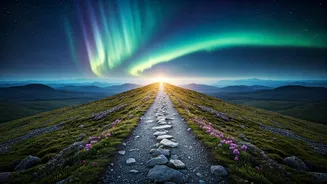
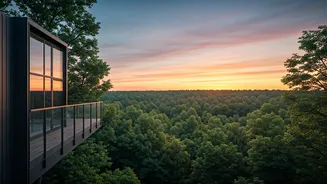
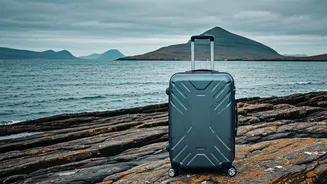
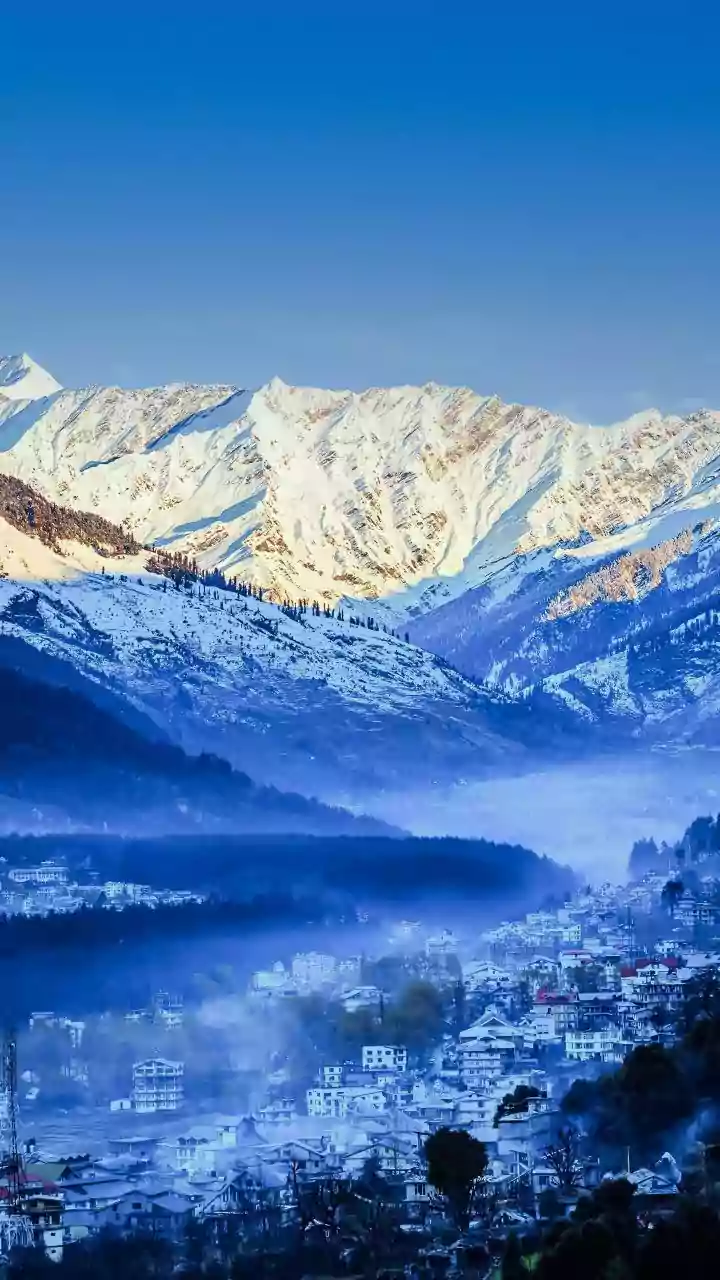
Enter the “coolcation.” It’s a term gaining traction in the travel industry, but the concept is simple: deliberately choosing a vacation destination for its mild or even chilly climate, especially during the peak summer months. Instead of Italy and Greece, travelers are suddenly flocking to Norway, Scotland, Finland, and Ireland. Instead of the Caribbean, they’re exploring the Pacific Northwest, Alaska, and Canada’s Maritime provinces. This isn’t just about avoiding discomfort. It’s an active pursuit of a different kind of experience. The new travel porn isn’t a glistening infinity pool; it’s a misty fjord, a dramatic, windswept coastline, or a lush green forest where you might actually need a jacket in July. Travel searches for cities like Copenhagen, Helsinki, and Edinburgh have spiked, while interest in traditionally hot destinations has begun to cool.
The Subtle Art of the Flex
This is where the “flex” comes in. Posting a photo of yourself in a cozy fleece with a backdrop of dramatic Scottish Highlands or a serene Icelandic glacier is a new kind of status symbol. It says several things at once. First, it signals that you’re in-the-know. You’re not a clueless tourist following the sun-seeking herd into a 110-degree heat trap. You’re a savvy traveler who understands the new global realities. Second, it suggests a preference for substance over superficiality. A cool-weather trip often implies activities like hiking, kayaking, and exploring natural wonders, rather than simply lying on a beach. It frames you as an active, engaged person, not a passive consumer of sun. It’s the travel equivalent of preferring an indie film to a summer blockbuster—a quieter, more considered form of good taste. In a world of over-tourism and climate anxiety, a successful trip to a cool, uncrowded place demonstrates foresight and adaptability.
More Than Just a Temperature Check
This shift is about more than just the weather; it’s a reflection of changing values. The coolcation trend is intertwined with a broader desire for travel that feels more authentic, sustainable, and less congested. Travelers are exhausted by the peak-season crush in places like Rome and Barcelona. They’re seeking tranquility, open spaces, and a connection to nature that feels increasingly scarce. Cold-water swimming, a cornerstone of Scandinavian culture, is becoming a wellness trend. The Nordic concept of *friluftsliv*—the open-air life—resonates with a generation looking to disconnect from screens and reconnect with the wild. Cool weather destinations often offer exactly that: a chance to breathe clean, crisp air and feel small against a vast, majestic landscape. It’s a reset for the body and the soul, a direct antidote to the noise and heat of modern life.