




From Crunchy to Chic
For decades, eco-tourism occupied a noble but niche corner of the travel world. It was the domain of the deeply committed: travelers willing to trade modern conveniences for an authentic, low-impact experience. Think basic jungle lodges, shared-bathroom
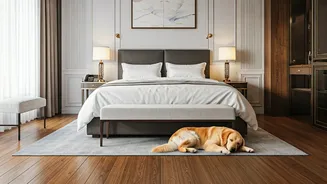
hostels, and a general ethos that equated sustainability with sacrifice. While the intentions were pure, the audience was limited. That’s all changing. The new iteration of nature-first travel isn’t about sacrifice; it's about integration. It asks a simple but revolutionary question: What if you could have the soul-stirring beauty of the outdoors and a perfectly comfortable bed, a chef-prepared meal, and impeccable design, all in one trip?
The New Definition of 'Outdoorsy'
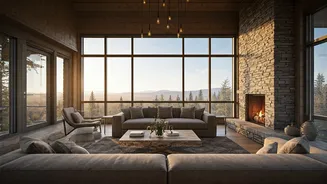
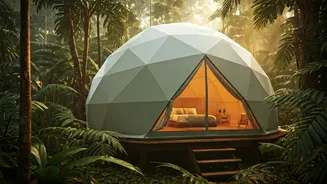
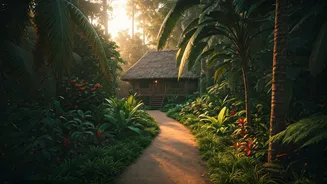
This polished approach goes far beyond “glamping,” a term that now feels almost quaint. We’re not just talking about a fancy tent with a rug. This is a holistic philosophy that infuses high-end hospitality with a deep respect for the environment. Think architect-designed cabins with floor-to-ceiling windows that erase the boundary between inside and out. Imagine resorts built with reclaimed materials and powered by solar, where the spa menu features treatments using local botanicals and the restaurant’s produce is sourced from an on-site regenerative farm. It’s a movement driven by biophilic design—the idea that humans have an innate need to connect with nature. Hotels are responding with living walls, natural material palettes, and layouts that guide your gaze toward a stunning vista rather than a television screen.
Why the Shift Is Happening Now
Several forces are fueling this evolution. The pandemic supercharged our collective desire for wide-open spaces and mental clarity, but many who fled cities weren’t looking to become survivalists. They wanted nature as a restorative amenity, not an adversary. Simultaneously, a generation of travelers raised on Instagram-worthy aesthetics and conscious consumerism came of age. They expect brands—including hotels and tour operators—to have a strong environmental stance, but they also demand a high level of quality and design. For them, a sustainable getaway that looks and feels beautiful isn’t an indulgence; it’s the standard. The luxury market has taken note, realizing that the new pinnacle of status isn't opulence for its own sake, but exclusive access to pristine nature, paired with world-class service.
What It Looks Like on the Ground
This trend is materializing in diverse forms across the U.S. You see it in the rise of brands like AutoCamp, which places sleek, custom Airstreams in scenic locations, offering a turnkey version of the classic American road trip with boutique hotel amenities. It’s in the philosophy of 1 Hotels, which has built a luxury empire around sustainability, from its reclaimed wood key cards to its in-room water filtration systems. It’s also evident in the proliferation of high-end wilderness lodges near national parks, offering guided excursions by day and gourmet tasting menus by night. These experiences aren't about sealing you off from the environment; they're about curating a more comfortable, considered, and ultimately more accessible way to engage with it.