








From State Control to Startup Culture
For decades, space in India meant one thing: ISRO, the Indian Space Research Organisation. Like NASA in its early days, ISRO was the sole driver of the nation’s celestial ambitions, launching satellites, developing rockets, and exploring the cosmos with
remarkable, budget-conscious success. It was a top-down, government-run enterprise. But that model is undergoing a seismic shift. In 2020, the Indian government threw open the doors to the private sector, and the 2023 Indian Space Policy cemented the change. The new philosophy is clear: let ISRO focus on deep-space exploration and scientific research, while private companies handle the booming business of building rockets, launching satellites, and creating a commercial ecosystem in low-Earth orbit. Think of it as India’s “SpaceX moment”—a deliberate move to unleash private innovation and capital into a domain once reserved for the state.
Meet the New Contenders
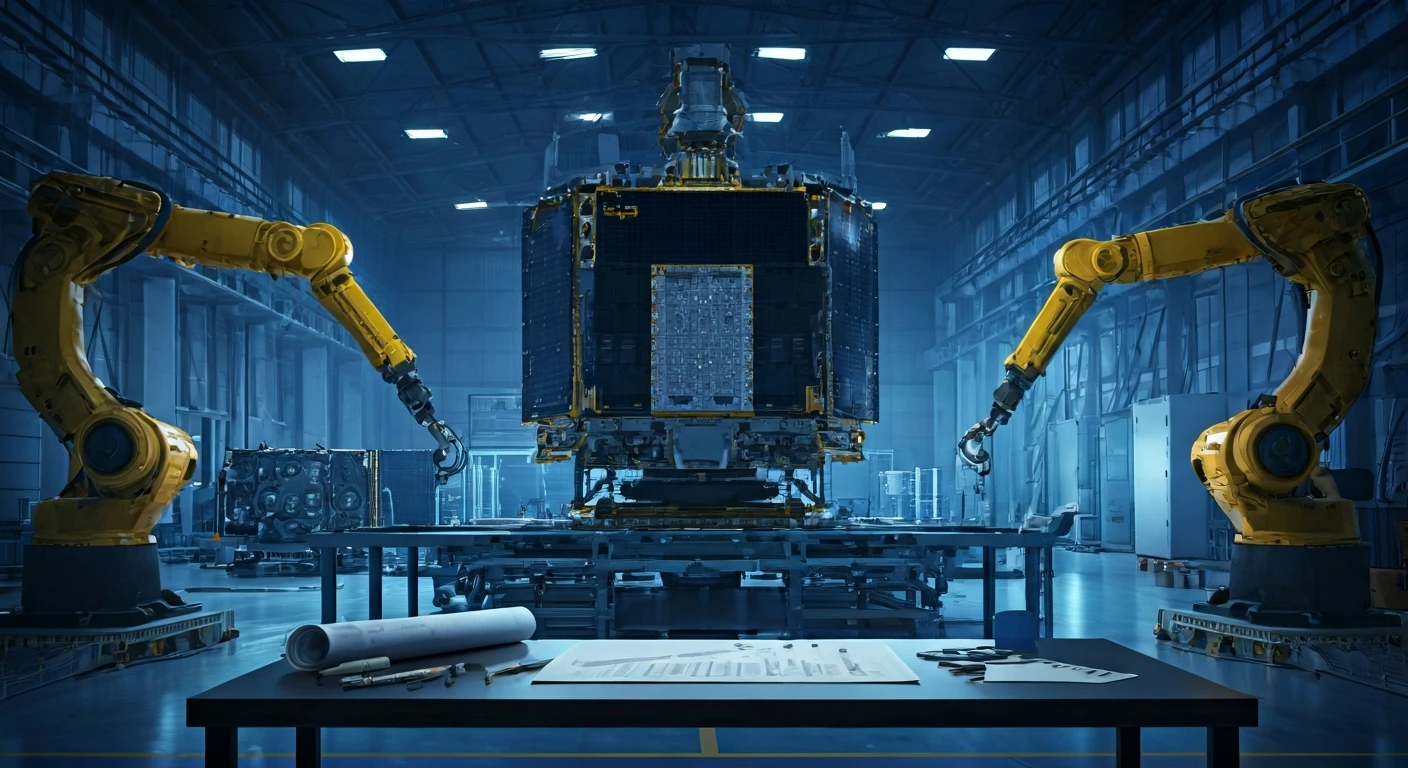
This policy shift has ignited a startup boom. The two names generating the most buzz are Skyroot Aerospace and Agnikul Cosmos. Skyroot became the first Indian private company to launch a rocket into space with its Vikram-S mission in late 2022. Backed by Singapore's sovereign wealth fund, GIC, the company is developing a series of rockets designed to carry small satellites into orbit, a fast-growing segment of the global market. Meanwhile, Agnikul is pioneering 3D-printed rocket engines, a manufacturing innovation that promises to drastically cut costs and production time. Their Agnibaan rocket is designed for “on-demand” launches, allowing a client to send a small satellite into orbit with just a few weeks' notice. These are not just hobbyists; they are well-funded, professionally run ventures attracting top engineering talent and aiming to compete on a global scale. Dozens of other startups are focusing on everything from satellite components and ground-station services to data analytics.
The 'Chandrayaan-3' Effect
Nothing fuels a space race like a spectacular success. When the Chandrayaan-3 mission successfully soft-landed on the lunar south pole in August 2023—a feat no other nation had accomplished—it did more than just make history. It created a massive wave of national pride and, crucially, investor confidence. The landing was a powerful demonstration of India's technical prowess and its ability to achieve complex missions at a fraction of the cost of its Western counterparts. For the burgeoning private sector, it was a validation and a call to action. The event supercharged interest in space tech, making it easier for startups to raise capital and recruit talent. The moon landing effectively served as a global advertisement for 'Brand India' in space, signaling that the country is a serious player, and its private ecosystem is ready for business.
Why This Race Matters to the U.S.
An ascendant Indian space industry isn't just a distant development; it has direct implications for the United States. On one hand, it introduces new competition. Indian launch providers, with their lower cost structures, could challenge American companies in the lucrative small-satellite launch market. But on the other hand, it creates a powerful new partner. As the U.S. looks to build a coalition of democratic space-faring nations to counterbalance China's ambitions, a robust Indian space sector is a massive strategic asset. The U.S. and India are already collaborating through the Artemis Accords for lunar exploration. A thriving private Indian space industry means more potential partners for NASA, more suppliers for American aerospace giants, and a more resilient global supply chain for space hardware that isn't dependent on geopolitical rivals. It's less a head-to-head race against the U.S. and more of a parallel track that strengthens the overall position of like-minded nations in space.