



From Sunshine to Shadow
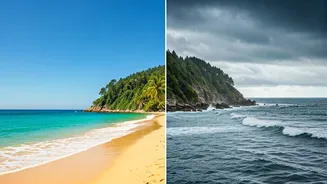
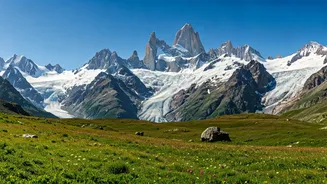
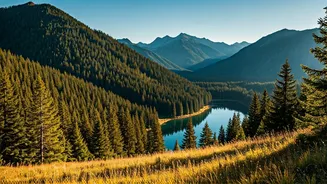
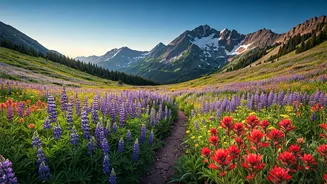
The travel aesthetic of the 2010s was built on a foundation of bright, aspirational perfection. Think oversaturated sunsets in Santorini, infinity pools in Bali, and flawless white-sand beaches in the Maldives. It was a visual language of peak happiness,
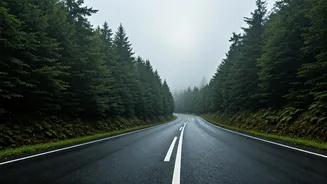
curated for the Instagram grid. But for a growing cohort of Millennial and Gen Z travelers, that relentless sunshine has started to feel a little one-note, even inauthentic. In its place, a moodier, more atmospheric style of travel is taking hold. The new ideal isn't about escaping to paradise; it's about stepping into a story. This trend favors the cinematic over the cheerful, the dramatic over the pristine. It finds beauty not in perfect weather, but in the evocative power of a misty morning, a rain-slicked road, or a sky heavy with dramatic clouds. It’s a deliberate pivot from the performative joy of the past to a more introspective and personal sense of adventure.
The Allure of the Atmosphere
So, why the sudden appeal of a gloomy forecast? It’s not about a love for bad weather; it’s about the desire for a richer emotional landscape. These 'cloud-covered' destinations provide a ready-made backdrop for what internet culture calls "main character energy." Driving through the Scottish Highlands with a somber playlist, or hiking through the foggy forests of the Pacific Northwest, feels less like a vacation and more like a scene from a movie in which you are the star. This aesthetic has been heavily influenced by pop culture. The lingering cultural footprint of franchises like *Twilight*, with its perpetually overcast setting in Forks, Washington, or the brooding landscapes of *Game of Thrones* and Nordic noir television shows, has made these environments feel cool and mysterious. Instead of a photo that says, “I’m having a perfect, relaxing time,” the goal is a photo that says, “I’m on an epic, meaningful journey.” It trades the simple postcard for a cinematic film still.
The New Bucket List Destinations
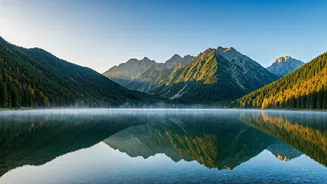
This shift in taste is reshaping the modern bucket list. Destinations once seen as secondary or “off-season” are now becoming primary targets. The Pacific Northwest is a prime example, with Oregon’s dramatic coastline and Washington’s Olympic National Park drawing travelers specifically for their moody, ethereal qualities. The region’s temperate rainforests, often shrouded in mist and fog, offer the exact atmosphere this trend celebrates. Across the Atlantic, Scotland has become a pilgrimage site for those seeking windswept moors, ancient castles, and dramatic, cloud-filled glens. Similarly, Iceland and the Faroe Islands, with their volcanic terrain, powerful waterfalls, and unpredictable weather, offer a sense of raw, untamed beauty that feels a world away from a manicured resort. These aren't places you go to work on your tan; they are places you go to feel something profound, to connect with a sense of history and nature at its most powerful.
More Than Just a Pretty Picture
Ultimately, the turn toward cloud-covered roads is more than just a fleeting visual trend. It reflects a deeper change in travel values. It’s a move away from consumption—collecting sunny destinations like trophies—and toward experience. This kind of travel inherently embraces imperfection. A trip to Iceland in October means accepting the possibility of rain, wind, and cancelled plans. But within that uncertainty lies a more authentic adventure. It encourages presence, forcing you to engage with the environment as it is, not as you wish it would be. This mindset challenges the idea that a vacation is only successful if the weather is perfect. Instead, it suggests that the story of the journey, complete with its challenges and unexpected moments of beauty found in a storm cloud or a foggy valley, is the real prize. It's about finding the beauty in the real world, not just a filtered version of it.