
Redefining the 'Flex'
For decades, a 'flex' was about conspicuous consumption. It was the flashy watch, the luxury car, the designer handbag with a logo visible from space. It was about proving you could afford something new, expensive, and exclusive. But for the generation
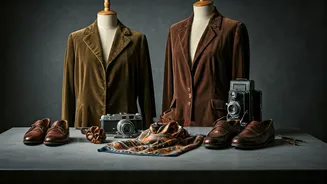
raised on the internet, amid economic uncertainty and a climate crisis, that definition feels outdated and, frankly, a little tacky. Today's flex is less about the price tag and more about the story, the hunt, and the curation. It’s the ability to pull together an outfit that is uniquely *yours*. A vintage-inspired fit signals something more valuable than money: it signals taste, knowledge, and effort. It says you didn't just walk into a department store and buy a mannequin's outfit; you dug through racks, scrolled through Depop for weeks, or knew exactly which obscure Y2K brand to search for to find the perfect low-rise cargo pants. This new flex is about cultural capital, not just financial capital.
The Sustainability Factor
You can't talk about Gen Z without talking about their relationship with the environment. This is a generation acutely aware of the perils of climate change and the destructive impact of consumer culture. Fast fashion, with its endless cycle of cheap, disposable garments, has become a major villain in this narrative. As a result, turning to vintage and secondhand clothing isn't just a style choice; it's an ethical one. Choosing a pre-loved garment is a small act of rebellion against a system that produces an estimated 92 million tons of textile waste annually. It’s a way to participate in fashion without contributing to the demand for new production. This gives vintage finds a layer of moral satisfaction that a brand-new item from a fast-fashion giant simply can’t offer. Wearing something thrifted isn’t just cool—it’s a quiet statement of values.
Fueled by the Algorithm
The internet, particularly platforms like TikTok and Pinterest, acts as a massive, constantly evolving fashion archive. Micro-trends and entire aesthetic movements ('cores,' in Gen Z parlance) are born, circulate, and die at a dizzying pace. One week it's 'Coastal Grandmother,' the next it's 'Whimsigoth.' This digital exposure means that styles from the '70s, '80s, '90s, and especially the early 2000s (Y2K) are all simultaneously in play. An algorithm might serve up a video of a user styling a vintage Guess sweatshirt, sending thousands on a digital scavenger hunt across eBay, Poshmark, and The RealReal to find their own. This creates a fun, gamified experience around shopping. The digital world provides the inspiration, and the real world (or the online resale world) becomes the treasure map. The clothing item itself becomes the trophy.
Not Just Old Clothes
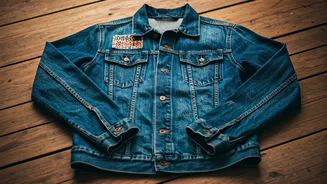
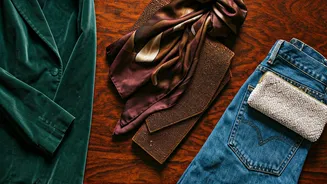
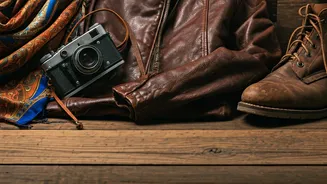
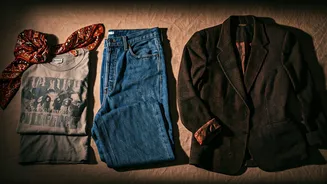
It’s important to distinguish 'vintage-inspired' from simply wearing old things. The art is in the mix. The new Gen Z uniform isn't a head-to-toe period costume. Instead, it’s a delicate balance: a true vintage concert tee paired with new, baggy jeans; a thrifted leather jacket thrown over a contemporary dress; a grandmother’s heirloom jewelry accenting a modern silhouette from a sustainable brand. This high-low, old-new mashup is central to the aesthetic. This approach prioritizes individuality above all else. By blending pieces from different eras and price points, the wearer creates an outfit that can’t be easily replicated. It’s an antidote to the algorithmic sameness of influencer-driven fast fashion. In a world where everyone can buy the same viral dress from Zara, the only way to truly stand out is to wear something no one else can find.