
1. The Hyper-Visual Plate
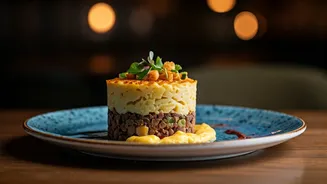
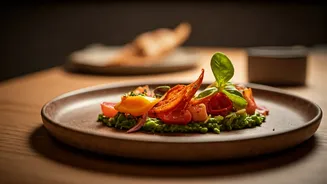
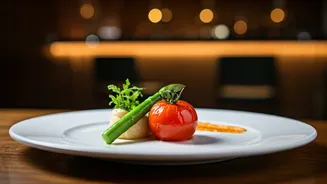
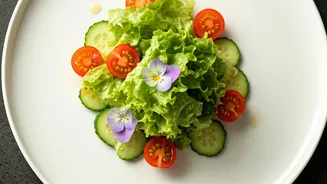
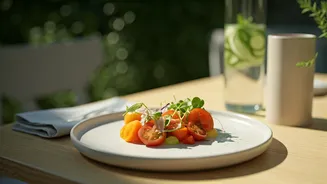
Your salad isn’t just a salad anymore; it's a carefully composed work of art. The 'prettier' part of summer dining starts on the plate itself. Chefs are increasingly designing dishes with social media in mind, knowing that a beautiful plate is its own
best advertisement. Think vibrant, painterly sauce swirls, microgreens and herbs scattered like confetti, and the star of the show: edible flowers. Pansies, violas, and nasturtiums are no longer just for garden beds; they’re adding pops of color and delicate flavor to everything from entrees to cocktails. It’s a trend that transforms every meal into a photo opportunity, making the diner both a customer and a marketer.
2. The QR Code Glow-Up
Remember the clunky, frustrating PDF menus of 2020? That was the awkward teenage phase of QR code dining. Now, the technology is getting 'smarter' and more sophisticated. Instead of just a static list, QR codes now often lead to dynamic, interactive digital menus complete with enticing photos, ingredient deep-dives, and even wine-pairing suggestions. This isn't just for convenience; it allows restaurants to update offerings in real-time (no more 'sorry, we're out of the salmon'), gather data on what's popular, and reduce paper waste. Some systems even integrate ordering and payment, creating a seamless, efficient experience that puts you in control and lets servers focus on hospitality rather than transaction.
3. Ambiance as the Main Course
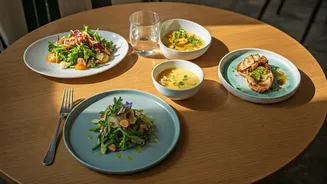
Restaurants have always known that atmosphere matters, but this summer, they're doubling down. The aesthetics of the dining space, especially outdoors, are becoming as important as the menu. Patios and rooftops are being transformed into lush oases with elaborate floral installations, whimsical string lights, and curated playlists that perfectly match the vibe. It’s about creating a transportive experience—an Italian coastal fantasy on a city sidewalk or a secret garden in a concrete courtyard. This focus on a complete sensory package makes dinner feel less like a meal and more like a mini-vacation, justifying the price tag and creating a memorable, shareable evening.
4. The Rise of the Zero-Waste Kitchen
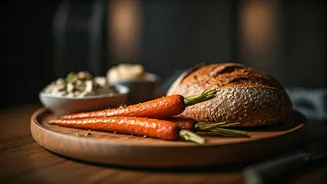
One of the smartest trends shaping menus is the push for sustainability. Forward-thinking chefs are embracing a 'zero-waste' or 'low-waste' philosophy, which is as resourceful as it is delicious. This means using every part of an ingredient. Think pesto made from carrot tops that would have otherwise been discarded, broth simmered from vegetable peels and herb stems, or cocktails infused with syrups made from citrus rinds. It’s a creative challenge for chefs that results in innovative, flavorful dishes while also appealing to an increasingly eco-conscious consumer base. This smart approach to cooking reduces a restaurant's environmental footprint and often its food costs, proving that sustainability is good for both the planet and the bottom line.
5. Hyper-Local Sourcing Gets Personal
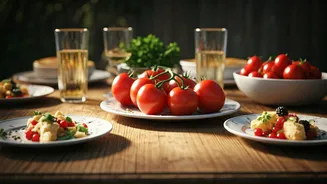
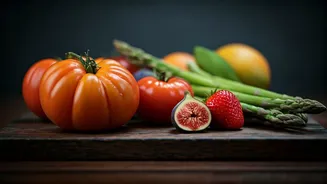
The farm-to-table concept isn't new, but its latest iteration is both prettier and smarter. Restaurants are moving beyond simply listing the farm their pork comes from. They are now sourcing from neighborhood gardens, foraging for wild ingredients in nearby parks (where legal and safe), and even installing their own vertical farms or rooftop beehives. This intense locality results in incredibly fresh, vibrant produce that makes any dish more beautiful. The 'smart' side is in the logistics: creating agile, responsive menus that change weekly or even daily based on what’s perfectly ripe just a few miles—or a few feet—away. It forges a powerful connection between the diner, the chef, and their immediate environment.