




Our Definition of Comfort Is Evolving
For decades, comfort food has been synonymous with heavy, soft, and carb-laden dishes that evoke a sense of nostalgia and safety. Think mashed potatoes, creamy pastas, and warm bread. These foods are often linked to childhood and provide a reliable, if
temporary, emotional cushion. But as our collective focus has shifted towards wellness and mindful eating, the very definition of what makes us feel 'good' is being rewritten. The post-meal slump that often follows a heavy, traditional comfort meal is increasingly seen as a downside, not a feature. Today’s comfort is less about sedating ourselves with calories and more about finding foods that soothe our minds while still making our bodies feel energized and cared for. This has opened the door for a new kind of satisfaction, one rooted in texture and vibrancy.
The Psychology of the Crunch
So, why crunch? The appeal is deeply psychological and sensory. On a primal level, our brains are wired to associate crispiness and crunchiness with freshness. A crisp apple is better than a mealy one; a crunchy lettuce leaf is superior to a wilted one. This signals to our brain that the food is fresh, safe, and full of nutrients. But there’s more to it. The auditory feedback—the literal sound of the crunch—is incredibly satisfying. Food scientists call this the 'music of mastication.' Hearing that snap and crackle can be a powerful distraction from daily anxieties. Some psychologists even suggest that the physical act of chewing something crunchy serves as a safe outlet for stress and frustration, similar to squeezing a stress ball. It's an active, engaging way to eat that forces you to be present in the moment, rather than passively consuming a soft meal.
Meet the New Comfort Champions
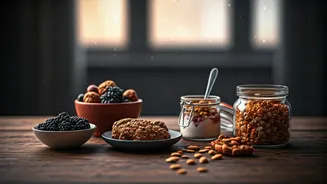
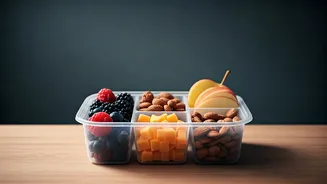
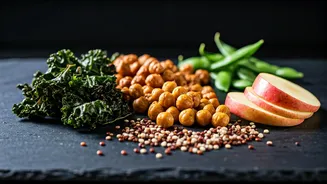
This trend isn't just theoretical; it’s filling up our pantries and social media feeds. The new comfort food roster is a lineup of vibrant, textured, and often plant-based options. Think of the meteoric rise of roasted chickpeas, seasoned and baked until they’re addictively crunchy. Consider the legions of fans for kale chips, seaweed snacks, and gourmet popcorn in flavors from truffle to everything bagel. Even classic snacks are getting a healthy, crunchy makeover. Crackers are now made from a mosaic of seeds and nuts, while puffed snacks are crafted from lentils, quinoa, and other whole grains. These foods deliver that all-important textural satisfaction without the guilt or heaviness of their deep-fried predecessors. They offer comfort that feels constructive, not destructive.
It’s a Meal, Not Just a Snack
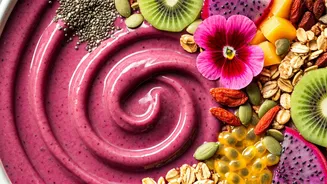
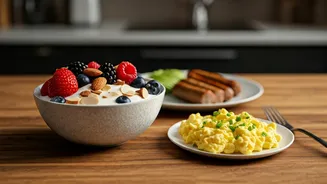
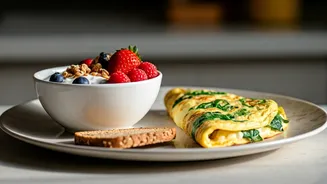
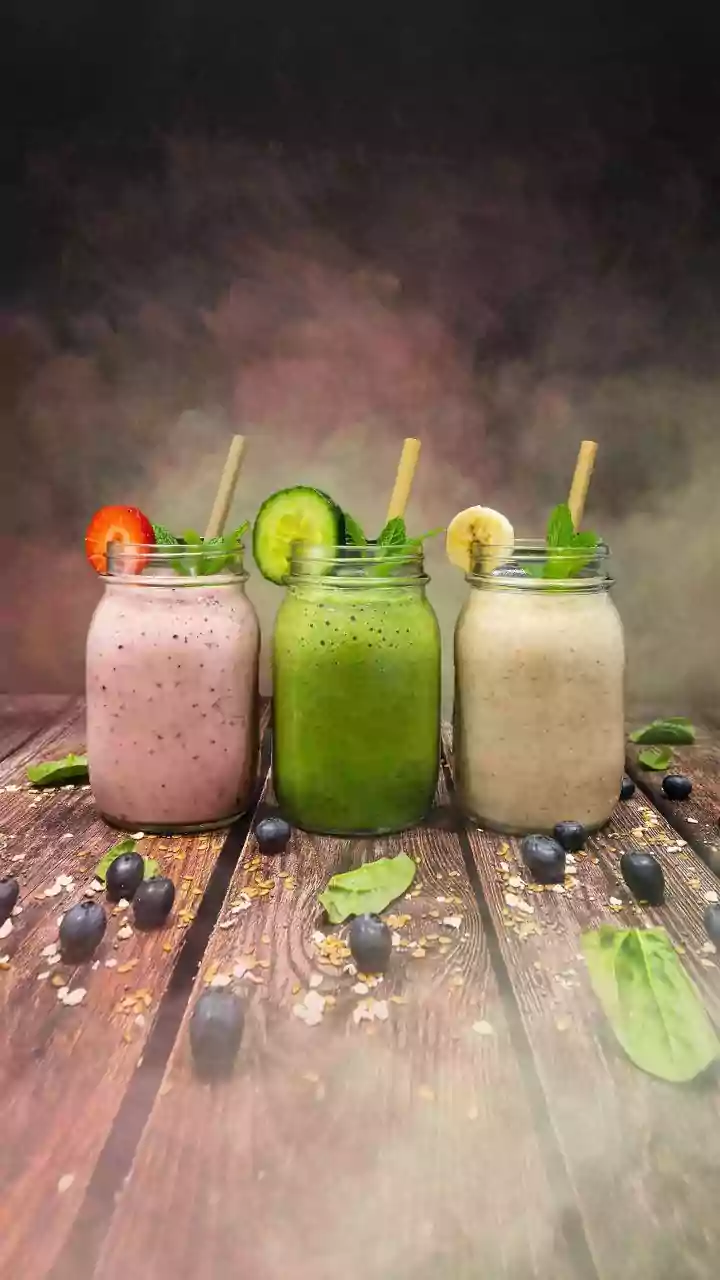
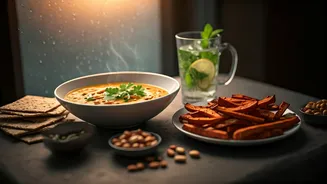
The love for crunch extends far beyond the snack aisle. It’s fundamentally changing how we build our meals. The modern 'bowl'—whether it’s a grain bowl, a salad, or a smoothie bowl—is often incomplete without a crunchy component. A sprinkle of toasted pumpkin seeds, a handful of crispy wonton strips, or a topping of crunchy granola adds a crucial textural contrast that makes the entire meal more dynamic and enjoyable. Soups are garnished with croutons or crispy onions. Salads are loaded with nuts and seeds. Even avocado toast gets a sprinkle of flaky salt and chili crunch. This isn't just about adding flavor; it's about making every bite an experience. The crunch transforms a potentially one-note meal into a multi-sensory event, making healthy eating feel less like a chore and more like a treat.