





1. The Ritual of Khichuri
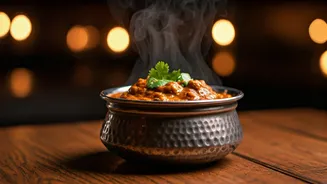
In Kolkata, the first sign of a downpour isn't just the dark clouds; it's the subtle scent of ghee, ginger, and toasted lentils wafting from kitchens across the city. This is the aroma of khichuri (known as khichdi elsewhere), the quintessential rainy-day
meal. Far from being a simple rice and lentil porridge, Bengali khichuri is an event. It’s a savory, soupy, one-pot wonder, often studded with vegetables like potatoes and cauliflower, and spiced with a symphony of turmeric, cumin, and bay leaves. It’s almost always served with a dollop of pure ghee on top and a side of Begun Bhaja (pan-fried eggplant slices) or other fried accompaniments. This isn't just food; it's a hug in a bowl, a deeply ingrained cultural response to the pitter-patter of rain on the windowpane. It symbolizes warmth, home, and the simple joy of being sheltered from the storm.
2. The Reign of the Hilsa King
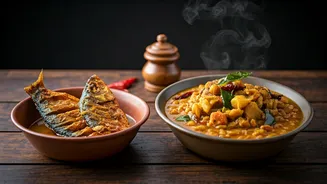
If monsoon has a flavor in Bengal, it is undoubtedly Ilish, or Hilsa. This prized, silver-skinned fish is the undisputed king of the region's waters, and its peak season coincides perfectly with the rains. The fish, rich in omega-3 fatty acids, swims upstream from the Bay of Bengal to spawn, and its arrival is celebrated with culinary fervor. Bengalis have a near-poetic relationship with Ilish, claiming to be able to cook every single part of it. The most iconic preparation is Shorshe Ilish, where fillets are steamed or gently simmered in a pungent, creamy mustard-seed paste. Another favorite is Ilish Bhapa, steamed in a sealed container with yogurt and spices. The unique, delicate flavor of the fish is a seasonal delicacy that locals wait for all year, making it a non-negotiable part of any authentic Kolkata monsoon experience.
3. The Street-Side Sizzle of Telebhaja
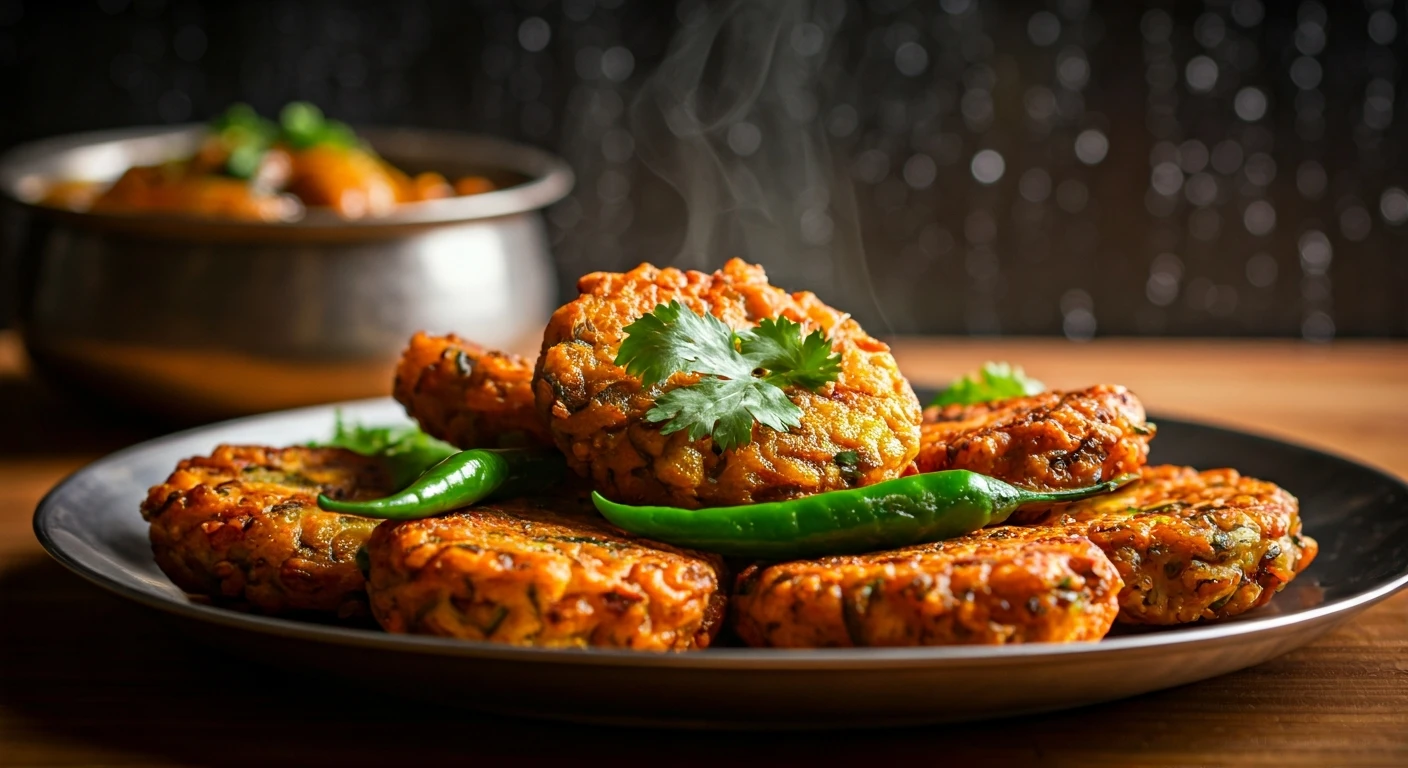
Nothing pairs better with a sudden shower and a cup of steaming chai than telebhaja. These deep-fried fritters are the soul of Kolkata's street food scene, and their allure multiplies during the monsoon. As the rain comes down, tiny stalls—often just a large wok of hot oil under a makeshift tarp—spring to life, drawing crowds. The offerings are diverse: 'beguni' (battered eggplant), 'peyaji' (onion fritters), 'aloo'r chop' (spiced potato croquettes), and 'fuluri' (lentil paste fritters). The magic lies in the contrast: the hot, crispy, savory snack against the cool, damp air. Huddling under an awning, sharing a paper cone of freshly fried telebhaja while watching the city rush by in a blur of rain, is a core Kolkata memory for locals and a must-do for visitors.
4. The Smoky Simplicity of Bhutta
Sometimes, the most profound culinary joys are the simplest. During the monsoon, you'll find vendors across Kolkata fanning charcoal embers under wire grills, roasting cobs of corn. This is bhutta. The corn is roasted until the kernels are tender and slightly charred, then rubbed vigorously with a mixture of salt, chili powder, and a wedge of lime. The result is a smoky, spicy, tangy, and sweet explosion of flavor. The smell of the roasting corn mingling with the petrichor—the earthy scent of rain on dry soil—is an intoxicating part of the season’s sensory landscape. It's an easily portable snack, perfect for munching on while navigating the city's rain-washed sidewalks.
5. A Cozy Bowl of Kolkata-Style Noodles
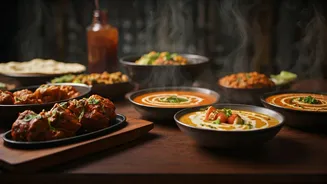
While traditional Bengali food reigns supreme, Kolkata's unique brand of Indian-Chinese cuisine offers its own set of monsoon comforts. Centered in the city's historic Tangra neighborhood (the only Chinatown in India), this culinary tradition offers the perfect antidote to a dreary, wet evening. A steaming bowl of spicy chili garlic noodles or a plate of Hakka-style chow mein provides an entirely different kind of warmth. These dishes, packed with 'umami' and heat, are perfect for cutting through the dampness. Paired with a spicy appetizer like Chili Chicken or a comforting bowl of hot and sour soup, it's a testament to the city's living, evolving food culture and another delicious way to wait out the rain.