




Chefs Put Vegetables in the Spotlight
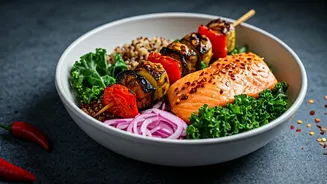
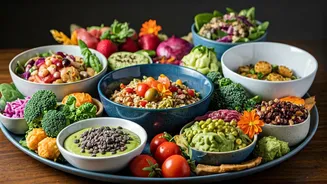
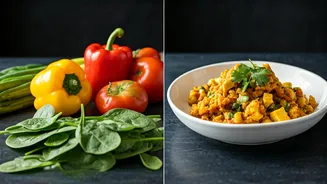
A decade ago, the best chefs treated vegetables as a supporting act—a colorful sidekick to a slab of protein. Today, vegetables are the main event. Across the country, top restaurants are built around a plant-forward ethos, treating carrots, beets, and
cauliflower with the same reverence once reserved for a dry-aged steak. Techniques like charring, fermenting, and slow-roasting unlock deep, complex flavors you never knew a humble cabbage possessed. This fine-dining trend has trickled down, inspiring home cooks to see their farmers' market haul not as a duty, but as an opportunity for delicious creativity. The result is a new respect for produce, where flavor, not just nutrition, is the primary goal.
The Plant-Based Revolution 2.0
The first wave of plant-based eating gave us veggie burgers that tasted more like cardboard than cow. But welcome to the glow-up. Thanks to huge advances in food science and culinary technique, the new generation of plant-based products is designed for discerning palates. Brands are using everything from mushroom root (mycelium) to precision fermentation to create meat and dairy analogues with shockingly good texture and savory, umami-rich flavor. It’s no longer about simply replacing meat; it's about creating genuinely delicious food that just happens to be made from plants. This shift has moved plant-based options from a niche vegan aisle to the mainstream menu, appealing to flexitarians and carnivores alike.
Good-for-Your-Gut Goes Gourmet
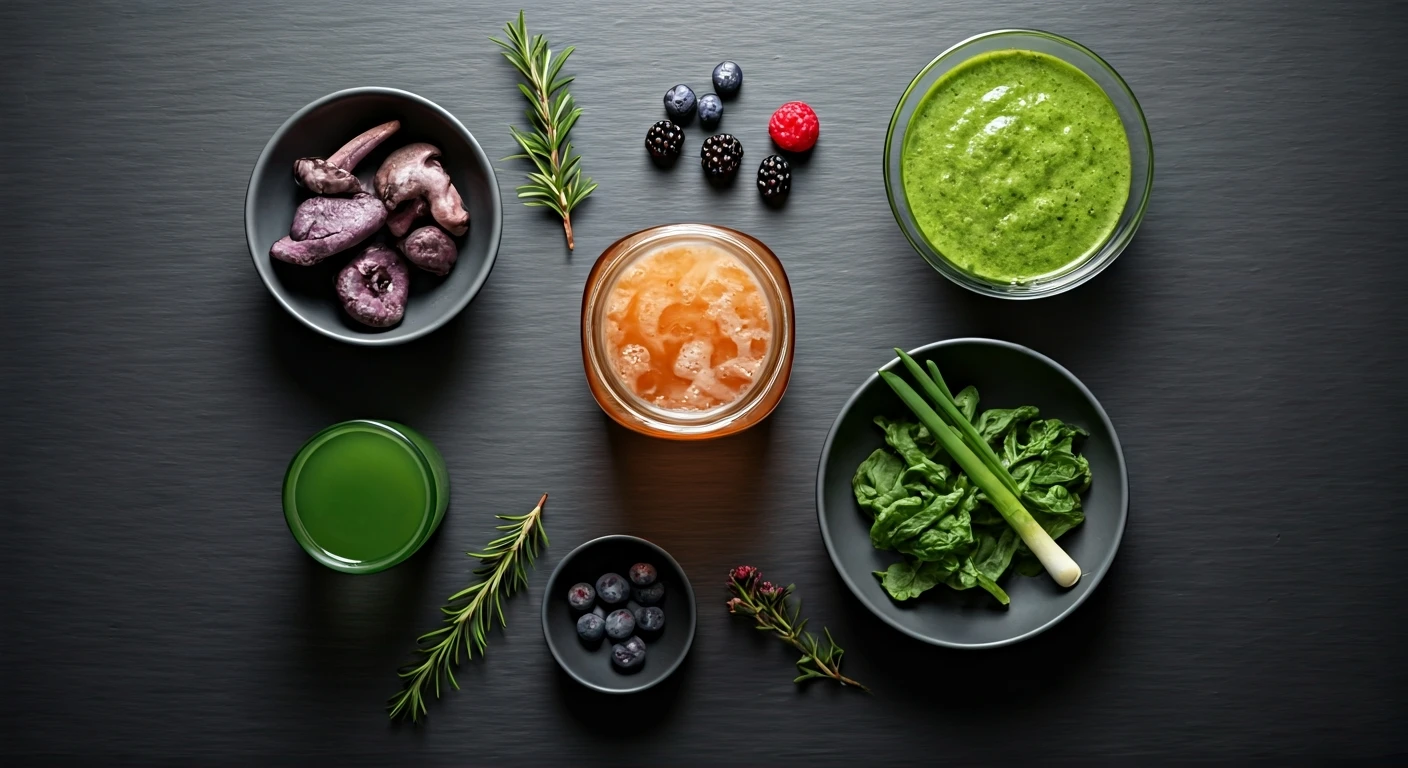
We used to talk about calories and fat. Now, the conversation has moved to the microbiome. The growing awareness of gut health's impact on everything from our mood to our immune system has sparked a food revolution. But this isn't about clinical-tasting supplements. Instead, it’s a revival of ancient, flavor-packed traditions. Fermented foods like kimchi, kombucha, artisan sourdough, and kefir are having a major moment. They deliver a payload of probiotics in a delicious package, offering tangy, complex flavors that add a jolt of excitement to any meal. This trend proves that foods can be both functional and fantastic-tasting.
The Backlash Against 'Diet' Food
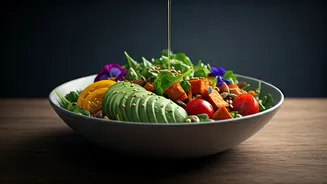
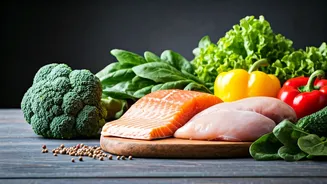
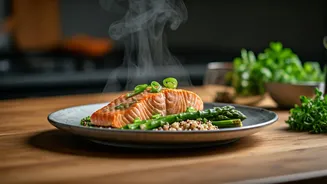
For years, the "healthy" food aisle was a graveyard of good intentions, filled with low-fat, sugar-free products packed with artificial sweeteners, fillers, and unpronounceable ingredients. Consumers have gotten wise to the trick. The new definition of healthy is shifting away from processed "diet" products and toward whole, recognizable foods. This is the triumph of the avocado over the 100-calorie snack pack. People are embracing healthy fats, natural sugars from fruit, and complex carbohydrates from whole grains. The focus is on nutrient density and real flavor, not lab-created concoctions that mimic taste. It's a return to eating real food, and it turns out, real food is incredibly delicious.
Global Flavors in Your Pantry
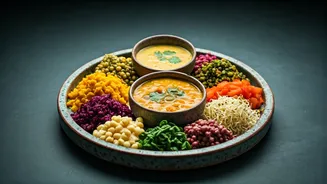
The internet and easier global trade have made our kitchens more exciting than ever. A home cook in Ohio can now easily access the same gochujang, harissa, or za'atar that chefs in Seoul, Tunis, or Beirut use. These spice blends, sauces, and pastes are powerful flavor bombs that can transform simple, healthy ingredients. A piece of roasted chicken or a bowl of lentils becomes an extraordinary meal with a spoonful of chili crisp or a sprinkle of sumac. This new pantry accessibility empowers us to break free from the salt-and-pepper rut, making healthy home cooking a vibrant exploration of global tastes rather than a repetitive chore.