


The Himalayan Stage: Shimla's Enduring Allure
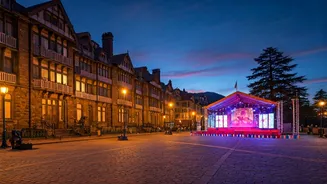
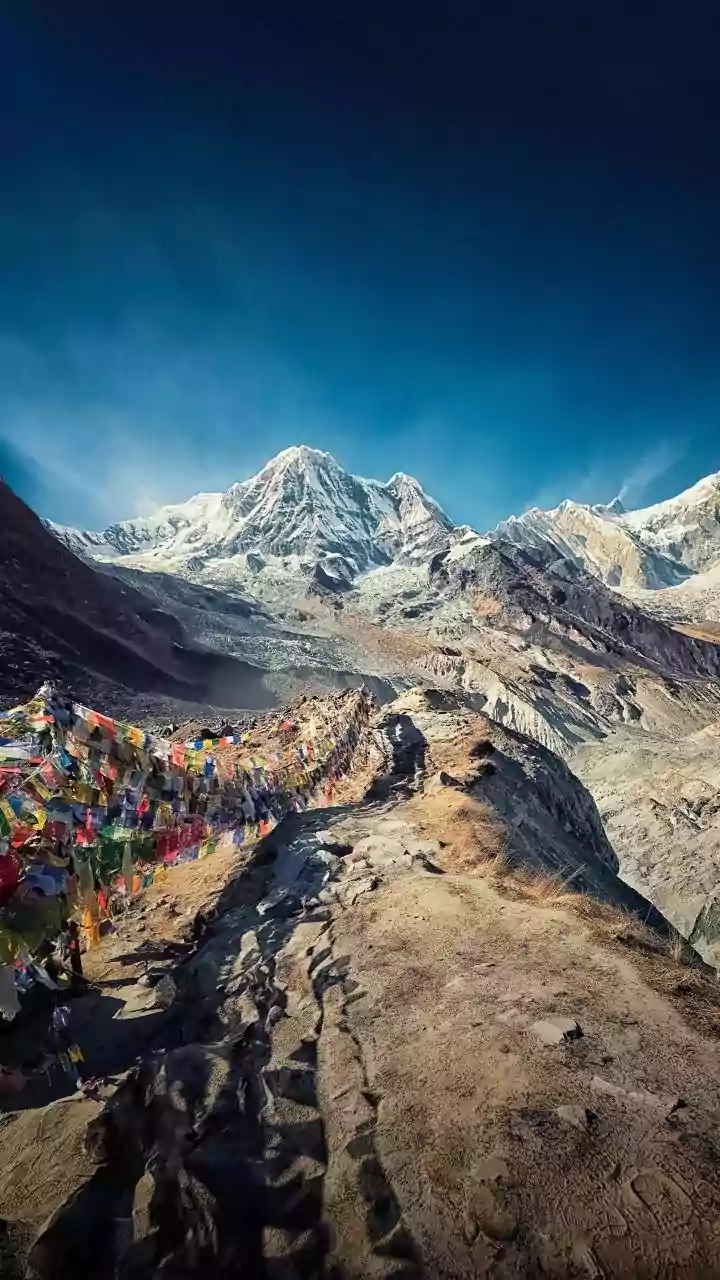
For Americans whose picture of India is shaped by the bustling streets of Delhi or the beaches of Goa, Shimla offers a different world entirely. Perched at over 7,000 feet, this city was once the summer capital of British India, a colonial retreat from
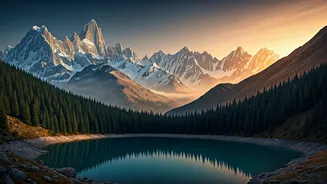
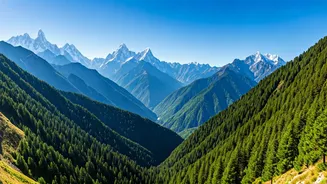
the searing heat of the plains. Its charming legacy is still visible in the neo-Gothic architecture and the famous pedestrian-only Mall Road. But beneath this colonial veneer lies a deeper, older culture rooted in the surrounding mountains. The Shimla Summer Festival, typically held in early June, taps into this identity, transforming the historic Ridge ground into a riot of color and sound that celebrates the region's indigenous heritage.
More Than Just Entertainment
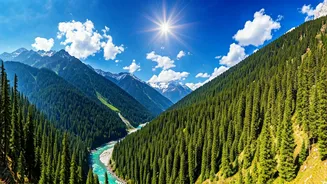
While the festival features modern performances and celebrity appearances to draw crowds, its heart and soul lie in the showcase of Himachali folklore. For the state of Himachal Pradesh—a tapestry of secluded valleys, each with its own dialect, deities, and traditions—this event is a crucial platform. It's an opportunity for artists from remote villages to share their legacy with a wider audience and, more importantly, with a younger generation. In an era of globalization where homogenous pop culture often dominates, the festival serves as a powerful act of cultural preservation, ensuring that the unique stories and arts of the Himalayas are not just remembered, but actively practiced and celebrated.
The Rhythms of the Gods: Nati Dance
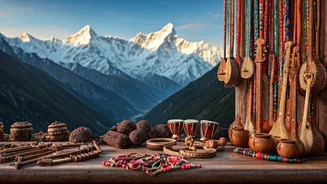
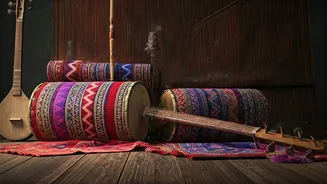
One of the most captivating sights at the festival is the performance of *Nati*, the traditional folk dance of the region. This isn't a simple performance; it's a communal expression of joy and devotion. Dancers, clad in intricately embroidered wool clothing and ornate silver jewelry, link arms to form a long, swaying chain. They move in slow, circular patterns to the hypnotic rhythm of traditional instruments like the *dhol* (drum), *nagara* (kettledrum), and *shehnai* (a type of oboe). The *Nati* can tell stories of harvests, marriages, or local legends, and its gentle, undulating pace is said to mimic the rolling hills of Himachal. The dance holds a Guinness World Record for the largest number of participants, a testament to its deep-seated importance in community life.
Tales from the Mountains: Theater and Song
Beyond dance, the festival brings other rich oral traditions to the forefront. You might witness a performance of *Kariyala*, a form of satirical folk theatre that uses comedy and exaggerated masks to comment on social issues and human folly. These open-air plays often run late into the night, holding audiences captivated with their blend of slapstick humor and sharp wit. Another key element is the folk music. Balladeers sing long, epic tales of local heroes and deities (*devtas*), their powerful voices echoing across the grounds. These songs are the living archives of the region, passing down history, morality, and mythology from one generation to the next without a written word.
A Living Tradition in a Modern World
What makes the folklore at the Shimla Summer Fest so compelling is that it isn't a sterile museum exhibit. It's a living, breathing part of Himachali identity. The artists are not just actors playing a role; they are farmers, artisans, and villagers sharing a piece of their soul. The dances they perform are the same ones seen at village weddings, the songs they sing are the same ones used to honor local gods during religious processions. The festival acts as a bridge, connecting the ancient world of the Himalayan valleys with the contemporary bustle of a popular tourist town. It reminds visitors and locals alike that culture is not a relic of the past but a dynamic force that continues to shape the present.