

The Abode of the Clouds
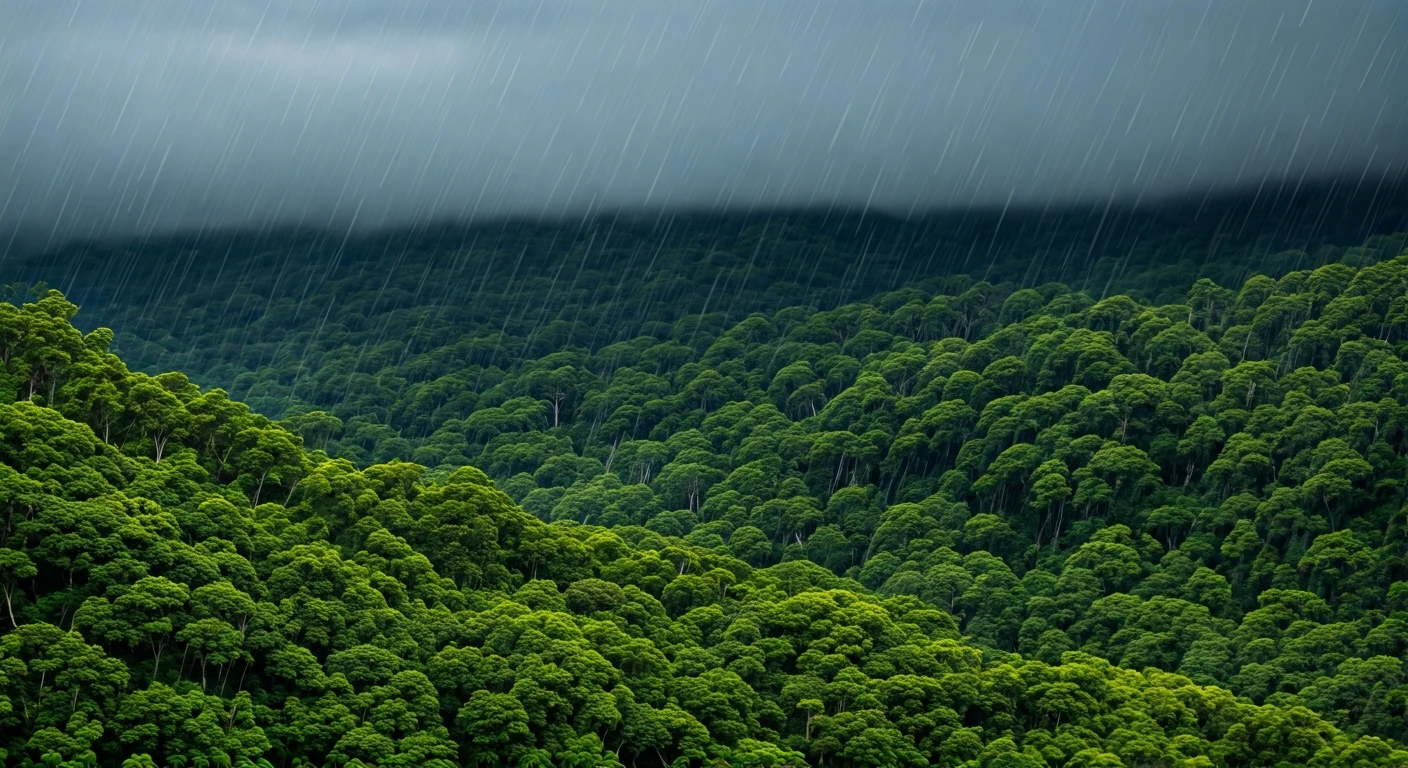
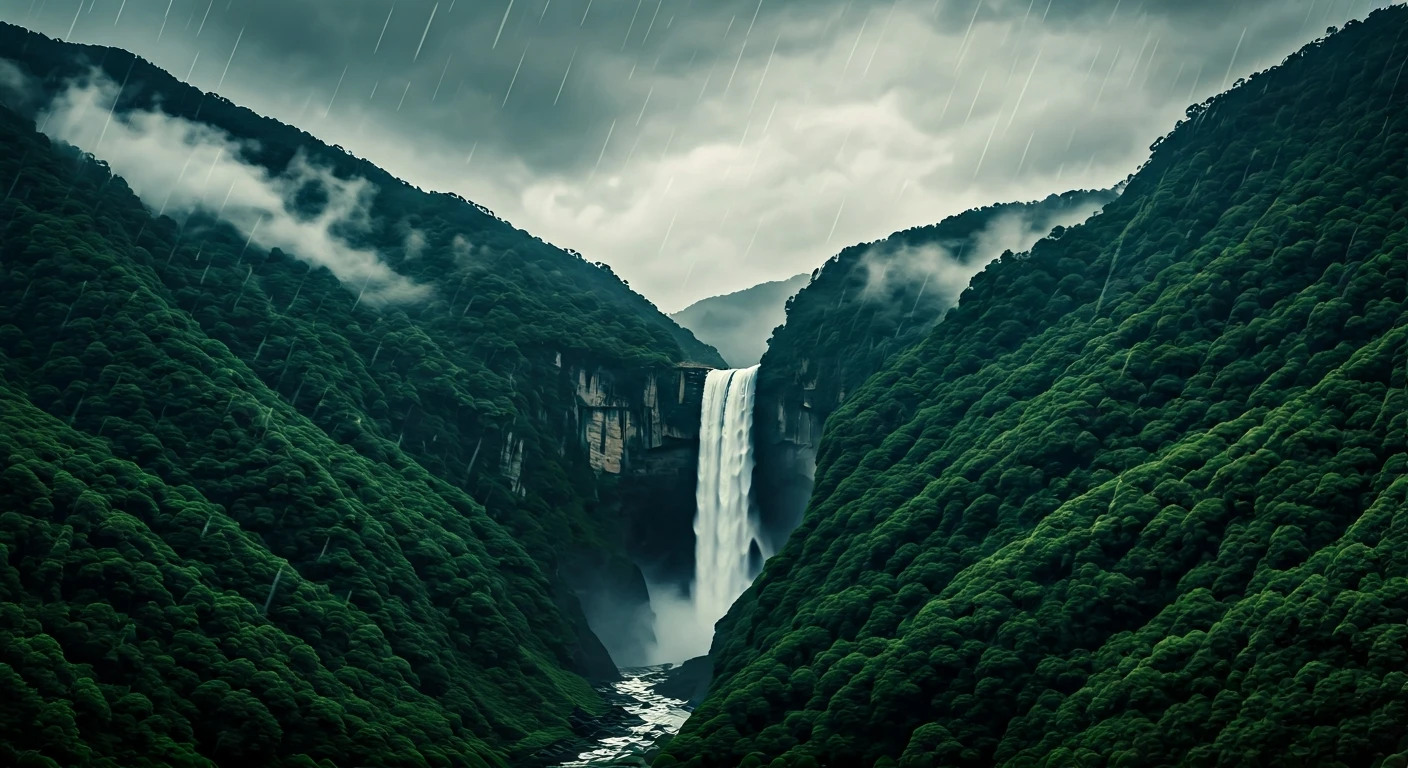
Tucked away in Northeast India, Meghalaya’s name translates from Sanskrit to “Abode of the Clouds,” and it’s a title earned daily. This is one of the wettest places on Earth, a region defined by its relentless monsoon season. But this constant rain isn't
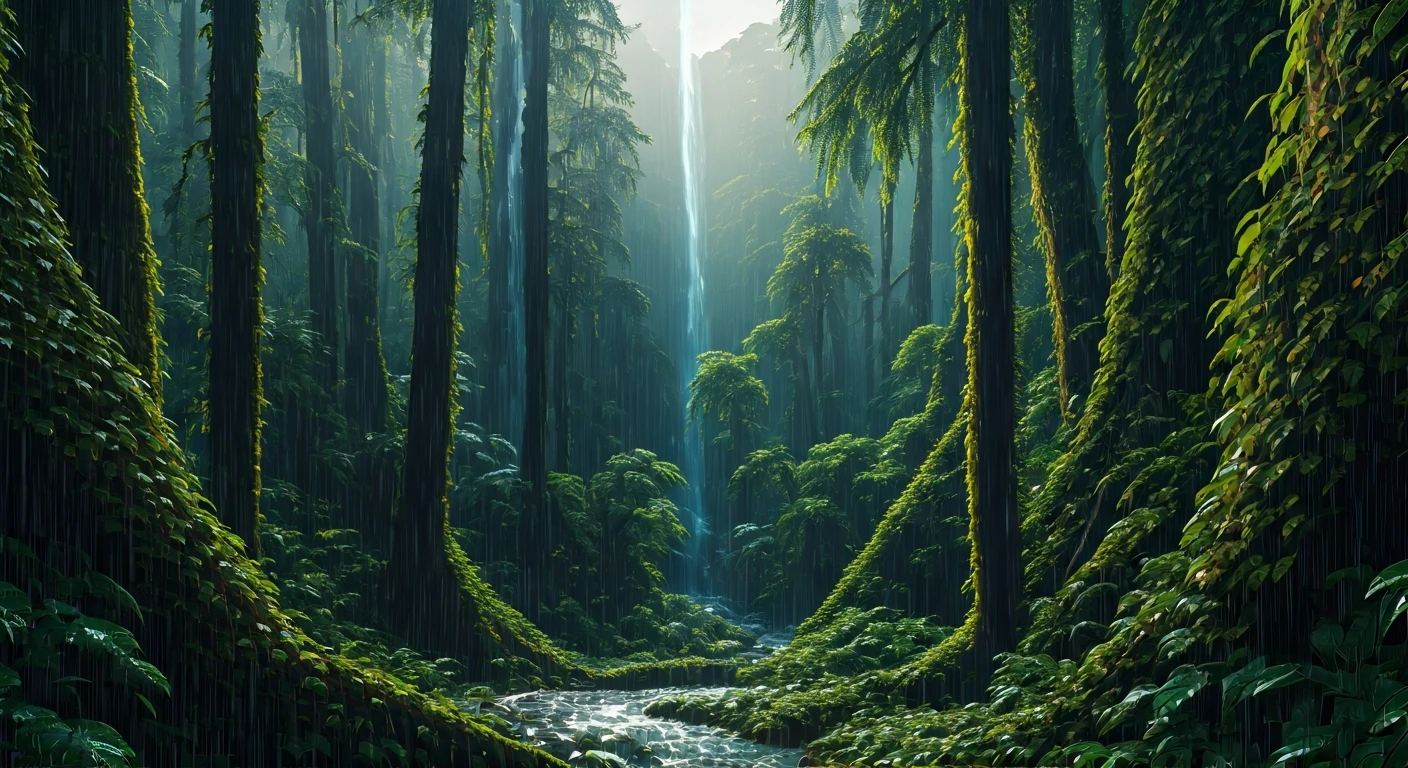
a dreary affair; it’s the lifeblood of a landscape so vibrant and lush it feels almost hyper-real. The water carves the land, feeding a network of rivers that thunder through deep gorges and giving rise to an endless procession of waterfalls that seem to pour directly from the heavens. The constant moisture hangs in the air as a fine mist, softening the edges of the horizon and lending an ethereal, dreamlike quality to every view. It’s this atmosphere that forms the backdrop for Meghalaya’s cinematic drama, setting a stage where nature is the undisputed star.
A Descent into Subterranean Worlds
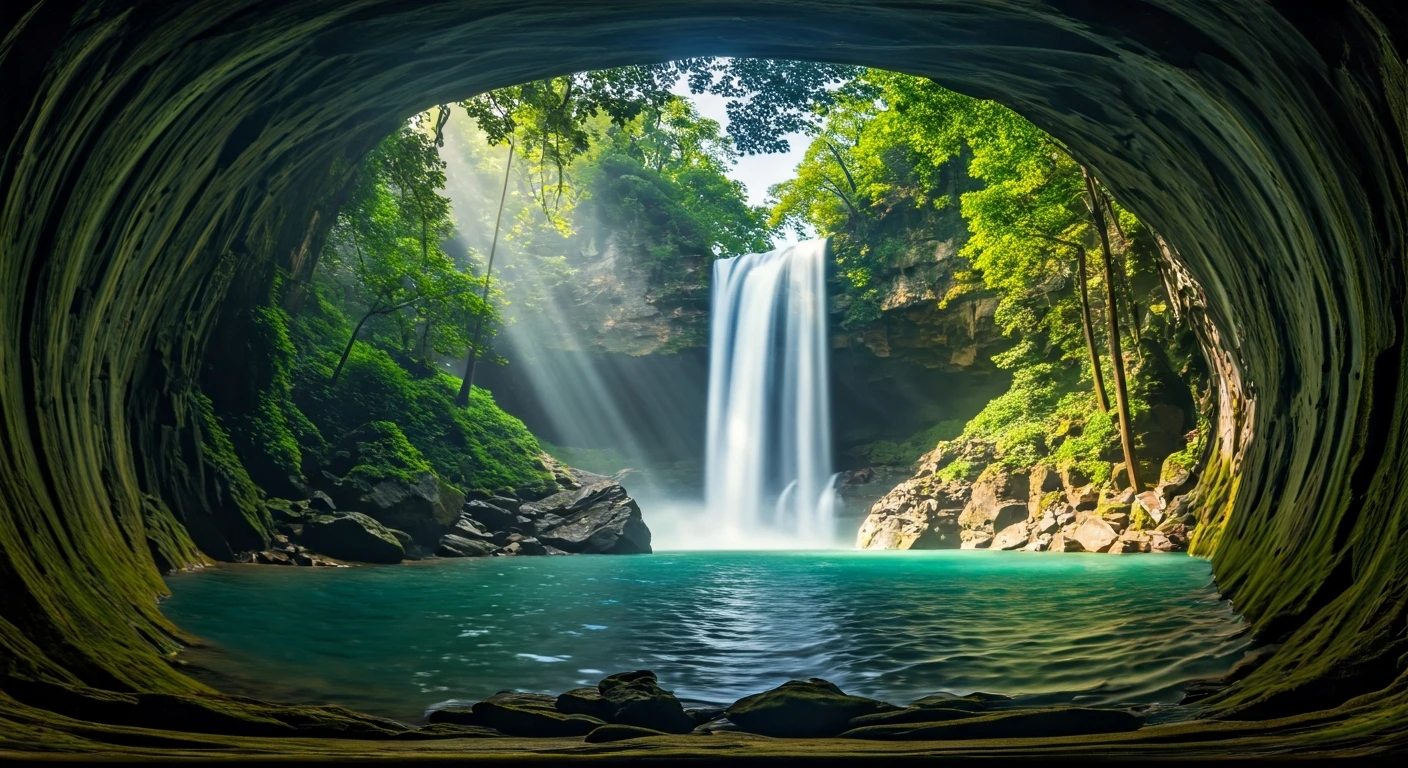
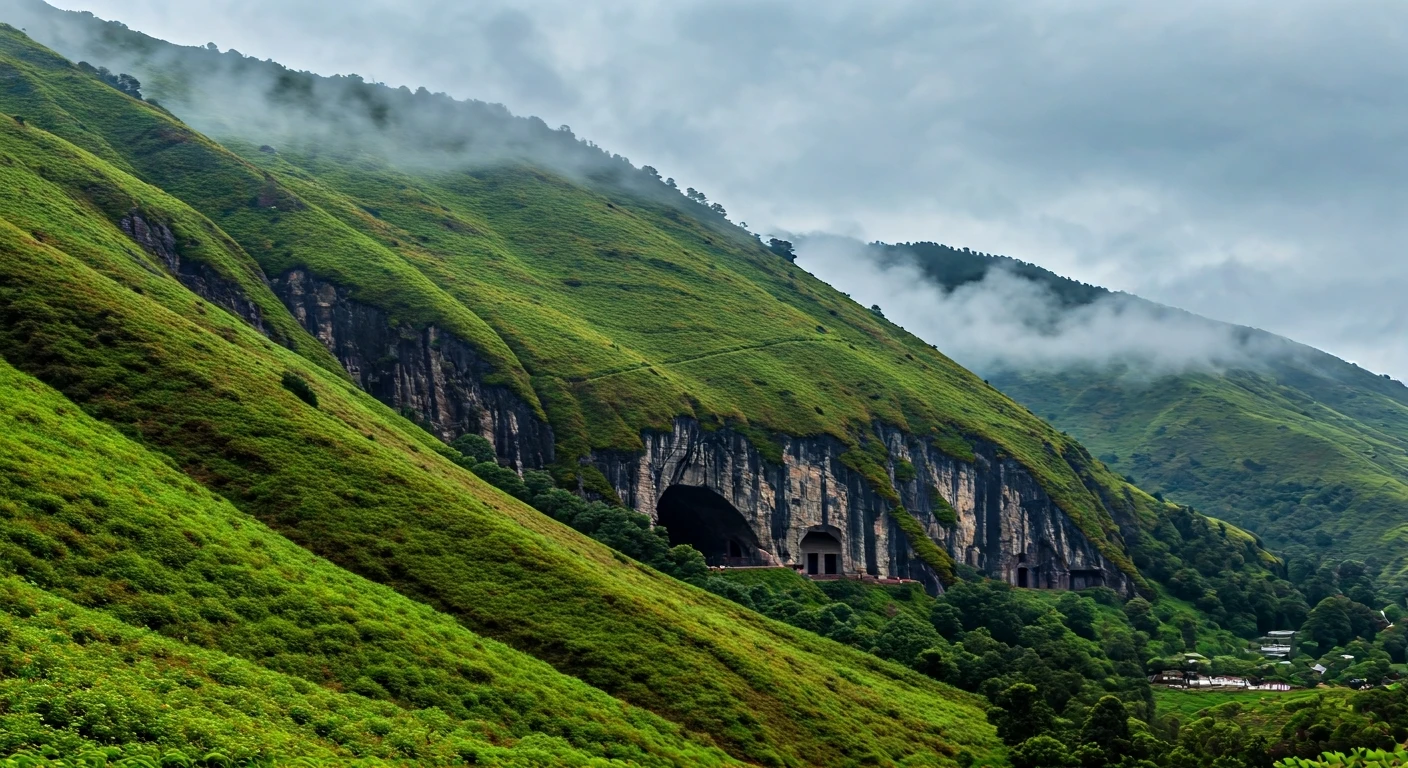
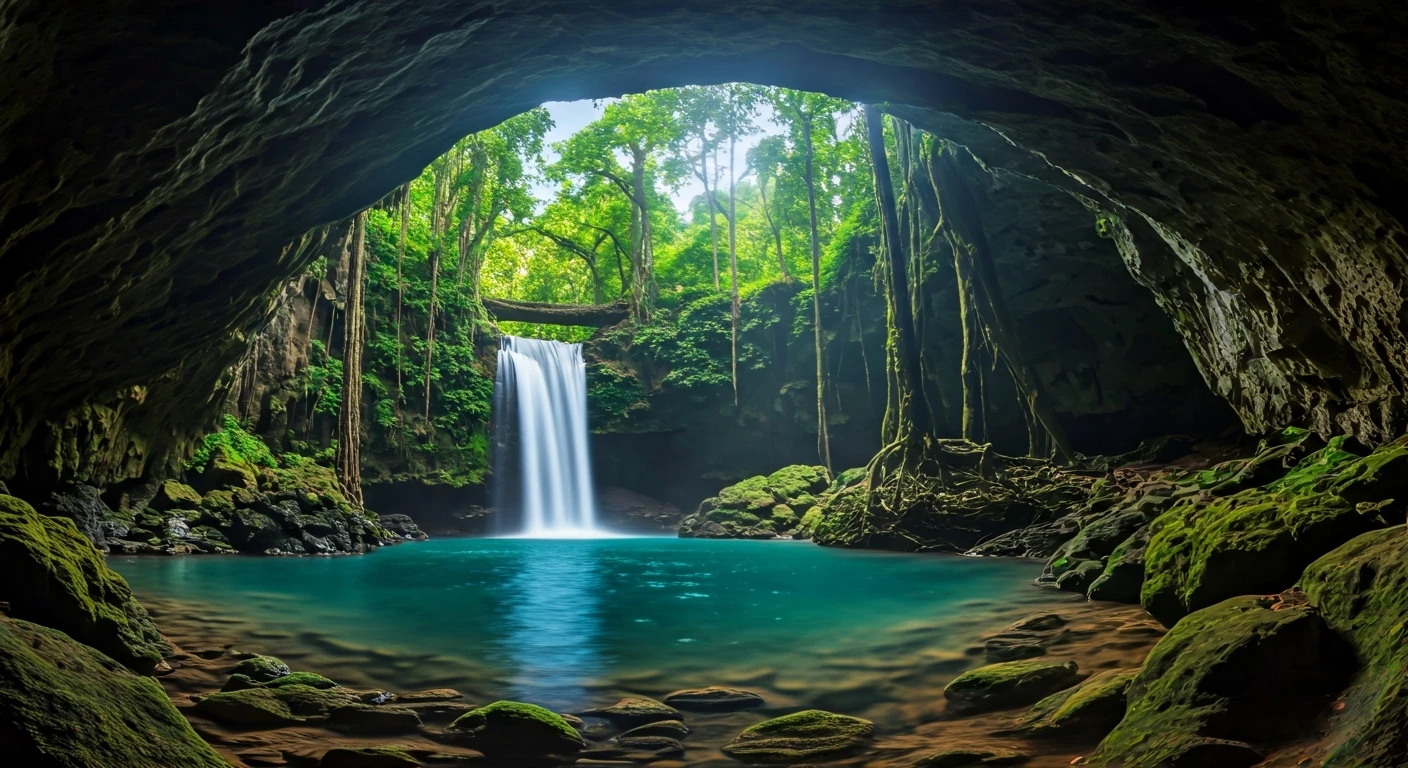
If the surface of Meghalaya is a fantasy epic, its underworld is a science-fiction thriller. The state is home to one of Asia’s most extensive and intricate cave systems, with over 1,700 discovered caverns, many still unmapped. For the casual visitor, caves like Mawsmai offer a safe and spectacular introduction. Stepping inside is like entering another dimension. Electric lights illuminate colossal, cathedral-like chambers dripping with stalactites and stalagmites formed over millennia. You walk past walls embedded with ancient marine fossils, a reminder that this mountainous region was once under the sea. Further in, the path might narrow, forcing you to squeeze through passages as water drips from the ceiling, echoing in the vast, dark spaces beyond the lights. It’s an explorer’s fantasy, a tangible connection to geological time that feels straight out of an *Indiana Jones* adventure. These aren't just holes in the ground; they are living, breathing ecosystems with their own rivers, rock formations, and blind, cave-dwelling creatures.
Waterfalls That Touch the Sky
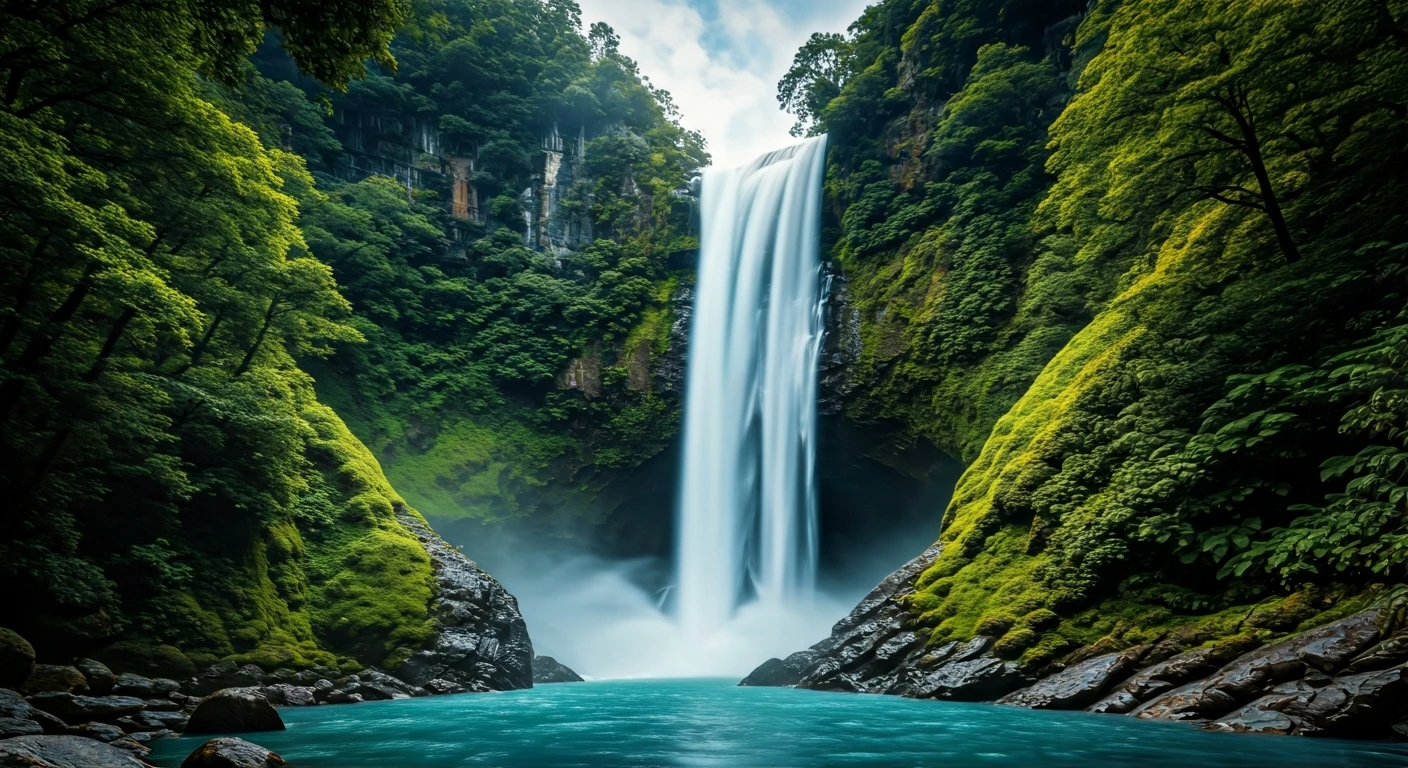
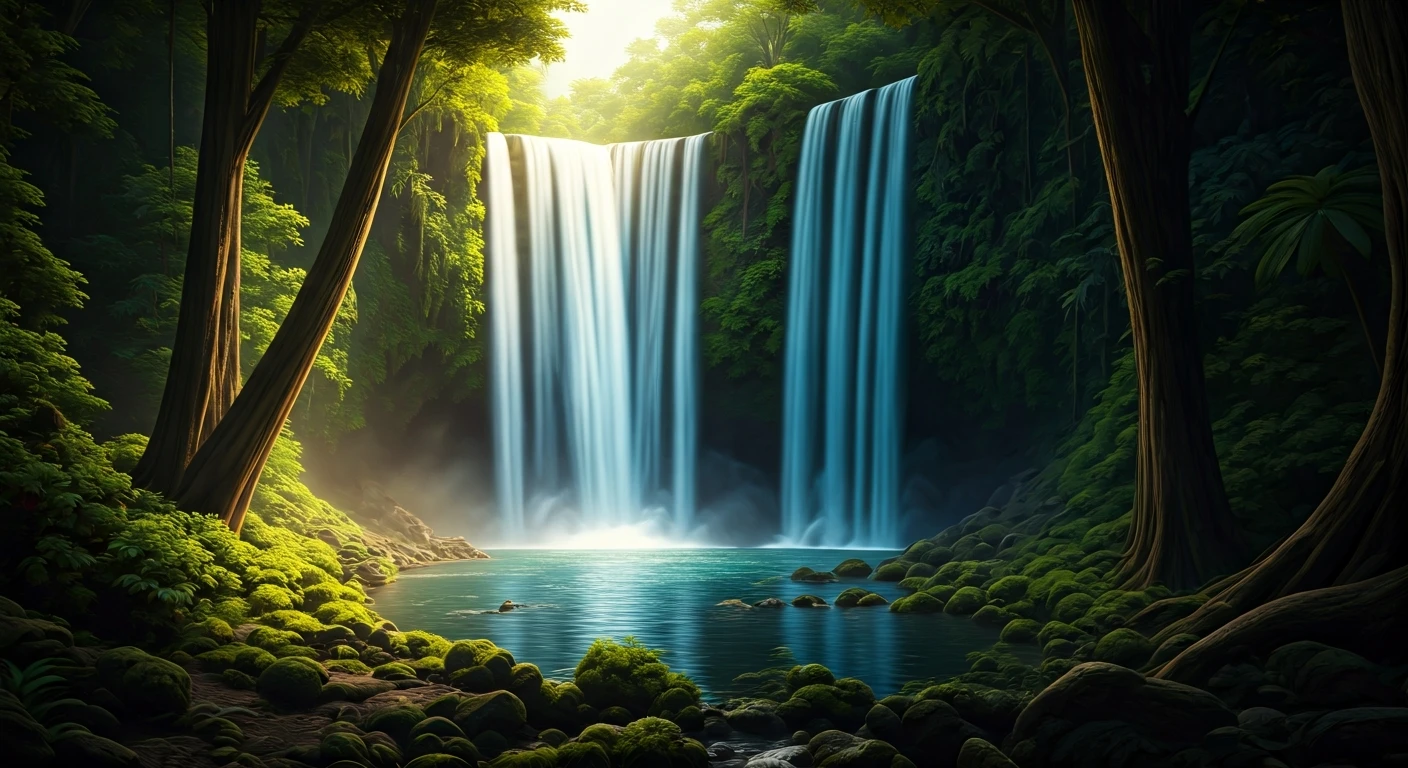
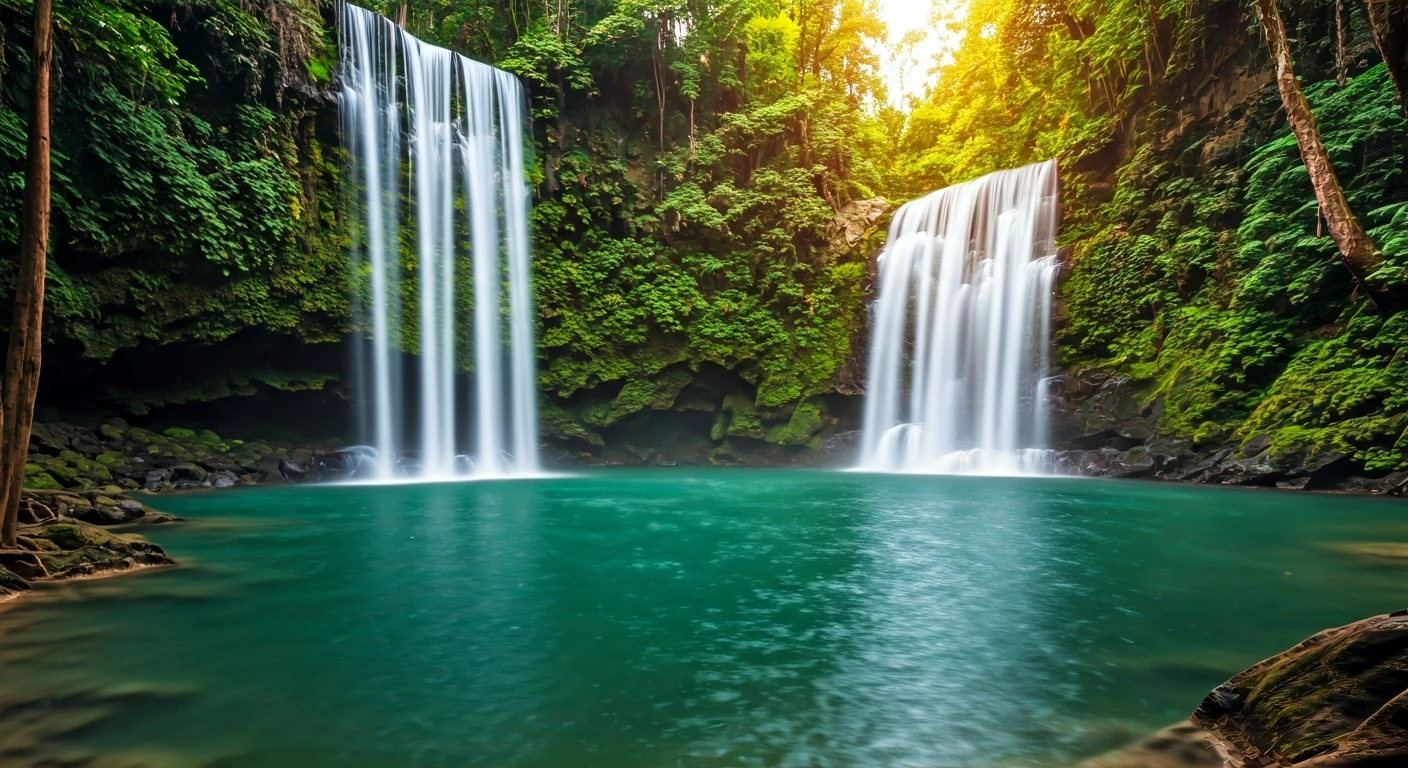
In a land of so much rain, waterfalls are not a rare sight—they are the main event. And they are spectacular. The most famous is Nohkalikai Falls, which holds the title of India’s tallest plunge waterfall. It’s a single, powerful torrent of water that drops over 1,100 feet from a verdant cliff into a turquoise pool below. Its beauty is matched by a somber local legend, adding a layer of dramatic storytelling to its visual power. Nearby, the Seven Sisters Falls (Nohsngithiang Falls) presents a different kind of spectacle: a wide, panoramic cascade of seven distinct streams flowing side-by-side down a limestone cliff face. During peak monsoon, the streams merge into a single, thundering curtain of water, its roar a testament to nature's raw force. Watching these falls, especially as clouds drift across the cliffs, feels less like observing a landscape and more like watching a beautifully directed scene in a high-budget nature documentary.
Bridges Grown, Not Built
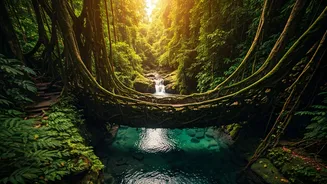
Perhaps nothing captures Meghalaya’s fantastical essence more than its living root bridges. These are not man-made structures in the traditional sense. For centuries, the indigenous Khasi and Jaintia peoples have guided the aerial roots of the rubber fig tree (Ficus elastica) across rivers and gorges, weaving them together until they form a strong, living bridge. It’s a process that takes 15 to 30 years, an incredible act of bio-engineering and generational patience. To walk across one is an unforgettable experience. The roots, gnarled and powerful, form a sturdy pathway underfoot, while green leaves sprout from the handrails. Some of these bridges are over a century old and only grow stronger with time. The most famous, the double-decker root bridge in the village of Nongriat, is a surreal, two-tiered marvel that seems pulled from the pages of a Tolkien novel. It is the perfect symbol of Meghalaya: a place where humanity works in breathtaking harmony with an already magical world.