


The New Calculus of Comfort
For decades, the air conditioner was the ultimate symbol of middle-class arrival in India. But with rising incomes came soaring energy bills and the strain of an often-unreliable power grid. This created a new calculus for homeowners. The question shifted
from 'Can I afford an AC?' to 'Can I afford to run it all summer?' This economic pressure has become a powerful catalyst for change. Homeowners are now actively seeking ways to keep their homes cool and comfortable without breaking the bank. It's less about purely altruistic environmentalism and more about a savvy, long-term investment in a better quality of life. This pragmatic foundation is what makes the trend so powerful and widespread, moving it from a niche concern to a mainstream priority.
From Appliance Stickers to Design Ethos
The groundwork for this shift was laid by a simple but brilliant government initiative: the Bureau of Energy Efficiency (BEE) star rating system. What began as a mandatory label on refrigerators and air conditioners has fundamentally altered consumer psychology. Indians are now conditioned to look for the stars—the more, the better. This 'star-consciousness' has expanded beyond appliances. It has created a generation of consumers who understand the concept of lifecycle cost and efficiency. Now, they are applying that same logic to their entire home. If a 5-star AC saves money, what about 5-star windows? Or a 5-star building orientation? The sticker has become a symbol for a much deeper ethos of smart, efficient living.
Architects as Efficiency Gurus
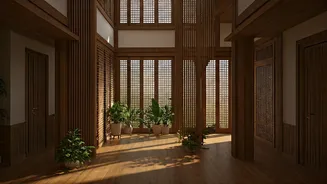
This consumer demand has empowered a new wave of Indian architects and interior designers. They are no longer just decorators; they are holistic problem-solvers. The new design language speaks of passive cooling, a modern take on centuries-old techniques. This includes maximizing cross-ventilation, using shaded balconies (verandahs), and incorporating interior courtyards that draw hot air up and out. Materials are also key. There's a renewed appreciation for locally sourced, thermally appropriate materials like terracotta, stone, and even high-tech insulated concrete blocks. Large, double-glazed windows are strategically placed to maximize natural light while minimizing heat gain, reducing the need for artificial lighting and air conditioning during the day.
The Smart Home Gets Practical
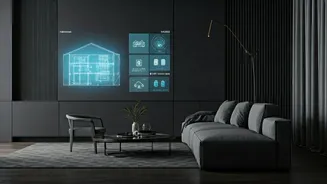
While the American smart home is often associated with convenience and entertainment, in India, it's being adopted with a sharp focus on efficiency. It’s not about telling Alexa to play a song; it’s about using an app to monitor your solar panel output or scheduling your water heater to run on cheaper, off-peak electricity. Automated blinds that close during the hottest part of the day, motion-sensor lights that ensure no room is lit unnecessarily, and smart thermostats that learn a family's living patterns are becoming popular features in new constructions and renovations. This isn't tech for tech's sake; it's a practical toolkit for managing a home’s energy appetite with precision.
An Aesthetic of Less, But Better
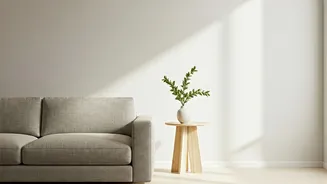
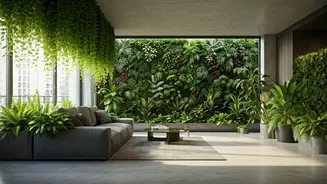
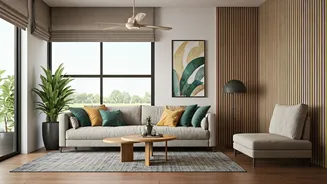
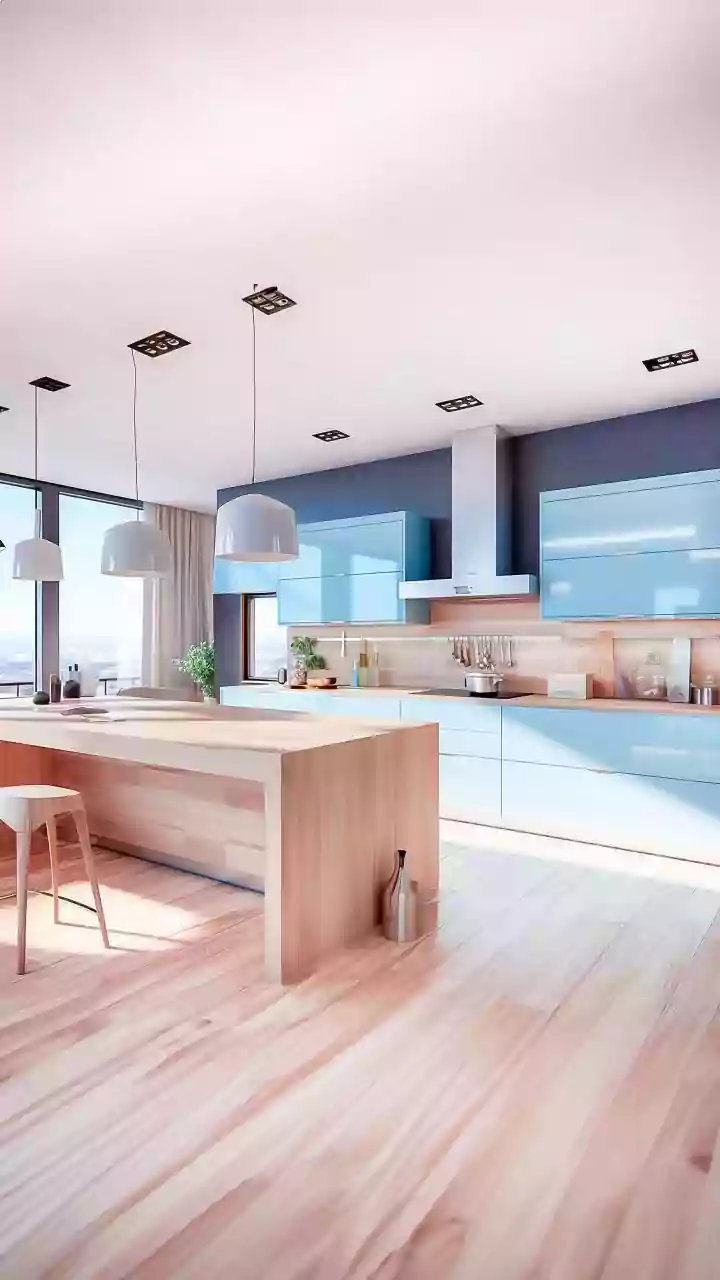
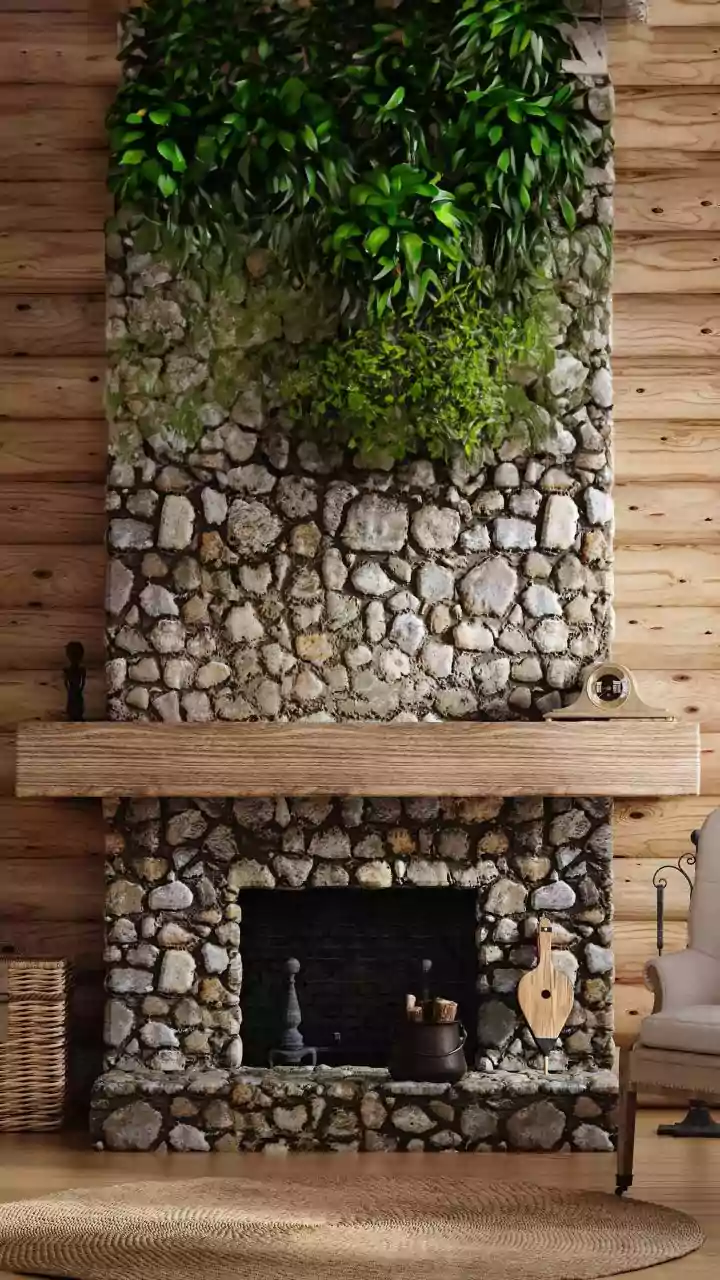
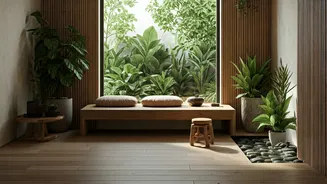
Crucially, this drive for efficiency is not resulting in homes that look sterile or spartan. Instead, it’s creating a new, sophisticated aesthetic. Energy-efficient LED lighting has untethered designers, allowing for creative, layered lighting schemes that are both beautiful and low-consumption. Sleek, high-performance windows become minimalist frames for outdoor views. The textures of natural, local building materials become the primary decorative element. The open, airy layouts required for good ventilation also create a sense of modern luxury. In this new paradigm, the most stylish thing a home can do is function intelligently. The clean lines, uncluttered spaces, and integration with nature are the visual payoff of a home designed to work smarter, not harder.