
The Landscape Is a Lush Escape
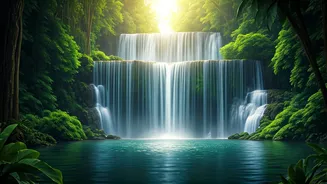
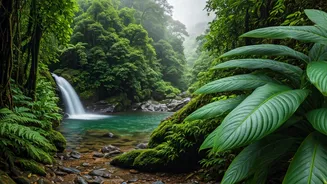
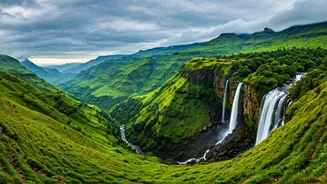
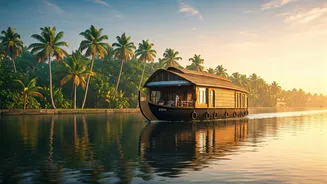
While North India has the Himalayas and vast plains, the South is defined by water and green. Picture this: you're on a traditional houseboat, gliding silently through the emerald backwaters of Kerala, a network of lagoons and canals fringed with palm
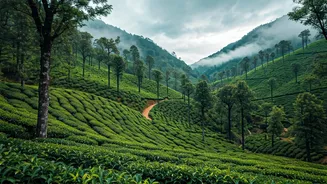
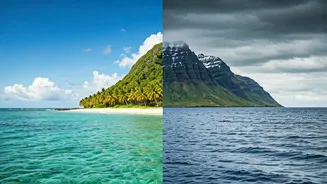
trees. Or you’re on the sun-drenched beaches of Goa, where the vibe is less about sightseeing and more about soaking in the salty air. Venture inland and you’ll find the misty, rolling hills of Munnar or Coorg, carpeted with fragrant tea and coffee plantations. This isn't just a backdrop for your photos; it’s an immersive, tropical environment that forces you to slow down and breathe.
The Food Is a Revelation
If you think Indian food is just naan and chicken tikka masala, South India will blow your mind. The cuisine here is a world apart, built on rice, lentils, coconut, and a dazzling array of spices. Start your day with a crispy, paper-thin dosa served with sambar and coconut chutney. For lunch, experience a 'thali'—a platter with a dozen small bowls offering a symphony of flavors from tangy to sweet to spicy. In the coastal regions of Kerala and Goa, the seafood is king, often cooked in rich, coconut-based curries. It’s lighter, often vegetarian-friendly, and profoundly flavorful in a way that feels both ancient and incredibly fresh.
History Feels Alive, Not Just Ancient
The history here is tangible and monumental. Forget simple monuments; we're talking about entire temple cities. In Tamil Nadu, places like Madurai and Thanjavur are home to sprawling Dravidian temple complexes covered in thousands of brightly colored, intricately carved sculptures of gods and goddesses. These aren't sterile museum pieces; they are active, living centers of faith where priests chant, incense hangs in the air, and pilgrims have gathered for centuries. You can wander through the ruins of Hampi in Karnataka, a former imperial capital with a landscape of giant boulders and stunning stone temples that feels like another planet. It’s history on a scale that is both humbling and awe-inspiring.
Wellness Is a Way of Life
Long before wellness was a billion-dollar industry in the West, it was an integral part of life in South India. This is the birthplace of Ayurveda, one of the world's oldest holistic healing systems. You can check into a dedicated Ayurvedic resort for a week of personalized treatments, massages, and specific diets designed to rebalance your body and mind. Or you can simply find a yoga shala in a place like Varkala or Mysore to deepen your practice. The entire region encourages a slower, more mindful approach to living, making it the perfect antidote to modern burnout.
The Pace Is Genuinely Relaxed
For many travelers, the most defining feature of the South is its pace. While cities like Mumbai and Delhi run on high-octane energy, life in the South generally moves at a more human speed. There’s less of the aggressive hassling found in some northern tourist hubs. People are often warm and welcoming but in a quieter, more reserved way. This laid-back atmosphere allows you to connect more genuinely with your surroundings, whether you’re watching a Kathakali dance performance in Kochi, sipping filter coffee in a Chennai cafe, or just enjoying the sunset over the Arabian Sea. It’s a trip that recharges you instead of exhausting you.