

An End to the Oppressive Heat
To understand the monsoon’s magic, you first have to understand the Indian summer. From April to early June, much of the subcontinent is gripped by a relentless, scorching heat. Temperatures regularly soar past 100°F (38°C), baking the landscape into
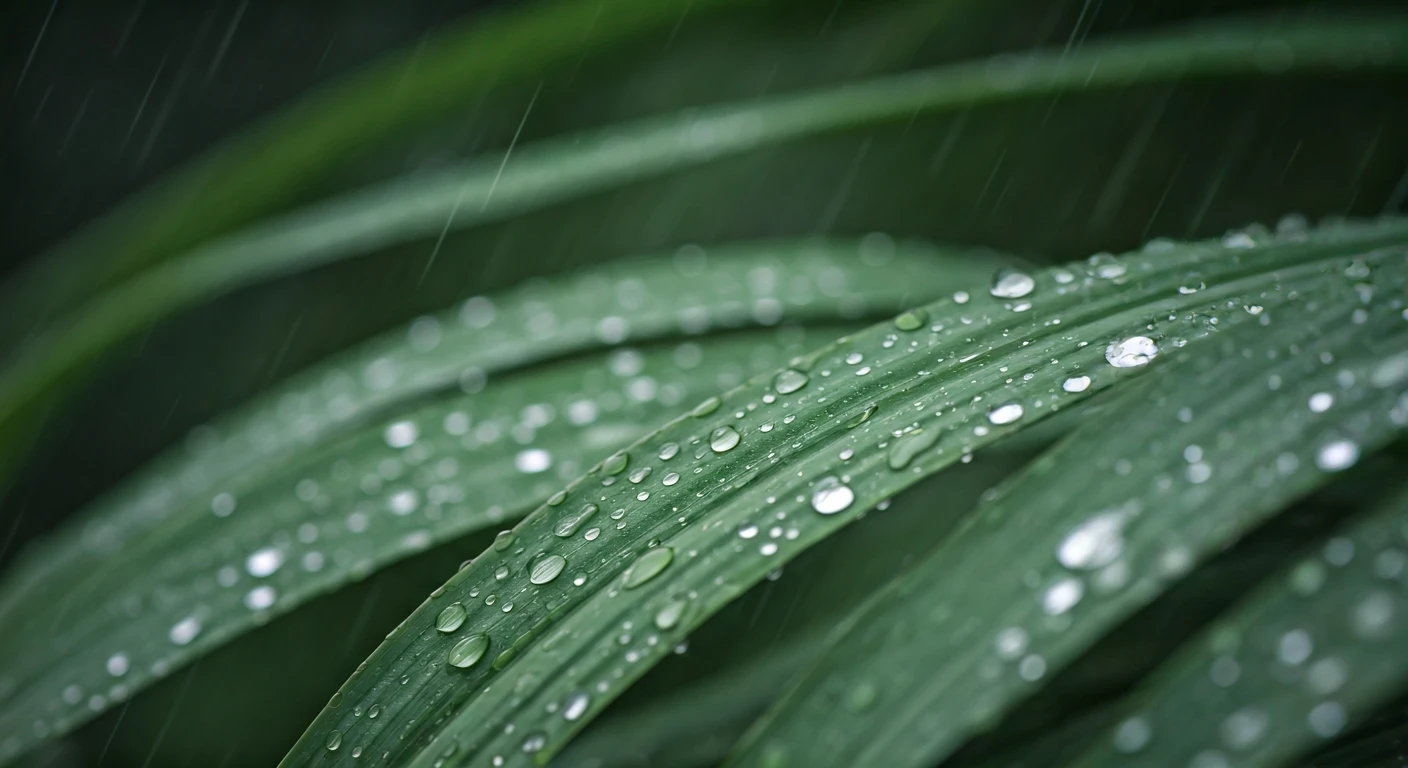
a dusty, brown canvas. Life slows down, people retreat indoors during the day, and a collective, nationwide prayer for relief seems to hang in the shimmering air. The arrival of the first monsoon showers is a dramatic, sensory explosion. The temperature can drop by 10-15 degrees in a matter of hours. The smell of the first rain hitting the parched soil—a scent so evocative it has its own name, petrichor—is a national perfume. This isn't just a weather change; it's a profound, physical release from months of oppressive heat, a collective sigh of relief that you can feel from the cities to the smallest villages.
The Landscape Becomes a Work of Art
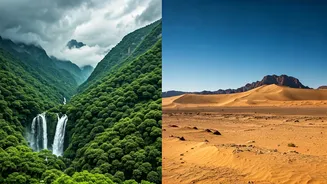
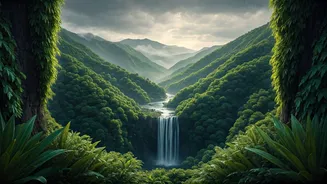
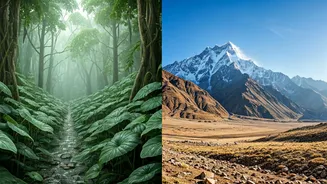
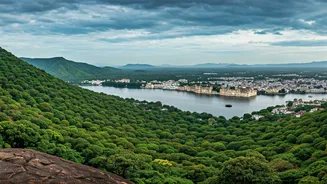
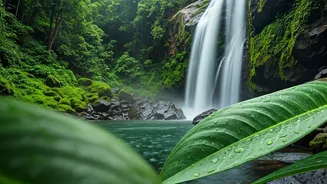
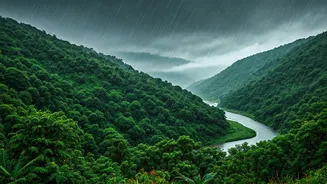
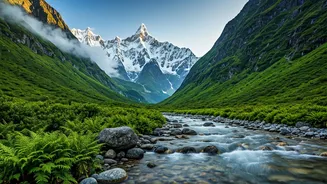
The most immediate and visually stunning effect of the monsoon is the transformation of the land itself. Within weeks, the dusty, beige-and-brown palette of summer is replaced by an impossible number of greens. Hillsides that were barren become carpeted in lush vegetation. Seasonal waterfalls, dormant and forgotten, roar back to life, cascading down the mountains of the Western Ghats in states like Maharashtra and Kerala. The famed backwaters of Kerala swell, creating a serene, watery world best explored by houseboat. In Rajasthan, a state known for its deserts, the monsoon fills the magnificent lakes of Udaipur, turning the “City of Lakes” into a romantic, misty paradise. For travelers, this means witnessing a country at its most vibrant and alive. It’s a photographer’s dream, where every view is saturated with color and life.
The Allure of the Off-Season
While international tourist season peaks during the cooler, drier winter months, the monsoon is a cherished secret for domestic travelers and in-the-know adventurers. This is India’s “green season,” which translates to fewer crowds at major monuments and natural sites. The experience becomes more intimate and authentic, allowing for a deeper connection with the place rather than jostling for a photo-op. The practical benefits are also significant. With lower demand, airlines, hotels, and resorts often offer substantial discounts. It’s a chance to experience luxury properties in stunning locations like Goa or the hills of Coorg for a fraction of the high-season price. Instead of packed beaches, you get moody, dramatic coastlines perfect for contemplative walks.
A Culture of Coziness and Comfort
The monsoon doesn’t just change the landscape; it changes the rhythm of life. It fosters a culture of coziness, often romanticized in Bollywood films and literature. The sound of rain on a tin roof is the backdrop for a specific kind of comfort. It’s the season of “chai and pakoras”—hot, spiced tea and deep-fried savory fritters—a culinary combination that is the unofficial taste of the Indian monsoon. It’s a time for curling up with a book by a window, watching the rain fall, or gathering with family and friends. This cultural mood makes travel during the monsoon feel particularly soulful. You aren't just observing India; you're participating in a shared, seasonal experience that’s deeply ingrained in the national psyche.
The Ideal Time for Wellness
In a fascinating blend of nature and ancient science, the monsoon is considered the best time for Ayurvedic treatments, especially in Kerala, the heartland of Ayurveda. According to traditional practitioners, the cool, moist, dust-free atmosphere during the monsoon makes the body more receptive to healing. The pores of the skin are open, and the body’s ability to absorb the medicinal oils and herbal treatments is at its peak. This makes it an ideal time for panchakarma, the signature Ayurvedic detoxification and rejuvenation therapy. For wellness-focused travelers, a trip to an Ayurvedic center during the monsoon is not just a vacation but a deeply restorative experience for both body and mind.