





The Festival Behind the Feed
So, what are you actually seeing? The viral clips originate from Raja Parba (pronounced ‘raw-jaw par-baw’), a vibrant three-day festival celebrated annually in mid-June in the eastern Indian state of Odisha. The name ‘Raja’ comes from the word ‘rajaswala,’
which means ‘menstruating woman.’ At its heart, this festival is a celebration of womanhood and the fertility of the Earth. It marks the symbolic menstruation of Bhudevi, the Mother Earth goddess, who is believed to rest and rejuvenate before the coming monsoon rains, which are essential for agriculture. For three days, all farming activities—plowing, sowing, digging—are suspended to avoid ‘hurting’ the resting Earth. It’s a beautiful, eco-centric tradition that honors the cycles of nature and femininity in a way that feels both ancient and radically modern.
A Holiday Celebrating Women and Rest
The respect shown to Mother Earth extends directly to the women of the community. During Raja Parba, women and unmarried girls are given a complete break from household chores like cooking and cleaning. Instead, their days are filled with celebration. They are encouraged to rest, play games, wear new clothes, and adorn themselves with traditional decorations. This isn't just a day off; it's a deeply ingrained cultural practice that elevates women and frames menstruation not as a taboo, but as a creative and sacred power worthy of celebration. In a world where menstruation is still stigmatized in many cultures, Raja Parba’s open and joyful embrace of this natural cycle is profoundly powerful. The festival provides a rare and cherished period of leisure, making it a highlight of the year for Odia women.
The Real Meaning of the Swings
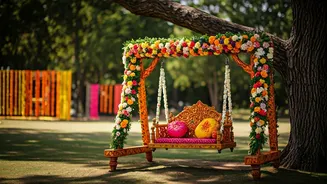
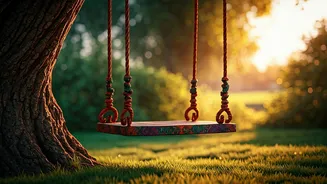
The most iconic and visually captivating element of the festival—the one taking over your social media—is the swing, or ‘Doli.’ Swings of all kinds, from simple rope swings on mango trees to elaborately decorated ones called ‘Ram Doli,’ are set up in villages and cities. The act of swinging has multiple layers of meaning. First, it represents joy, freedom, and the exuberance of life. Girls and women gather to swing, sing traditional songs, and revel in the festive atmosphere. Second, swinging keeps their feet off the ground, a symbolic gesture to avoid disturbing the resting Mother Earth. It’s a playful tradition with a deep ecological and spiritual reverence at its core. These swings, decorated with flowers and leaves, become the centerpiece of the celebration and create the picture-perfect moments that have captured global attention.
Feasting, Fashion, and Festive Fun
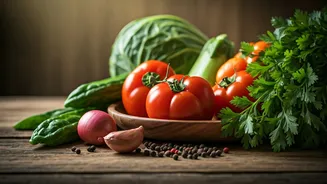
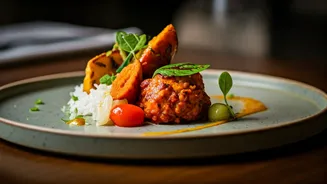
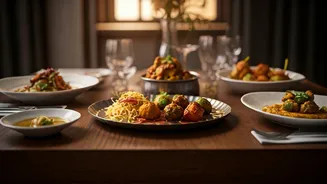
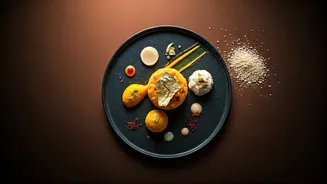
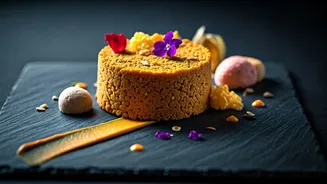
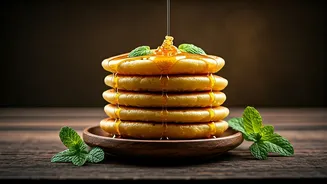
Raja Parba is a multi-sensory experience that goes far beyond the swings. Food is a major part of the festivities. A signature dish is ‘Poda Pitha,’ a slow-cooked cake made from rice flour, coconut, jaggery, and cardamom, which is prepared on the day before the festival begins. The aroma of this traditional delicacy fills the air in homes across Odisha. Families also enjoy a wide array of other cakes and savory dishes. Alongside feasting, participants play traditional indoor and outdoor games. Wearing new clothes and decorating feet with red dye (‘alta’) are other cherished customs. It’s a time for community bonding, where the pressures of daily life are set aside for pure, unadulterated celebration.
Why It's Resonating Across the Globe
The viral success of Raja Parba on platforms like Instagram is easy to understand on a surface level. The visuals are undeniably beautiful—the vibrant colors, the joyful faces, the rhythmic motion of the swings. It’s tailor-made for a visual medium. However, its resonance goes deeper. In an era of global conversations about female empowerment, wellness, and sustainability, a festival that has celebrated these very concepts for centuries feels incredibly relevant. It offers a positive, life-affirming perspective on menstruation, a topic often shrouded in silence or negativity. For a global audience, discovering Raja Parba is like unearthing a joyful secret: a tradition that finds harmony between humanity and nature, and celebrates women not in spite of their biology, but because of it.