






The Anti-Trend Trend
The single best fitness trend for the rest of us is the one we learned as toddlers: walking. Before you dismiss it as just a way to get from point A to point B, understand that walking is having a major renaissance. It’s being rediscovered and rebranded
not as a casual stroll, but as a powerful, versatile, and profoundly effective form of exercise. In an era of burnout, people are craving simplicity and sustainability. Walking is the perfect antidote to the “all or nothing” fitness mentality. It requires no special skills, minimal equipment, and can be done almost anywhere, by almost anyone, regardless of age or current fitness level. It’s the quiet, democratic superstar of the wellness world, hiding in plain sight.
More Than Just Steps
The benefits of a consistent walking routine are well-documented and astonishingly broad. For starters, it’s a cardiovascular powerhouse. A brisk walk elevates your heart rate, improving circulation, lowering blood pressure, and reducing the risk of heart disease. Unlike high-impact exercises like running, walking is gentle on your joints, making it a sustainable choice for the long haul. But the perks aren't just physical. Walking is a proven stress-reducer. The rhythmic motion can be meditative, helping to clear your mind and decrease anxiety. A walk outdoors exposes you to natural light, which boosts vitamin D and helps regulate sleep cycles. Studies have even linked regular walking to enhanced creativity and cognitive function. It’s not just exercise; it's moving meditation with a host of metabolic benefits.
How to Elevate Your Walk
The beauty of walking is its scalability. A beginner can start with ten minutes around the block, while a seasoned athlete can use it for active recovery or serious endurance training. If you’re ready to turn your walk into a more structured workout, here are three ways to level up. 1. **Find Your Zone 2:** This is the sweet spot for building endurance and metabolic health. Zone 2 is a pace where you can still hold a conversation but might be slightly breathy. You’re working, but you’re not gasping for air. Aim for 3-4 sessions of 45-60 minutes in this zone per week. It’s surprisingly effective for improving fitness without causing excess stress on the body. 2. **Add Some Weight (Rucking):** Popularized by the military, “rucking” is simply walking with a weighted backpack or vest. It combines cardio and strength training, engaging your back, core, and legs more intensely. You can start with just 10-15 pounds and gradually increase the weight as you get stronger. It torches calories and builds functional, real-world strength. 3. **Play with Intervals and Inclines:** Break up the monotony and challenge your body by varying your pace and terrain. Try walking at a brisk pace for two minutes, then a slower recovery pace for one minute. If you’re on a treadmill or live in a hilly area, incorporate inclines to engage your glutes and hamstrings and send your heart rate soaring.
Your No-Excuses Guide
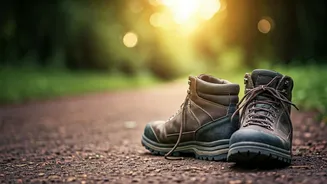
The biggest barrier to starting a new fitness routine is often overthinking it. With walking, the barrier to entry is virtually nonexistent. All you truly need is a comfortable pair of shoes. You don’t need a special outfit, a pricey gadget, or a gym membership. Start small. Commit to a 15-minute walk on your lunch break or after dinner. The key is consistency. Find a time that works for your schedule and stick with it. Listen to a podcast, call a friend, or simply enjoy the silence. Don’t worry about speed or distance at first; just focus on the habit of getting out the door. Once the habit is formed, you can begin to explore different techniques, longer routes, and new challenges. But it all starts with that first, simple step.