

The Backlash Against the Beige
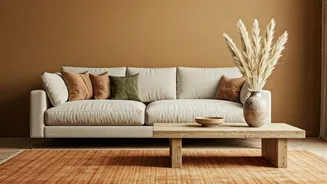
Remember the era of the all-gray-everything interior? For the better part of a decade, the pinnacle of home design was a space that looked like it had been plucked directly from a high-end furniture showroom. Think vast, open-plan living rooms with crisp
white walls, greige sofas, and a few meticulously chosen (and usually brand-new) decorative objects. This aesthetic, heavily promoted on HGTV and early Instagram, sold a vision of aspirational flawlessness. It was clean, uncluttered, and, in theory, calming. The problem? For many, it began to feel sterile, impersonal, and frankly, a little boring. Living in a showroom means you’re always worried about messing it up. That spill on the pristine sofa or the kids’ art project on the minimalist coffee table feels less like life happening and more like a violation of the room’s core identity. This pressure to maintain perfection has led to a collective design fatigue, sparking a quiet rebellion in favor of something with a little more soul.
The Comfort of Things with a Story
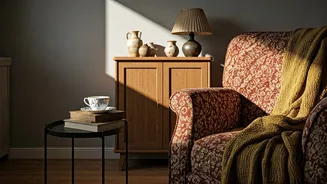
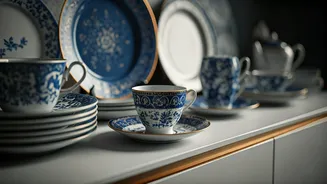
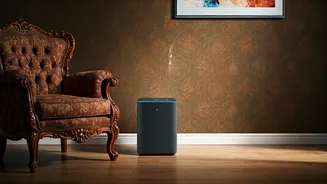
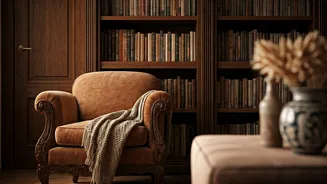
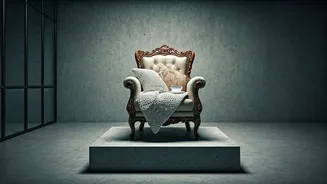
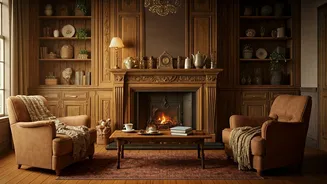
Enter the nostalgic interior. This isn’t one single style, but a broader movement that prioritizes personal history and emotional connection. It’s the design equivalent of comfort food. After years of global uncertainty and spending more time at home than ever, we’re craving spaces that feel like a hug. Nostalgia delivers. A room filled with inherited furniture, thrifted treasures, and meaningful collections tells a story. That slightly-worn armchair from your grandfather’s study or the mismatched plates you found at a flea market have a history and a warmth that a brand-new, mass-produced item simply can’t replicate. This approach, sometimes called “dopamine decorating,” focuses on surrounding yourself with things that genuinely make you happy. Instead of adhering to a strict color palette, you’re guided by joy, memory, and personal taste. The result is a home that feels uniquely yours, not like a carbon copy of a Pinterest board.
What Nostalgic Style Looks Like
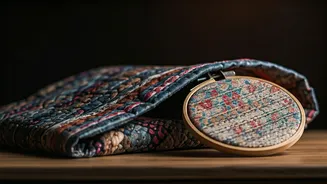
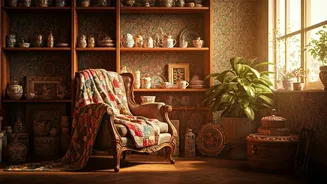
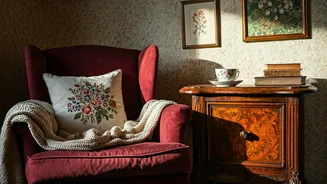
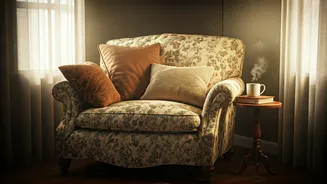
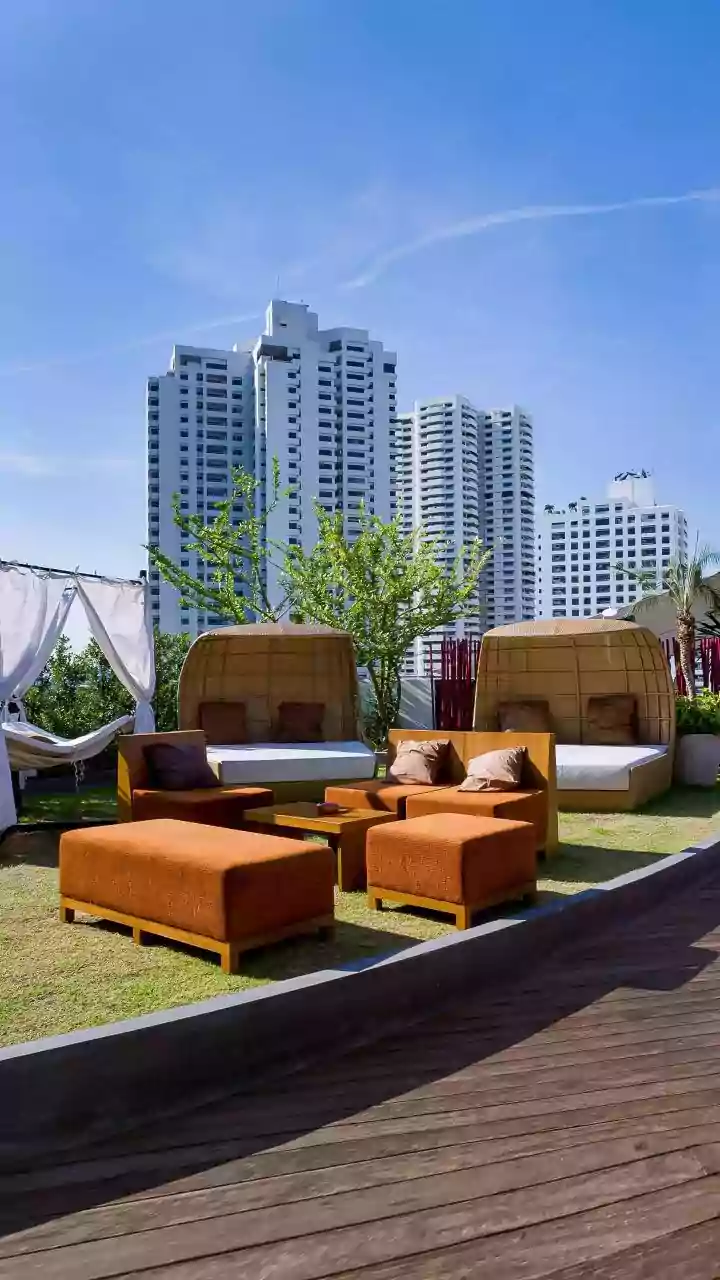
The beauty of this trend is its diversity. For some, it manifests as “Grandmillennial” or “Granny Chic”—a loving embrace of floral chintz, ruffled upholstery, needlepoint pillows, and dark wood furniture that our grandparents adored. It’s a cozy, layered look that rejects modernism’s hard edges. For others, it’s a dive into a 70s revival, with its earthy color palettes of rust and avocado, curved silhouettes, and an abundance of natural materials like rattan and macramé. We’re also seeing a rise in “cluttercore,” a maximalist celebration of collecting and displaying objects you love, turning walls and shelves into a vibrant tapestry of your life and interests. The common thread isn’t a specific decade or aesthetic, but the method of acquisition. These rooms are built over time, piece by piece, from travels, family hand-me-downs, and serendipitous vintage finds, rather than a single shopping trip to a big-box store.
A Push for Authenticity and Sustainability
Ultimately, the shift toward nostalgic interiors is about more than just aesthetics; it’s a cultural pushback. In an age of algorithms that promote the same trends to everyone, creating a home filled with unique, pre-loved items is a radical act of individuality. It asserts that your personal story is more interesting than a fleeting trend. This movement is also inherently more sustainable. By choosing to decorate with vintage, secondhand, or inherited pieces, people are opting out of the cycle of fast furniture, reducing waste, and giving well-made items a second life. A beautifully crafted piece from the 1960s has already proven its durability. In a world grappling with its consumption habits, designing with the past isn’t just nostalgic—it’s a conscious, forward-thinking choice. It proves that a home can be both a reflection of where you’ve been and a responsible step toward the future.