






1. The 'Coolcation': Escaping the Summer Swelter
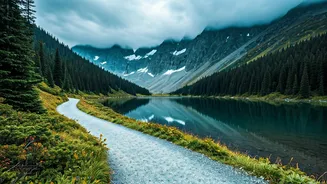
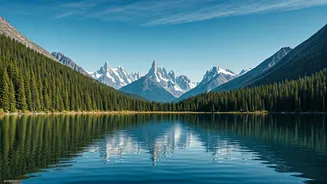
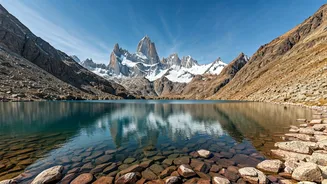
As summer temperatures climb to unbearable highs in many traditional vacation spots, a new type of trip is gaining traction: the 'coolcation.' Instead of flocking to the Mediterranean or the Caribbean in July, travelers are seeking refuge in places with
reliably mild, pleasant summers. Think highs in the low 70s, gentle breezes, and no need for round-the-clock air conditioning. This isn't about avoiding the sun; it's about enjoying the outdoors without the risk of heat exhaustion. Destinations in the Pacific Northwest, like Oregon’s coast or Washington’s San Juan Islands, are becoming prime real estate for summer travelers. Similarly, Northern Europe—think Denmark, Sweden, or the coast of Ireland—offers a perfect antidote to a sweltering season elsewhere, promising long, light-filled days without the oppressive humidity.
2. The Shoulder Season Sweet Spot
The secret has long been out about shoulder season—those magical spring and fall months that flank the summer peak. But what’s new is how travelers are using it with surgical precision to guarantee perfect weather. It’s no longer just about fewer crowds and lower prices; it’s about hitting a destination at its absolute climatic peak. Imagine the Greek Islands in September, when the sea is still bathtub-warm but the scorching August sun has mellowed into a golden glow. Or consider Japan in October, after the typhoon season has passed, leaving crisp air, comfortable temperatures, and the first hints of autumn foliage. This approach turns travel planning into a strategic exercise in climate optimization, ensuring every day is primed for exploration.
3. The Guaranteed Winter Wonderland
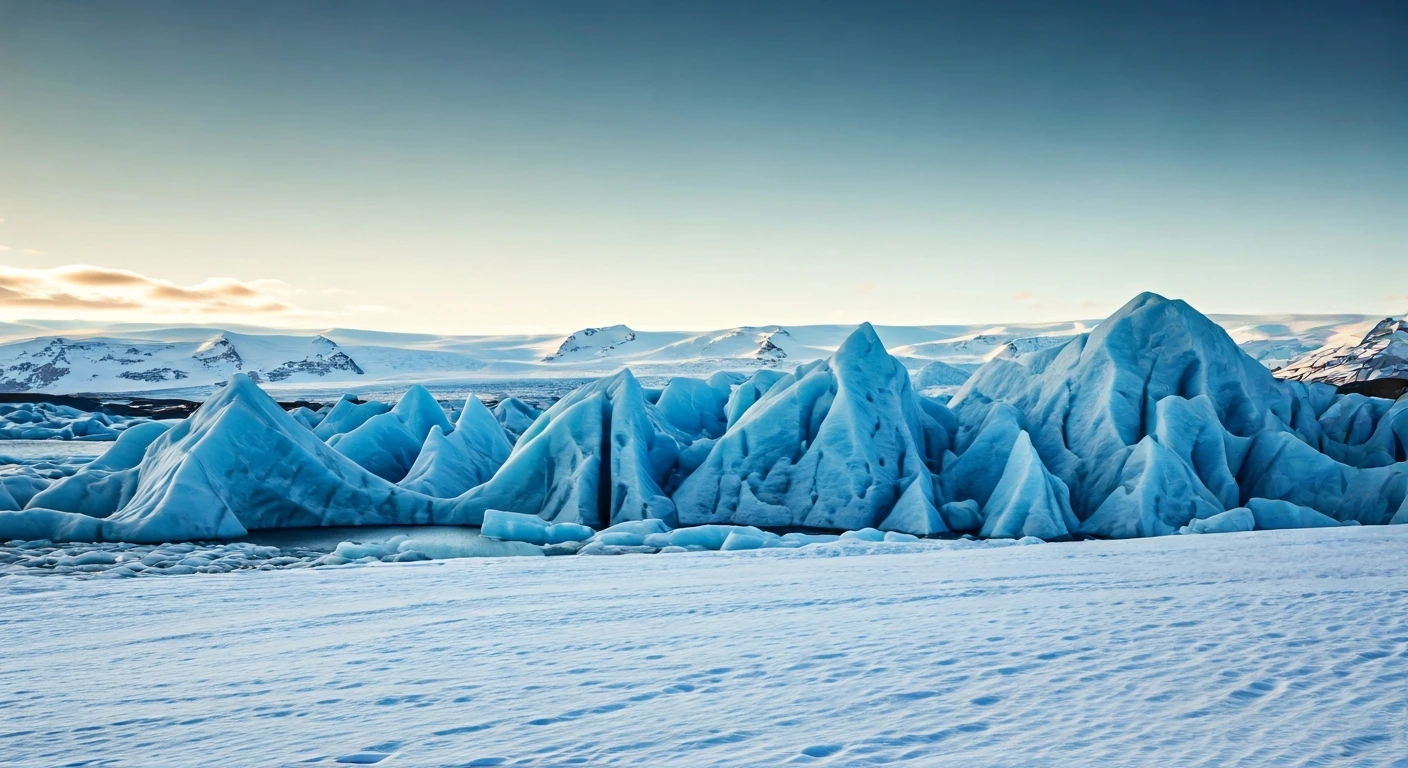
For many parts of the U.S., a white Christmas is more of a nostalgic song than a meteorological reality. Climate change has made winter weather increasingly unpredictable, with rain and unseasonable warmth ruining the cozy fantasy. In response, travelers who crave a true winter experience are heading to places where snow is a near-certainty. These aren’t just ski trips. People are booking getaways to embrace the full spectrum of winter: snowshoeing, ice-skating on frozen lakes, and warming up by a fire. Cities like Quebec City in Canada offer a fairy-tale European winter vibe with reliable snowfall, while destinations in the American Rockies, like Jackson Hole, Wyoming, deliver a rugged, snow-covered landscape. It’s about securing the seasonal atmosphere that’s becoming so elusive at home.
4. The Dry Season Seeker
In the tropics, the conversation isn't about hot versus cold, but wet versus dry. For decades, savvy travelers have planned trips to tropical destinations around the rainy season. Now, with weather patterns becoming more intense, avoiding the deluge is more critical than ever. A trip to Costa Rica, for example, is an entirely different experience during the 'green season' (the rainy months) than during the blissful, sun-drenched dry season, which typically runs from December to April. This type of weather-led planning is about maximizing your time outdoors, whether you’re hiking in a rainforest, lounging on a beach in Thailand, or exploring ruins in Peru. It’s a simple calculation: more sunshine and less rain equals a better vacation.
5. The Strategic Sun Worshipper
The classic beach vacation isn’t going anywhere, but the timing is getting a strategic rethink. Instead of blindly booking a trip to Florida or the Caribbean during the fall, travelers are becoming hyper-aware of hurricane season and peak humidity. This has led to a rise in popularity for destinations with more stable, arid climates that still deliver on sun and sand. The Canary Islands, for instance, are a favorite among Europeans for their year-round spring-like weather, offering a warm escape without the intense humidity or storm risk of the tropics. Likewise, Southern California’s desert-adjacent beaches provide a reliable dose of Vitamin D. This is sun-chasing, but with a defensive, risk-management mindset.