




Make a Flavor-Packed Scrap Stock
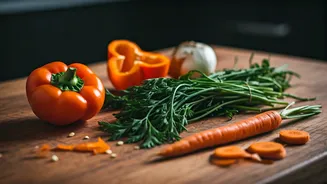
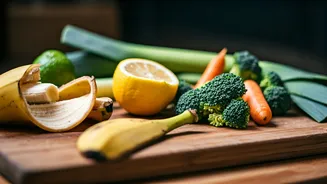
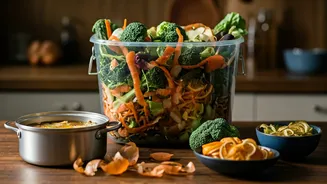
This is the classic, can’t-miss way to give your vegetable scraps a second life. Keep a large freezer bag or container labeled “Stock Scraps.” Every time you cook, toss in the clean ends of onions, carrot peels, celery butts, mushroom stems, parsley stems, and
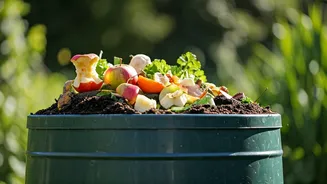
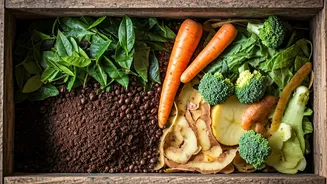
leek tops. Avoid cruciferous vegetables like broccoli or cabbage, as they can make your stock bitter. Once the bag is full, simply empty it into a large pot, cover with water, add a bay leaf and some peppercorns, and simmer for at least an hour (or longer for a richer flavor). Strain the liquid, discard the now-flavorless solids in your compost, and you have a delicious, free vegetable stock for soups, risottos, or cooking grains. It’s a foundational kitchen habit that drastically cuts down on waste and adds incredible depth to your cooking.
Brew a Nutrient-Rich Tea for Your Plants
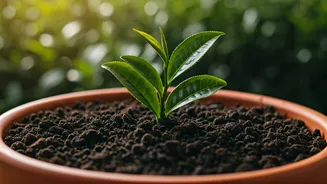
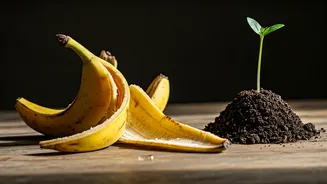
Your houseplants and garden can benefit directly from your banana habit. Instead of tossing the peel, you can use it to create a nutrient-rich fertilizer. Banana peels are a good source of potassium and contain phosphorus and calcium, all of which are beneficial for plant growth, especially for flowering and fruiting plants like tomatoes or roses. The simplest method is to chop up a peel and bury it in the soil near the base of a plant. For a liquid fertilizer, submerge a few banana peels in a jar of water and let it sit for a few days. The water will absorb some of the nutrients. Discard the peels and use this “banana tea” to water your plants every few weeks. It’s a gentle, natural way to give them a boost without using chemical fertilizers.
Infuse Oils and Vinegars
Give your pantry a gourmet upgrade with scrap-infused vinegars and oils. The sturdy stems from herbs like rosemary and thyme, which you might otherwise discard, are perfect for this. Simply drop a few clean, dry stems into a bottle of olive oil or white wine vinegar. Let it sit in a cool, dark place for a week or two, giving it a gentle shake every few days. The same technique works wonders with citrus peels. Use a vegetable peeler to get wide strips of peel from lemons, oranges, or limes (avoiding the bitter white pith), and add them to your bottle. The result is a custom-flavored ingredient perfect for salad dressings, marinades, or simply for dipping bread.
Create a Gentle, Natural Polish
This trick sounds like an old wives’ tale, but it actually works. The inside of a banana peel can be used as a gentle polisher for a few common household items. The potassium in the peel is the key ingredient. For a quick, chemical-free shine on your leather shoes, rub the white side of the peel over the surface, then buff it with a soft cloth. It won't replace a deep conditioning, but it's great for a fast touch-up. You can also use it to wipe down the leaves of your dusty houseplants. It gently removes grime and leaves them with a healthy, natural-looking sheen without clogging their pores.
Whip Up Some Candied Citrus Peels
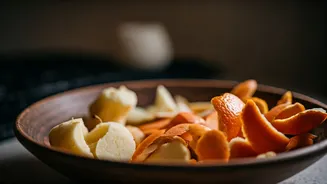
Turn a common kitchen castoff into a genuinely delicious treat. Candied citrus peels—often from oranges, lemons, or grapefruit—are a fantastic way to practice nose-to-tail cooking with fruit. The process involves simmering the peels in water to soften them and remove some of their bitterness, then simmering them again in a simple syrup of sugar and water until they become tender and translucent. Once they’re done, you can roll them in granulated sugar and let them dry. These sweet, chewy morsels are fantastic on their own, chopped up and added to scones or muffins, dipped in melted dark chocolate, or used as a beautiful garnish for cocktails and desserts. It's a simple project that transforms trash into treasure.