




The Myth of the Relaxing Beach
Picture the perfect beach day. You’re probably imagining a wide-open expanse of pristine sand, the gentle lapping of turquoise waves, and a quiet spot just for you. Now, picture the reality at most popular U.S. beaches in July: circling for 45 minutes
to find a parking spot that costs more than your lunch, navigating a dense maze of umbrellas and screaming children to find a sliver of available sand, and standing in a line ten-deep for a lukewarm hot dog. The traditional beach vacation has been sold to us as the pinnacle of relaxation, but for many, it’s a high-stress, high-stimulus environment. It’s less about unwinding and more about competing—for space, for quiet, for service. The background noise isn’t the gentle surf; it’s a chaotic mix of competing Bluetooth speakers, frantic parents, and the relentless drone of a crowd.
The Science of Green Is Real
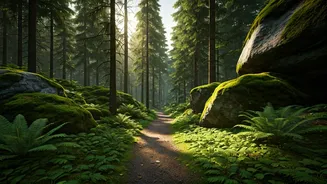
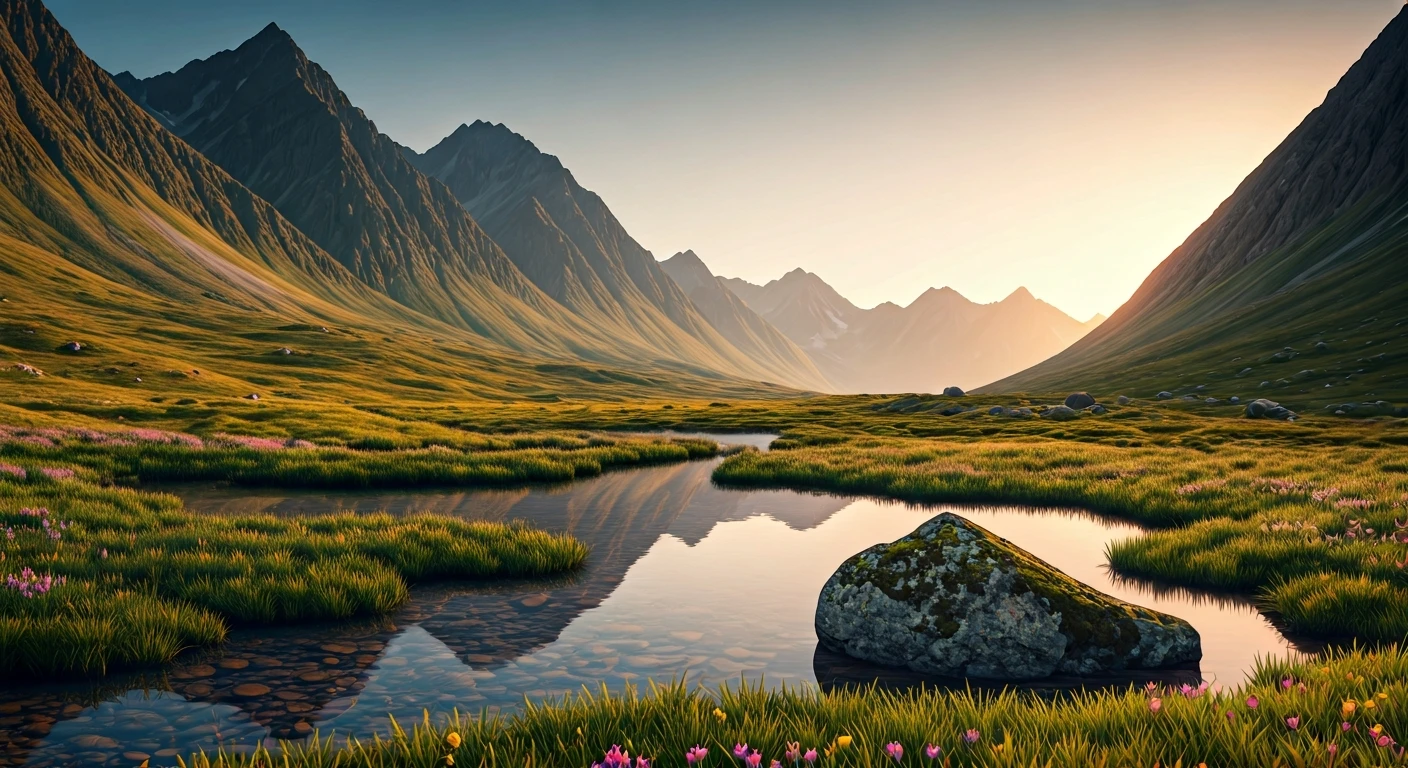
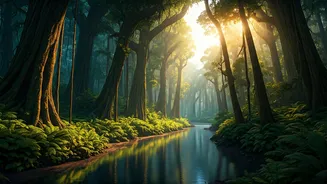
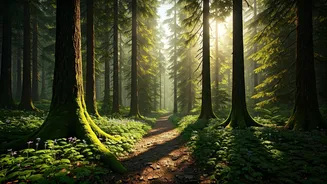
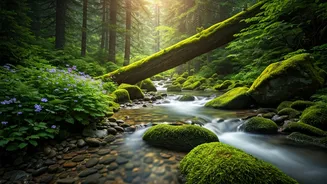
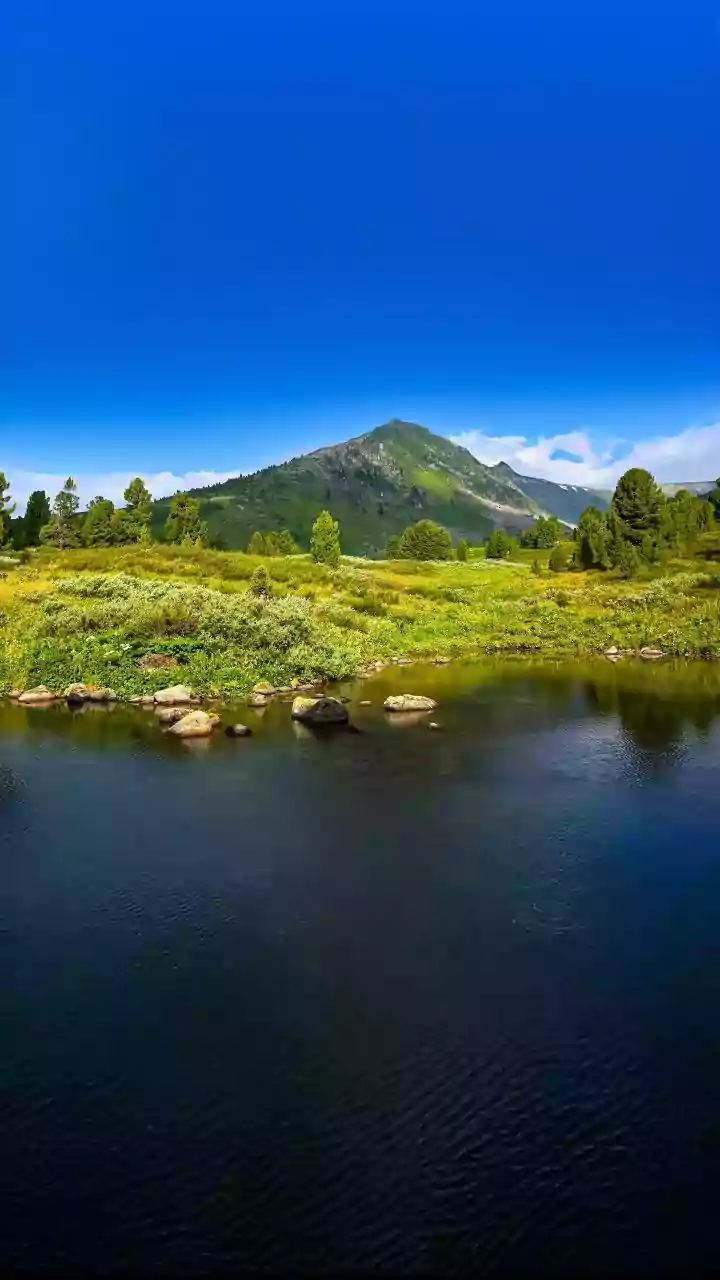
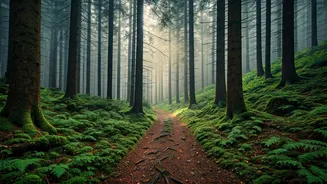
Contrast that beach chaos with the experience of being in a forest, on a mountain trail, or by a quiet lake. The difference isn’t just anecdotal; it’s backed by a growing body of scientific evidence. Researchers have long studied the “biophilia hypothesis”—our innate tendency to seek connections with nature. Spending time in green spaces has been shown to lower cortisol (the stress hormone), reduce blood pressure, and improve focus. The Japanese practice of *shinrin-yoku*, or “forest bathing,” is built entirely on this principle: immersing yourself in the woods isn't just a pleasant walk, it's a form of preventative medicine. The sounds of a forest—wind through leaves, birdsong, a babbling brook—are naturally restorative, operating at frequencies that promote calm. A beach is an environment of overwhelming sensory input; a forest is one of immersive, healing sensory input.
Trading Social Anxiety for Solitude
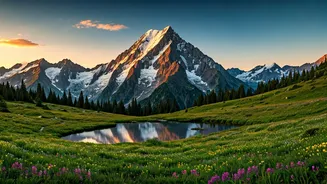
Beyond the physical environment, there’s a social component. A packed beach is an exercise in navigating social friction. You’re hyper-aware of your neighbors, of the sand being kicked onto your towel, of the sheer volume of humanity around you. It can trigger a low-grade social anxiety that is the complete opposite of restorative. In contrast, a “green” vacation offers the gift of solitude and space. On a hiking trail, you can walk for an hour and see only a handful of people, exchanging a simple nod instead of jostling for position. You aren’t performing relaxation for an audience; you’re actually experiencing it. This space allows for introspection and a mental reset that’s nearly impossible when you’re packed elbow-to-elbow with thousands of other vacationers.
A Deeper, More Lasting Reset
Ultimately, the choice comes down to what you’re seeking from a vacation. If you want a party, a vibrant social scene, and constant activity, a popular beach town might deliver. But if you’re seeking genuine rest—a true unwinding of the mind and body from the pressures of modern life—the chaotic beach is a poor substitute for the tranquility of nature. A beach trip often leaves you feeling like you need a vacation from your vacation. You return sunburnt, tired from the travel and the crowds, and with a thinner wallet. A trip into the mountains, a cabin by a lake, or even just a few days exploring a national park offers a different kind of ROI. It’s a deeper reset that recalibrates your nervous system, clears your mind, and provides a sense of perspective that’s hard to find when your biggest challenge is defending your patch of sand.