






1. Check Your Tires, Your First Defense
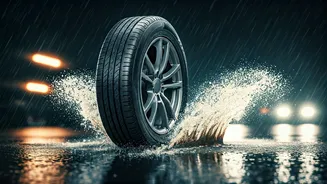
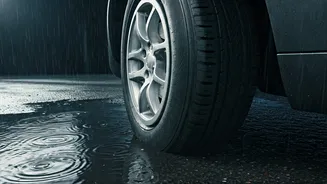
Your tires are the only part of your car that touches the road, and their condition is paramount in the rain. The primary danger is hydroplaning, where a layer of water builds between the tire and the road surface, causing a loss of traction and control.
The key to preventing this is adequate tread depth. The grooves in your tires are designed to channel water away. When they're worn down, they can't do their job. A simple way to check is the classic 'penny test.' Insert a penny into your tire's tread with Lincoln's head upside down. If you can see the top of his head, your treads are too shallow (below 2/32 of an inch) and it's time for new tires. Also, ensure your tires are inflated to the pressure recommended by your vehicle’s manufacturer, which can be found on a sticker inside the driver's door jamb.
2. Inspect Your Wiper Blades
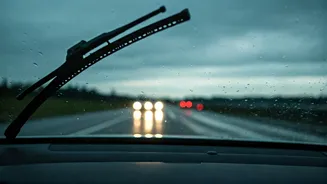
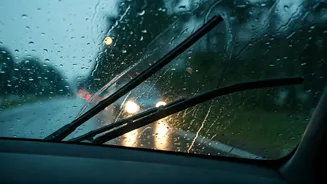
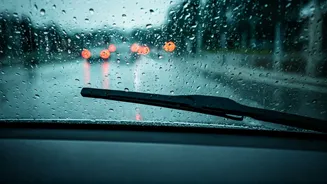
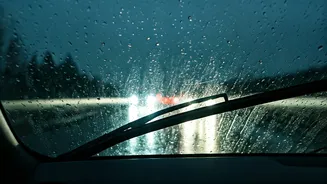
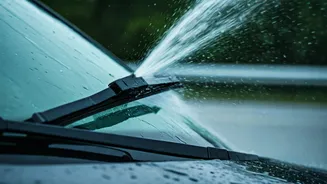
If you can't see, you can't drive safely. It's a simple truth that many drivers forget until they're caught in a deluge with streaky, squeaking wipers. Wiper blades are made of rubber, which degrades over time due to sun exposure and use. Signs of wear include cracking, splitting, or a chattering sound as they move across the glass. If your wipers leave streaks or smears behind, their effectiveness is compromised. Most experts recommend replacing your blades every six to twelve months. It's an inexpensive and easy DIY job that makes a world of difference. While you're at it, top off your windshield washer fluid. You'll need it to clear away the road grime that gets kicked up onto your windshield in wet weather.
3. Test All Exterior Lights
In a storm, being seen is just as important as seeing. Walk around your vehicle and check that all your lights are functioning properly: headlights (both high and low beams), taillights, brake lights, and turn signals. A burnt-out bulb can drastically reduce your visibility to other drivers, especially in low-light, rainy conditions where water spray can obscure vehicles. Many states have laws requiring headlights to be on when wipers are in use, so this check is about both safety and legal compliance. Over time, headlight lenses can become cloudy or yellowed from UV exposure, reducing their brightness. If yours are looking foggy, consider using a headlight restoration kit or visiting a professional to have them cleaned and polished.
4. Listen to Your Brakes
While you can't visually inspect your brake pads as easily as your tires, you can pay attention to how they feel and sound. Do you hear a high-pitched squeal when you apply the brakes? That's often the sound of the built-in wear indicator telling you it's time for a replacement. Does the car pull to one side when you brake, or does the pedal feel spongy or soft? These are red flags that your braking system needs immediate attention from a qualified mechanic. Wet roads increase stopping distances, so having a fully functional braking system is non-negotiable. Don't put off a brake inspection if you suspect something is wrong.
5. Use Your AC to Defog Windows
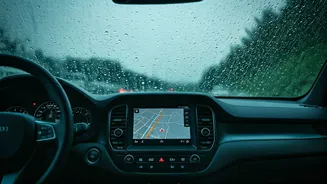
One of the most frustrating and dangerous aspects of driving in the rain is a fogged-up interior windshield. This happens when the moisture-laden air inside the car condenses on the cooler glass. Many drivers blast the heat, but there's a better way. Turn on your car's air conditioning system, even if it's cold outside. The AC acts as a dehumidifier, pulling moisture out of the cabin air much faster than heat alone. Most modern cars with a 'defrost' setting automatically engage the AC for this reason. For best results, direct the vents toward the windshield and turn up the fan speed. A clear view is a safe view.