




The New Sunday Service
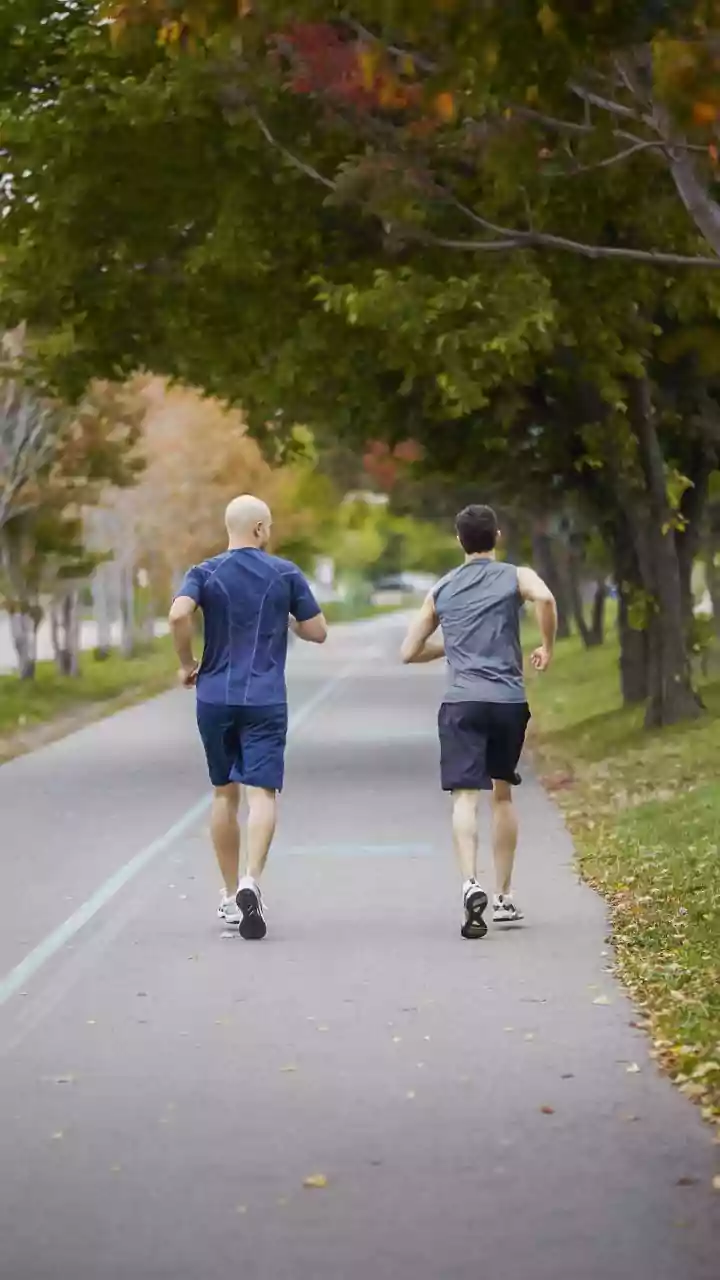
Across cities like New York, Los Angeles, and Chicago, a new weekend ritual is taking hold. Long before the brunch crowds form, hundreds of people gather in parks and on street corners. The vibe is electric—a mix of pre-race jitters and friendly reunion.
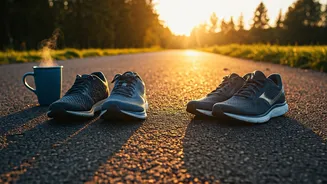
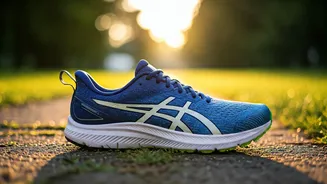
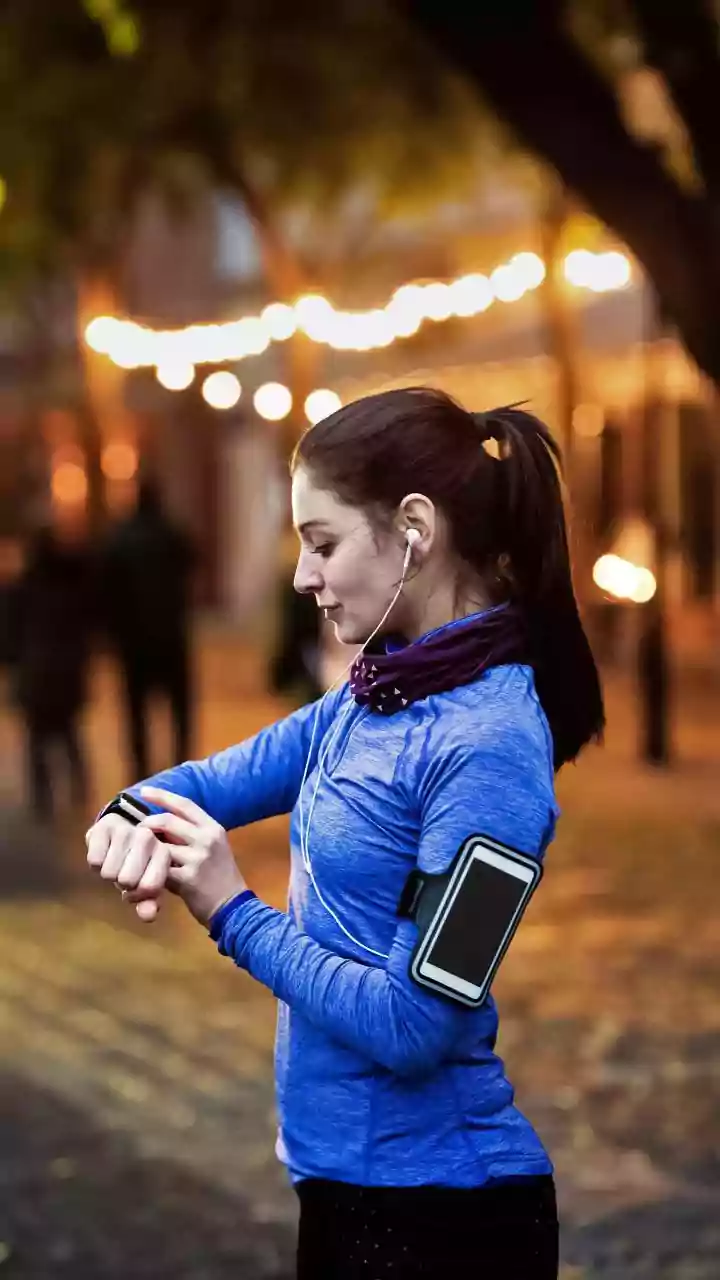
This is the modern running club, and it looks very different from the hyper-competitive track teams of the past. These gatherings are less about personal bests and more about collective experience. Runners of all abilities, decked out in gear from trendy brands like On, Hoka, and Satisfy Running, chat over pre-run coffees before setting off in packs. The run itself is a moving conversation, a shared effort through quiet city streets. But the main event often happens after the last mile is logged. The group congregates at a local coffee shop or park, creating a vibrant social scene that can last for hours. It's a workout, a social hour, and a community hub rolled into one, replacing the traditional Sunday paper or boozy brunch as the weekend’s anchor event.
More Than Just Miles
So, why the sudden surge in social running? The trend is a direct response to a few powerful cultural currents. The pandemic accelerated a collective focus on wellness and mental health, with running emerging as one of the most accessible outlets for stress relief. But after months of solitary jogs, people began craving connection. Running clubs provide a perfect solution: a structured, healthy way to meet people and build community outside of work or the bar scene. For many, especially Millennials and Gen Z, these clubs serve as a “third place”—a term for social environments separate from home and the workplace. With participation in traditional community institutions like religious services and local volunteer groups declining, run clubs offer a low-barrier, inclusive alternative. There’s no doctrine, just a shared interest. This provides a sense of belonging and accountability that’s hard to find elsewhere, turning a solitary pursuit into a team sport where the only goal is showing up.
The Social (Media) Currency
The headline’s use of “flex” is no accident. In an age of curated digital identities, the running club has become a powerful, positive status symbol. A sweaty, smiling group photo posted on Instagram is a declaration: I’m healthy, I’m social, I’m disciplined, and I have a community. It’s an aspirational signal that feels more authentic and earned than a picture of a fancy meal or a luxury purchase. Platforms like Strava, a social network for athletes, amplify this effect, allowing members to share their routes, give “kudos” on each other’s runs, and track collective progress. This digital layer reinforces the real-world community, creating an ongoing conversation that keeps members engaged throughout the week. The aesthetic matters, too. The stylish gear, the scenic routes, and the photogenic post-run lattes all contribute to a narrative of a life well-lived. It’s a flex, but it’s a wholesome one rooted in effort and connection.
From Niche to Mainstream
What started as a niche phenomenon in creative urban hubs has now gone mainstream, with brands scrambling to get involved. Footwear and apparel companies sponsor clubs, providing free gear, hosting events, and using the clubs as organic marketing channels. A running club’s Instagram feed is often a more effective advertisement than a glossy magazine ad because it showcases real people using the products in an authentic, aspirational context. This commercial interest has helped fuel the movement’s growth, but the core appeal remains grassroots. You don't need a sponsor to start a running club; you just need a few friends and a meeting spot. As a result, new groups are popping up in suburbs and smaller cities across the country, each developing its own unique culture. Some are focused on speed, others on exploring city neighborhoods, and many are simply about making new friends. This scalability proves the model’s power and its resonance with a generation seeking healthier, more meaningful ways to connect.