




The Psychology of Tactile Comfort
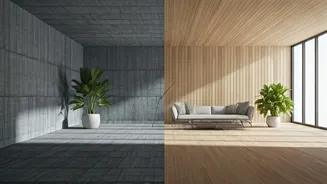
For years, modern design leaned into sleek, smooth, and often sterile surfaces. But a collective desire for warmth and authenticity is shifting our focus. This isn't just a fleeting trend; it's a response to our environment. After spending hours staring
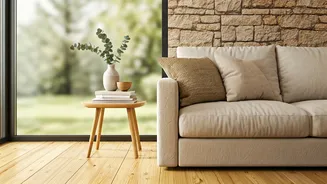
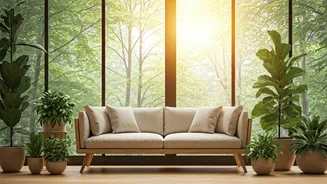
at glowing screens, our senses crave variety and connection to the natural world. Interior design experts often refer to this as biophilic design—the practice of connecting people and nature within our built environments. Bringing in materials that feel like they came from the earth, not a factory, helps ground us. The subtle roughness of a linen curtain, the cool smoothness of a stone coaster, or the organic grain of an oak table provides a tactile, sensory experience that sterile minimalism simply can't match. This new definition of comfort is multi-sensory; it’s about what you see, touch, and feel.
Start with Natural Woven Fibers
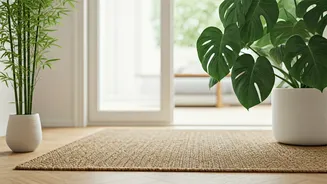
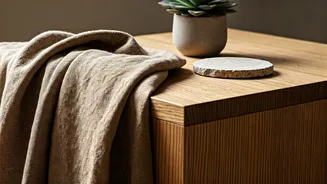
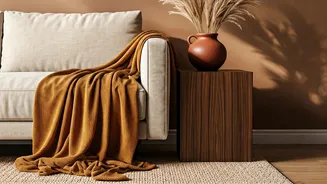
The easiest entry point into the world of earthy textures is through textiles. Swapping out synthetic fabrics for natural ones can instantly change the mood of a room. Think beyond basic cotton. Jute and sisal rugs, for example, introduce a durable, rustic element underfoot that defines a space with organic appeal. On the softer side, raw linen for curtains, slipcovers, or bedding offers a lived-in, imperfect elegance. Its characteristic wrinkles are part of its charm. And don't forget wool. A chunky knit wool throw blanket tossed over a chair or sofa is the epitome of cozy, offering both visual and physical warmth. These materials engage our sense of touch and connect a room to timeless, natural processes.
Incorporate Raw and Unfinished Wood
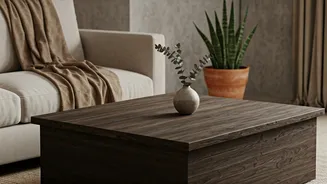
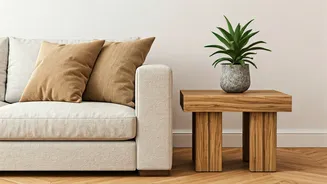
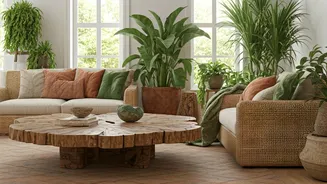
Wood is a cornerstone of this aesthetic, but the key is choosing pieces that celebrate the material's natural state. Move away from high-gloss, heavily stained finishes and embrace woods that are raw, reclaimed, or lightly sealed with a matte finish. A live-edge dining table or coffee table, where the natural edge of the wood is preserved, becomes a stunning focal point. Smaller accents work just as well: a solid teak stool in the bathroom, a carved wooden bowl on an entryway console, or picture frames made from reclaimed barn wood. These pieces add a sense of history and stability to a space. The visible grain, knots, and imperfections tell a story, making your home feel curated and unique rather than mass-produced.
Embrace Rattan, Cane, and Wicker
Once relegated to patio furniture, woven materials like rattan, cane, and wicker are now celebrated indoors for their lightweight, airy feel and intricate texture. Cane webbing, often seen on the front of cabinets or on the back of dining chairs, adds a layer of delicate, geometric pattern without feeling heavy. A statement rattan armchair can anchor a reading nook, while wicker baskets are a stylish and practical solution for storing everything from blankets to magazines. These materials excel at adding a relaxed, almost bohemian vibe. They pair beautifully with both lush plants and more structured furniture, bridging the gap between the organic and the man-made.
Add Depth with Stone and Ceramics
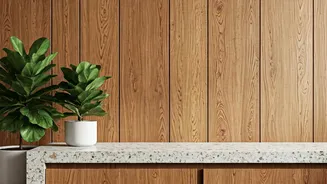
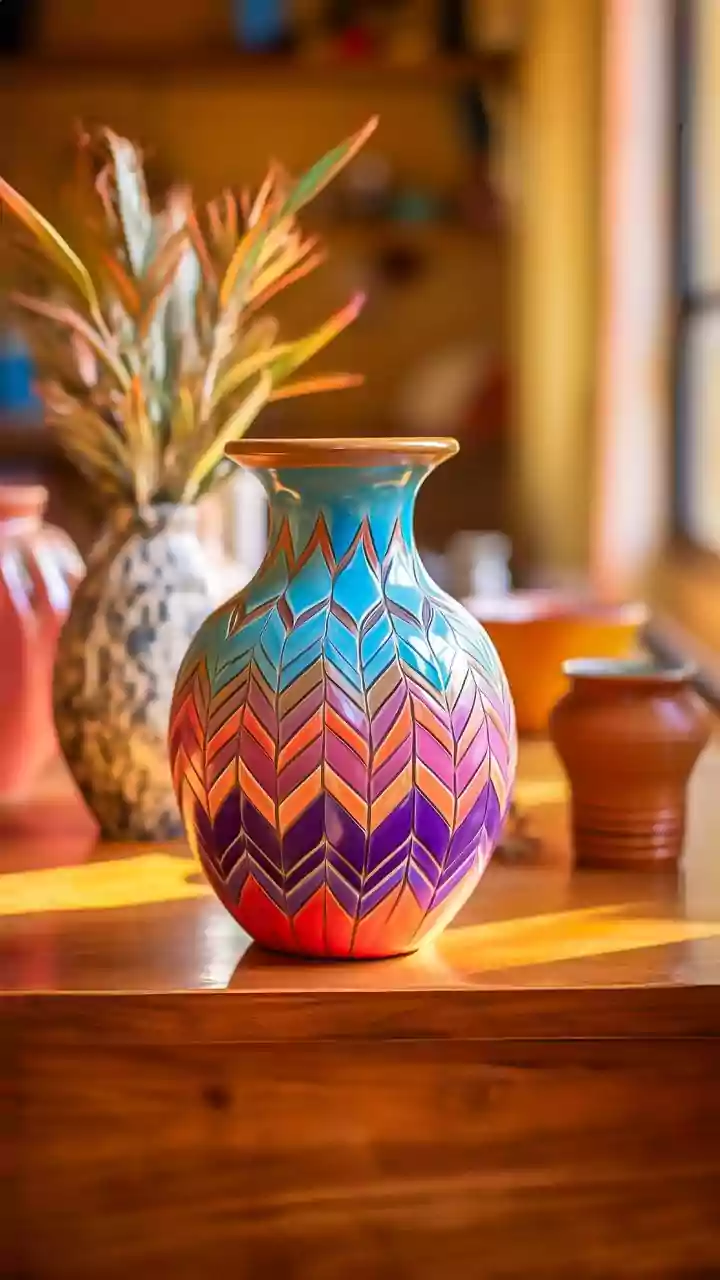
To balance the warmth of wood and fiber, introduce cool, solid textures with stone and ceramics. You don't need a marble fireplace to achieve this. A travertine side table, a slate cheese board, or a collection of river stones in a glass vase can provide the necessary weight and contrast. On the ceramics front, look for pottery with a matte or unglazed finish. A handmade ceramic lamp base or a set of earthy-toned stoneware mugs brings an artisanal touch. These elements feel ancient and enduring, providing a sense of permanence in a fast-moving world. Their cool, smooth surfaces offer a pleasing counterpoint to the softer, rougher textures elsewhere in the room.