
The Comfort of the Old, The Thrill of the New
What is "newstalgia"? The term itself—a mashup of "new" and "nostalgia"—captures the movement's spirit. It’s not about slavishly recreating the past; it’s about using the past as a creative launchpad. Think of it as a remix of your favorite song: the melody
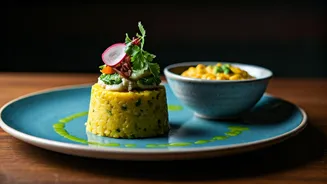
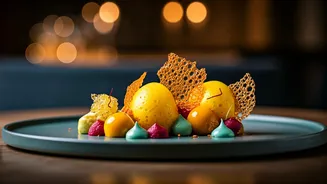
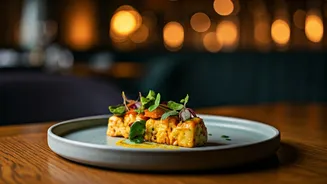
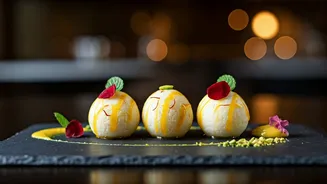
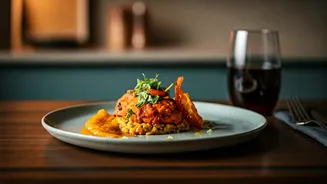
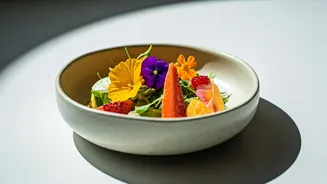
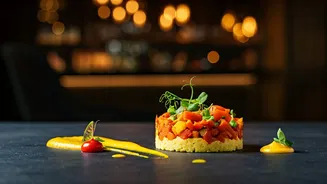
is the one you grew up with, but the beat is fresh and modern. In the culinary world, chefs take beloved, home-style dishes and reimagine them with contemporary plating or unexpected ingredients. The goal isn't to replace the original but to honor its emotional core while presenting it in a way that feels relevant and surprising. It taps into our universal desire for comfort but delivers it with a creative flair that feels exciting, not dated.
From Kitchen Memories to a Chef’s Canvas
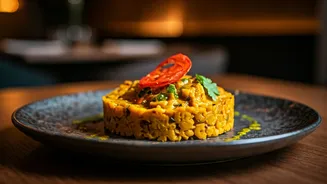
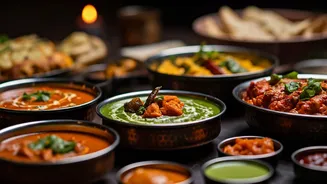
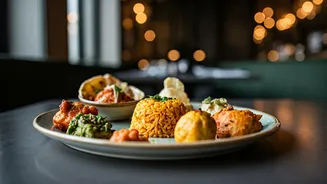
For many in the Indian diaspora, the most powerful nostalgic flavors are from a mother’s or grandmother’s kitchen. The scent of cumin hitting hot oil, the texture of fluffy rice, the slow-cooked comfort of dal—these are sense memories tied to family and identity. Newstalgic Indian cuisine takes these foundational experiences and treats them as a chef’s canvas. A street food like pani puri might be deconstructed, its spicy water served as a delicate foam. The humble samosa could be reimagined with fillings like goat cheese and leeks. The flavors of masala chai could be infused into a crème brûlée. This isn’t fusion for fusion’s sake; it’s a thoughtful dialogue between heritage and personal experience, transforming a memory into a masterpiece.
A Bridge Between Two Worlds
This culinary movement holds special significance for second- and third-generation Indian Americans. For many who grew up between two cultures, food is a primary connection to their roots, yet they are also fluent in global culinary trends. Newstalgia food speaks their language. It validates both sides of their identity, acknowledging the importance of heritage while embracing the contemporary world they inhabit. It offers a way to share their culture with friends who might be intimidated by a traditional menu. A dish like a gulab jamun cheesecake, for instance, uses a familiar Indian sweet but presents it in a form that’s approachable for any diner. It’s a delicious conversation starter, a physical manifestation of being both Indian and American.
The Chefs Forging a New Identity
This trend is being driven by talented Indian-American chefs who use their platforms to tell personal stories through food. Figures like the late Floyd Cardoz of Tabla, and more recently, chefs like Maneet Chauhan and Chintan Pandya, have championed the idea that Indian food is not a monolith. They’ve moved beyond standard buffet fare, focusing instead on regional specialties and family recipes. For them, every dish is a narrative—the story of a region, a memory, or a creative spark connecting past and present. By putting their personal stamp on the cuisine, they are not only elevating Indian food in the American culinary landscape but are also creating a space for a more nuanced expression of Indian identity itself.