

Embrace Strategic 'Zoning'
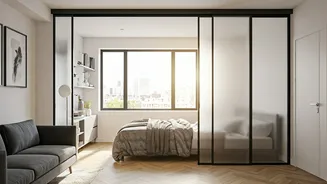
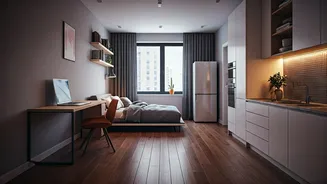
The first rule of making a small space feel large is to defy its single-purpose nature. Instead of treating your studio like one big box, create distinct functional and atmospheric 'zones.' This doesn’t require walls. Use large area rugs to delineate
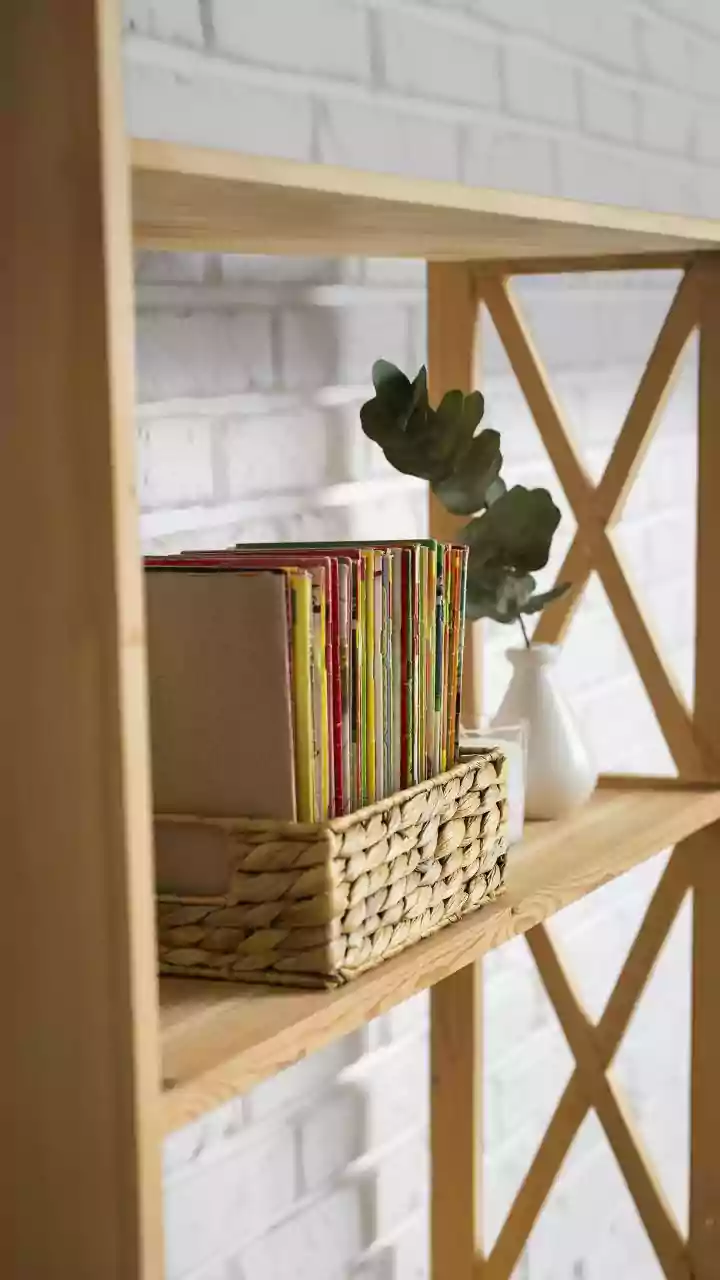
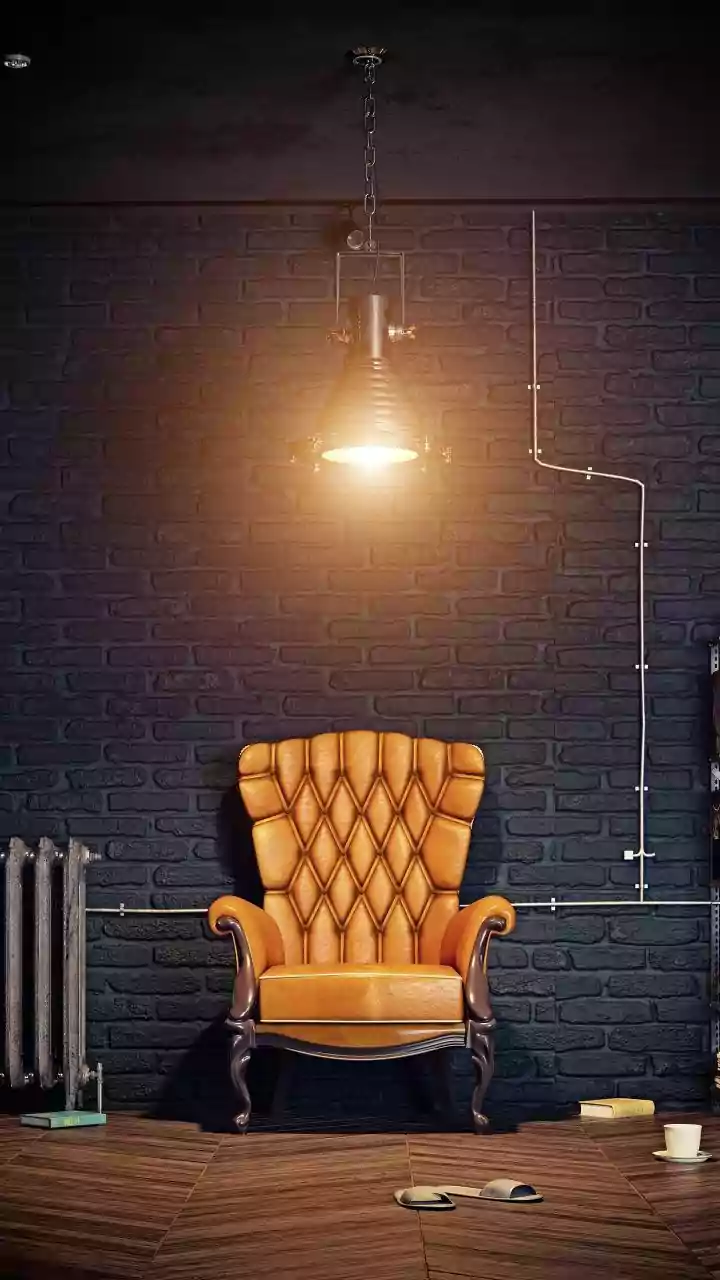
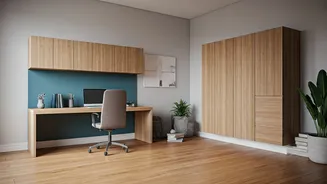
your living area from your sleeping space. A strategically placed open-backed bookshelf can create the feeling of a separate office nook without blocking light. The most powerful tool is color. Painting one wall a deep, moody color—like navy or forest green—can create a cozy, library-like corner for a reading chair, instantly setting it apart from the brighter, more open feel of the rest of the room. This psychological separation gives the impression of moving between rooms, a luxury typically reserved for larger homes.
Master the Art of Layered Lighting
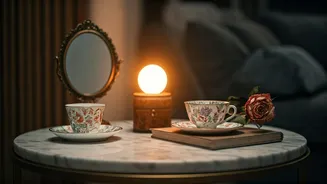
A single, harsh overhead light flattens a room and screams 'small apartment.' A mansion, by contrast, has varied and thoughtful lighting. Replicate this by layering your light sources to suit different moods. Every room should have at least three types: ambient (the main overhead light, preferably on a dimmer), task (a focused desk lamp or under-cabinet kitchen lights), and accent (a stylish floor lamp, a picture light, or even candles). By using only your accent and task lighting in the evening, you can completely transform a bright, functional daytime space into a warm, intimate environment perfect for relaxing or hosting guests. This ability to shift the atmosphere on demand is the essence of multi-mood design.
Invest in 'Transformer' Furniture
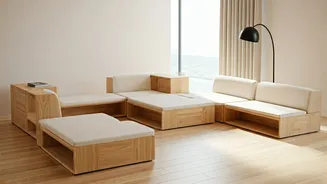
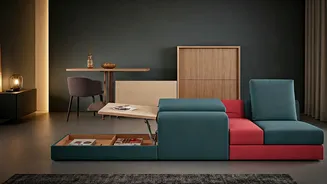
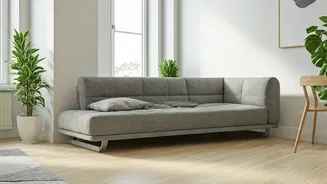
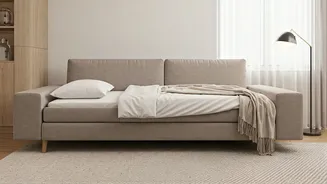
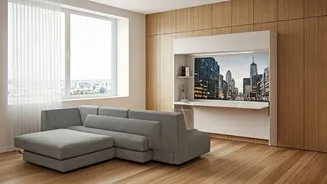
Clutter is the enemy of spaciousness, but in a tiny apartment, you need your furniture to work hard. The solution is to choose pieces that are as flexible as you need your space to be. Think beyond the classic futon. Modern 'transformer' furniture is sleek, stylish, and incredibly clever. Consider a coffee table that lifts and expands to become a dining table for six, an ottoman with hidden storage that also serves as extra seating, or a chic daybed that functions as a sofa and a guest bed. These pieces allow a single area to perform multiple functions without filling the space with single-purpose items. You're not just buying a table; you're buying a dining room that disappears when you don't need it.
Draw the Eye Upward
Grand homes often feel grand because of their high ceilings. While you can't raise your roof, you can create the illusion of height. The trick is to draw the eye vertically. Hang your curtain rods as close to the ceiling as possible—not just above the window frame—and let the drapes fall all the way to the floor. This creates an unbroken vertical line that makes walls feel taller. Opt for tall, narrow furniture like ladder bookshelves instead of low, wide media consoles. Arranging a gallery wall in a vertical column rather than a horizontal spread has a similar effect. This simple visual sleight-of-hand adds a sense of airiness and scale that can dramatically alter the perception of a room.
Go Big and Go Home
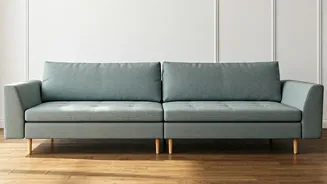
It sounds counterintuitive, but filling a small space with lots of small things makes it feel cramped and cluttered. Instead, embrace the 'go big or go home' philosophy with a few key pieces. A single, large-scale piece of art makes a much stronger, more sophisticated statement than a dozen small frames. A large, ornate mirror can double the visual size of your space while adding a touch of glamour. Choosing a comfortable, properly-sized sofa instead of a tiny loveseat makes the room feel more intentional and luxurious. These confident, well-chosen items anchor the space and give it a curated, high-end feel, preventing the 'dollhouse' effect that can plague small-scale decorating.