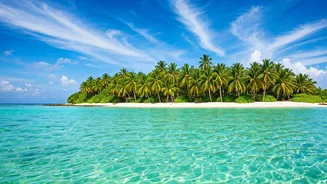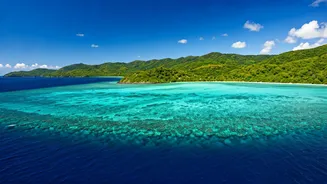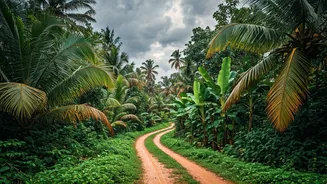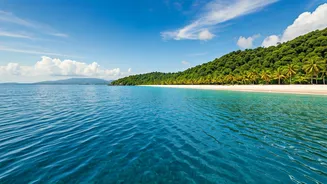



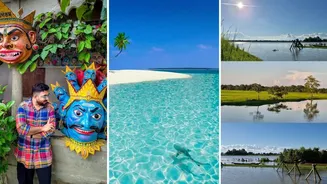
The Dream: What Is Lakshadweep?
First, a quick introduction for the uninitiated. Lakshadweep is a string of 36 islands in the Laccadive Sea, off the southwestern coast of India. Think of it as a less-developed, more remote cousin of the Maldives. Its main draws are world-class scuba
diving, snorkeling around pristine coral reefs, and the sheer tranquility of its sparsely populated atolls. Access is restricted to protect its fragile ecosystem, requiring permits for all visitors, which adds to its exclusive, off-the-beaten-path allure. The journey itself, often involving a flight to the city of Kochi followed by another flight or a long ferry ride, is part of the adventure. It’s the definition of a destination worth the effort.
The Perfect Window: October to Mid-May
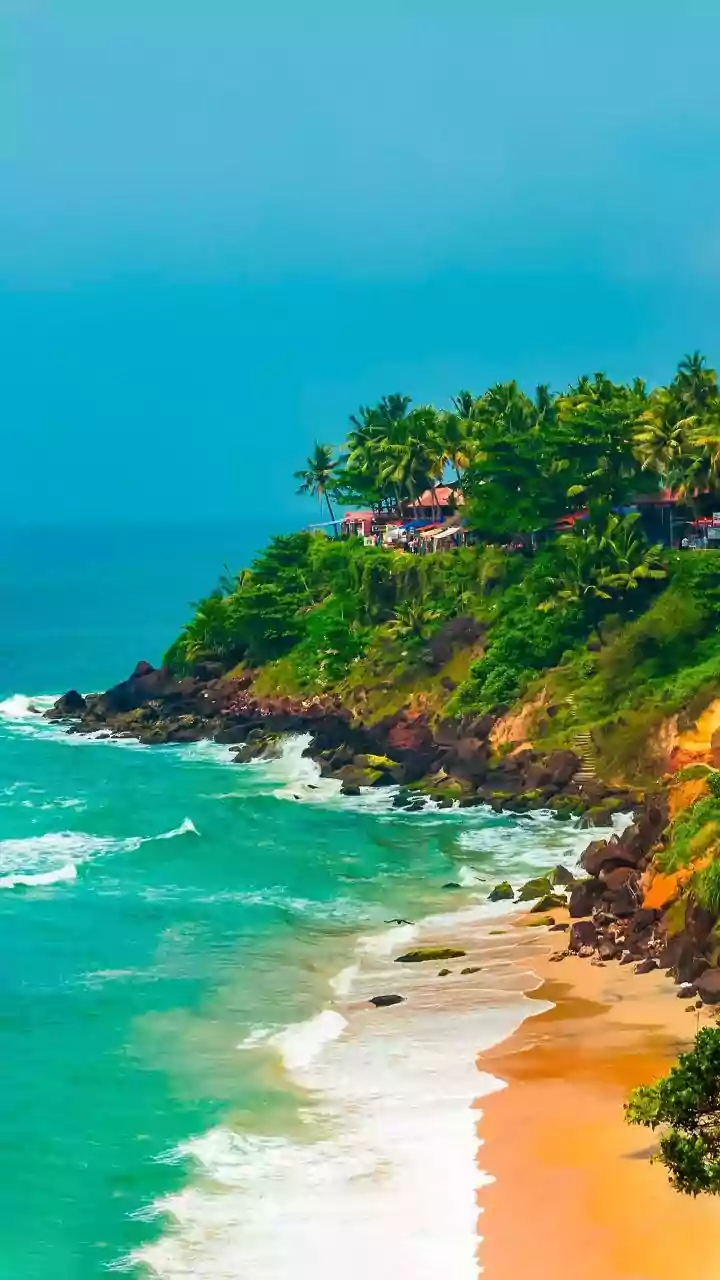
If you're chasing the postcard-perfect vision of Lakshadweep, this is your time. From roughly October through the middle of May, the islands enjoy their best weather. The skies are generally clear, the humidity is manageable, and the sea is calm and invitingly clear. This is the peak tourist season for a reason. All water sports, from kayaking to diving, are fully operational. Inter-island ferries run on schedule, and all resorts and guesthouses are open for business. Visibility underwater is at its best, making it the prime time for divers and snorkelers to explore the vibrant coral gardens and marine life. While you might pay a premium for flights and accommodations, you are buying a high degree of certainty for sunny days and smooth sailing.
The Main Event: The Southwest Monsoon
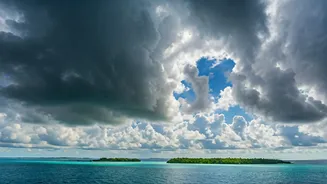
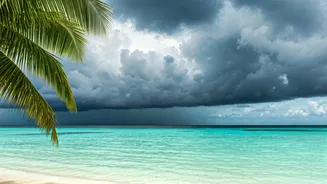
Here is the most critical reality check. From approximately late May through September, the powerful Southwest Monsoon completely transforms the islands. This isn't just a case of a few afternoon showers. We're talking about days of torrential downpours, strong winds, and extremely rough seas. As a result, this period is considered the off-season. Most tourism activities cease. The churning ocean makes swimming dangerous and boat travel perilous, leading to the suspension of most passenger ship services from the mainland. Many resorts and private accommodations close down entirely during these months. Even if you found a place to stay, you'd likely be confined indoors with very little to do. For tourists, visiting during the peak monsoon is not just impractical; it's nearly impossible.
The Shoulder Season Gamble: The Northeast Monsoon
Weather doesn't flip like a switch. As the main monsoon recedes, a second, less intense weather system arrives. The Northeast Monsoon typically affects the region from mid-October to November. While not as severe as its predecessor, it brings a level of unpredictability. You might get a week of glorious sunshine, or you could face several days of persistent rain and choppy waters that cancel your diving trip. This is the shoulder season. The upside can be lower prices and fewer crowds as the islands ramp up for peak season. The downside is the weather gamble. If you’re a flexible traveler whose trip won't be ruined by a few rainy days, it can be a rewarding time to visit. But if your heart is set on sunbathing and flawless sea conditions, you’re taking a significant risk.
So, How Do You Plan Your Trip?
Ultimately, planning a successful trip to Lakshadweep is about aligning your expectations with the climate. For guaranteed sunshine and access to all activities, stick to the dry season between December and April. You’ll contend with more visitors and higher prices, but the weather will be on your side. If you're on a tighter budget or prefer fewer people, consider the shoulder months of October, November, or May, but go in with a flexible mindset. Acknowledge that some activities might be weather-dependent and have backup plans. And unless you have a specific, non-touristic reason to be there, avoid the core monsoon months of June through September entirely. Smart planning transforms this weather reality check from a warning into a tool for crafting the perfect island getaway.