


The Original All-in-One Meal
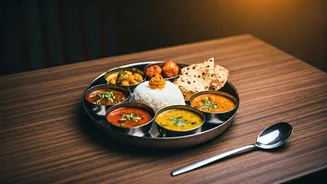
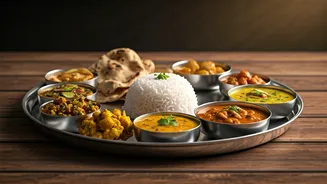
Before there were bento boxes or customizable grain bowls, there was the thali. For centuries, this round platter has been a cornerstone of dining across the Indian subcontinent. The concept is simple but profound: to present a complete, nutritionally
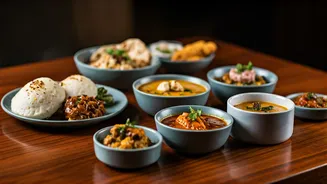
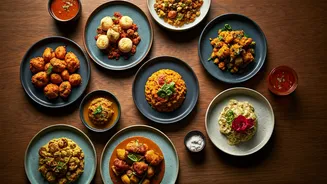
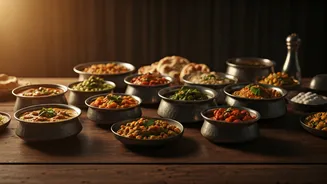
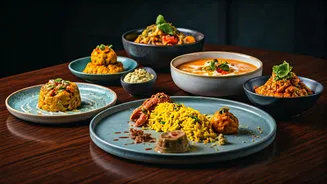
balanced meal on a single plate. A typical thali features a selection of dishes arranged in small bowls, called katoris, around a central mound of rice or flatbread. The genius lies in its holistic approach. Guided by Ayurvedic principles, a traditional thali aims to include the six essential tastes: sweet, salty, sour, bitter, pungent, and astringent. You might find a creamy dal (lentils), a spicy vegetable curry, a cooling raita (yogurt dip), a tangy pickle, a crisp papadum, and a small sweet dessert. It’s a symphony of flavors and textures, designed to satisfy the palate and the body in one sitting.
From Tradition to Trend
For many older Indian Americans, the thali might evoke memories of a home-cooked Sunday lunch or a special occasion meal at a temple. But for Gen Z food enthusiasts, its re-emergence is happening on a very different stage: the smartphone screen. The thali is, to put it simply, incredibly photogenic. The kaleidoscope of colors, the neat organization of the katoris, and the sheer variety make it a natural star in our visual-first culture. On TikTok, videos show users excitedly pointing to each item, trying to guess what it is before a friend explains. Instagram is flooded with bird’s-eye shots that emphasize the thali's perfect symmetry. This isn't just about eating; it’s about documenting, sharing, and creating content. The act of eating a thali becomes a performance, a mini-unboxing video where the prize is a delicious, multi-course journey.
An Antidote to 'Indian-Ish'
If the rediscovery were only about aesthetics, it would be a fleeting fad. But the trend taps into something deeper: a generational shift toward authenticity and regional specificity. For years, Indian food in America was often a monolithic experience, defined by a handful of North Indian dishes like chicken tikka masala and saag paneer. Gen Z foodies, armed with the internet and a more global palate, are actively rejecting that simplification. The thali is the perfect vehicle for this exploration. It’s a culinary passport. A Gujarati thali, with its characteristic sweetness, is a world away from a spicy Rajasthani thali or a coconut-rich Keralan version. By seeking out thalis, young diners are bypassing the generic and diving straight into the heart of India's diverse regional cuisines. They're not looking for “Indian-ish” food; they're looking for Indian food, in all its specific, regional glory.
The Experience Is the Point
The format of the thali itself also aligns perfectly with modern dining preferences. In an age of decision fatigue, the thali offers curated variety. You don’t have to agonize over a long menu; you get to try a little bit of everything, a low-risk, high-reward proposition for an adventurous eater. It's a tasting menu, but democratic and accessible. This built-in variety also caters to a generation known for its shorter attention spans and love of novelty. Each bite is a different experience. Furthermore, the interactive nature—tearing bread, mixing rice with different curries, deciding which combination to try next—makes it an engaging and memorable event. It transforms lunch from a passive act of consumption into an active, sensory experience worth talking about, and, of course, worth posting about.