

The New Flavor Frontier
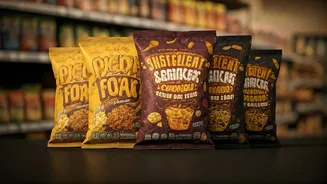
For decades, the American snack aisle operated on a predictable flavor spectrum. You had your classics: salty, cheesy, barbecue. “Adventurous” might have meant jalapeño. But a seismic shift is underway. Today, you’re just as likely to find potato chips
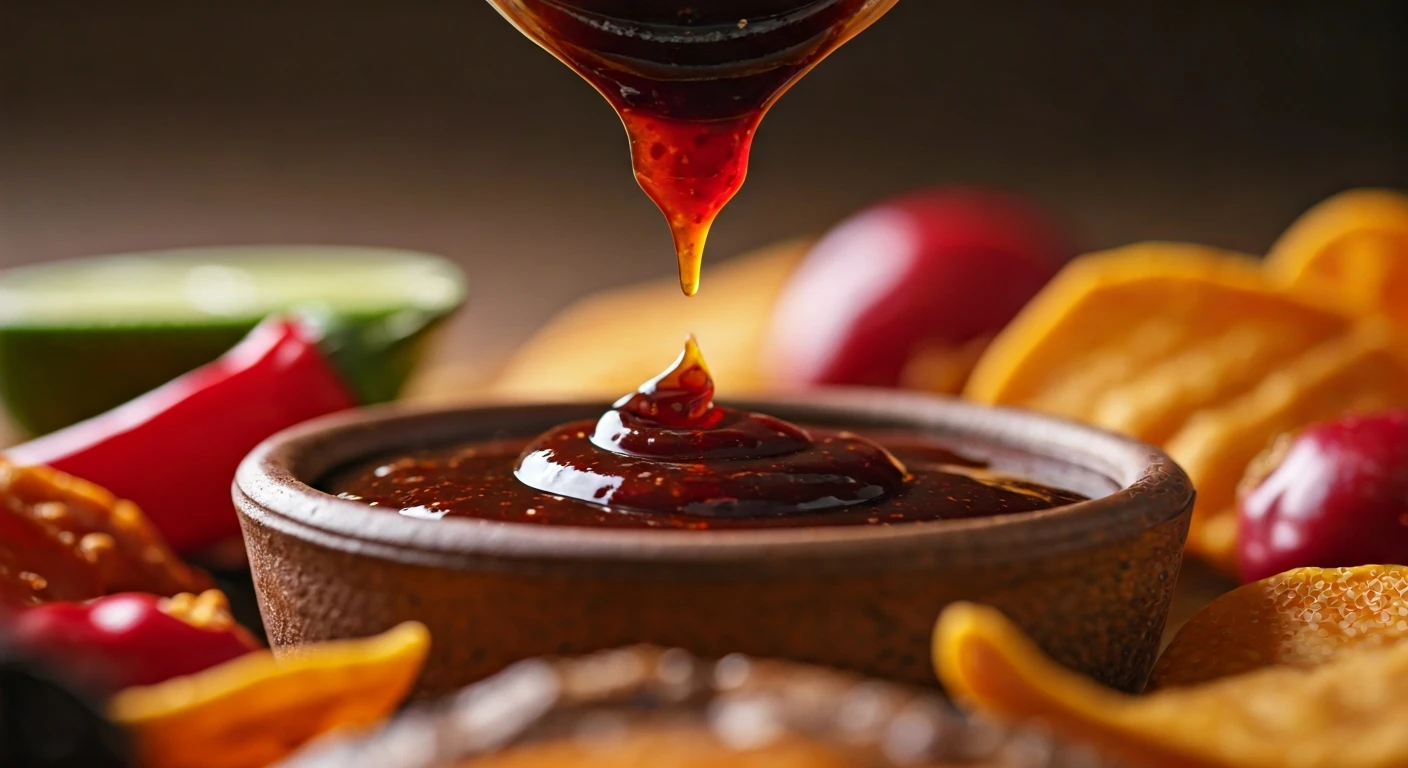
flavored like Mexican street corn (elote), with its signature blend of chili, lime, and cotija cheese, as you are a standard bag of Lays. You might see puffs mimicking the rich, savory depth of birria tacos or corn chips dusted with the tangy, spicy kick of Tajín, a seasoning that has exploded from a niche product into a household name. This isn't just about adding more heat. It’s about specificity and authenticity. Instead of a generic “Asian Spice,” brands are aiming for the distinct, fermented funk of Korean gochujang. Rather than a vague “Mediterranean Herb,” they’re trying to capture the garlic-and-cumin punch of Middle Eastern shawarma. This movement is a direct import of the energy, excitement, and hyperlocal flavors found at food trucks, night markets, and street-side stalls from Los Angeles to Bangkok.
Why Now? The Palate Gets Global
So, what’s driving this flavor migration from the street to the shelf? Several cultural currents are converging. First, there’s the undeniable influence of social media. Platforms like TikTok and Instagram have become virtual food tour guides, exposing millions of Americans to dishes and flavors they might never have encountered otherwise. A viral video of someone enjoying a steaming cup of elote in a Mexico City market creates an instant craving that food companies are eager to satisfy. Second, younger consumers, particularly Millennials and Gen Z, have more globalized palates than previous generations. Raised on a wider variety of cuisines and fueled by a desire for new experiences, they actively seek out authenticity and complexity in their food choices. For them, a bag of chips isn't just a snack; it's a small act of culinary exploration. This demographic is less interested in mass-market uniformity and more drawn to brands that tell a story and offer a genuine taste of another place.
The Authenticity Challenge
Of course, bottling the “energy” of street food is a monumental task. Street food is inherently about freshness, texture, and context—the sizzle of the grill, the char on the corn, the community of eating on a bustling corner. A mass-produced, shelf-stable product can, at best, offer an approximation. The challenge for CPG (Consumer Packaged Goods) companies is to create a flavor profile that is recognizable and exciting without feeling like a cheap imitation. Some brands succeed by focusing on one key component, like the seasoning. The rise of brands like Siete Family Foods, which champions grain-free tortilla chips with authentic Mexican-American flavor profiles, shows a path forward. They build their entire brand identity around heritage and real ingredients. In contrast, larger companies like Frito-Lay often use limited-time offerings to test the waters with bolder concepts, like their past releases of flavors inspired by regional American dishes or international cuisines. The risk is always flattening a complex culinary tradition into a single, dusty flavor note. A successful street-food-inspired snack honors the source rather than just borrowing its name for marketing.
Your Supermarket, The New Food Truck Rally
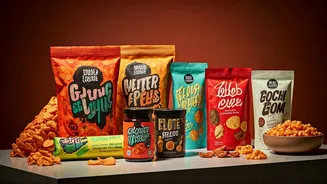
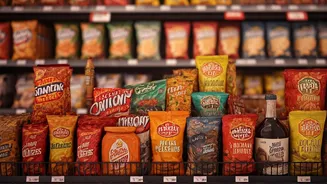
The result is a snack aisle that feels more dynamic and diverse than ever before. It’s a place where you can find chips inspired by Nashville Hot Chicken sitting right next to lentil crisps flavored with Thai curry. Brands like Trader Joe’s have become masters of this, turning their snack section into a constantly rotating tour of global tastes, from their beloved Chili & Lime Rolled Corn Tortilla Chips to unexpected finds like their Everything but the Elote Seasoning. This trend reflects a fundamental change in how Americans relate to food. We are more curious, more connected, and more demanding of flavor. We don’t just want to be fed; we want to be transported. The convenience of a packaged snack is no longer an excuse for it to be boring. As this movement continues to grow, the humble chip is evolving from a simple sidekick into the main event—a crunchy, convenient passport to the world’s most exciting flavors.