






Fire Up Your Metabolic Engine
When people talk about metabolism, they’re often thinking about how many calories their body burns. While all exercise burns calories, strength training offers a unique, two-pronged advantage. First, there’s the immediate effect. A challenging lifting
session requires significant energy, and your body continues to burn calories at an elevated rate for hours afterward as it works to repair and recover. This phenomenon, known as excess post-exercise oxygen consumption (EPOC) or the "afterburn effect," means your workout keeps paying dividends long after you’ve put the weights down. But the real magic happens over the long term. Muscle tissue is more metabolically active than fat tissue. This means that for every pound of muscle you build, your body’s resting metabolic rate—the number of calories you burn just by being alive—goes up. A body with more muscle is like a car with a bigger engine; it simply requires more fuel to maintain itself, even when it’s parked in the garage. This subtle, 24/7 increase in calorie burn makes it significantly easier to manage your weight and maintain a healthy body composition over your entire lifespan. It turns your body into a more efficient furnace, constantly working for you.
Build a Resilient, Younger Skeleton
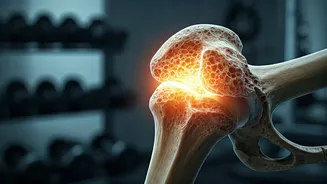
We often don't think about our bones until something goes wrong, but building and maintaining bone density is one of the most important investments you can make in your future health. After about age 30, we naturally begin to lose bone mass, a process that can eventually lead to osteoporosis—a condition of weak, brittle bones that are prone to fracture. Cardio exercises like running and walking are good for your heart, but strength training is the undisputed champion of bone health. Here’s how it works: When you lift weights, you put mechanical stress on your skeleton. This stress isn't harmful; it’s a signal. Your bone cells respond to this signal by laying down new, mineralized bone tissue to reinforce the structure, making it denser and stronger. Think of it like renovating a house by reinforcing its foundation. Exercises that load the spine, hips, and wrists—like squats, deadlifts, overhead presses, and even push-ups—are particularly effective. This isn't just a benefit for older adults. Building peak bone mass in your 20s and 30s gives you a stronger starting point, and continuing to lift weights throughout your life is the single best strategy to slow age-related bone loss and stay active, independent, and resilient for decades to come.
Cultivate Unshakeable Confidence
Perhaps the most profound and immediate benefit of strength training isn’t physical at all. The impact on mental fortitude and self-confidence is transformative. Unlike aesthetics, which can be subjective and fleeting, strength is measurable and objective. The first time you lift a weight you previously couldn't, or complete an extra rep on a difficult set, you receive immediate, undeniable proof of your progress. You are getting stronger. This process of setting small, achievable goals and consistently meeting them builds a powerful sense of self-efficacy—the belief in your own ability to succeed. This confidence doesn't stay in the gym. It bleeds into every other area of your life. The discipline it takes to show up on days you don't feel like it, the focus required to execute a lift with good form, and the resilience needed to push through discomfort all build mental toughness. You learn to be comfortable with being uncomfortable. Watching your body become more capable and resilient fosters a deep appreciation for what it can do, shifting the focus from what your body looks like to what it can accomplish. That is a foundation for a type of confidence that is earned, not given, and is incredibly difficult to shake.