



The End of the Aimless Wander
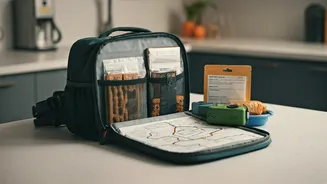
The modern, high-achieving dog walk looks less like a casual stroll and more like a carefully planned excursion. It often begins before the leash is even on, with a pre-packed belt bag containing high-value treats, a collapsible water bowl, and multiple
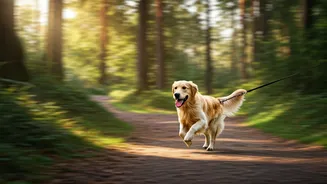
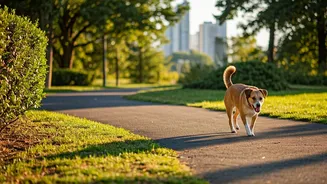
types of toys. The route isn’t left to chance; it’s a strategic path designed for maximum benefit. There might be a five-minute stop at the “sniffy patch,” a particularly fragrant lawn designated for olfactory enrichment. This is followed by a ten-minute session of loose-leash training practice in a quiet cul-de-sac. Then, it’s on to the park, not for a chaotic free-for-all, but for a structured meet-up with a specific, pre-vetted canine friend. The walk concludes with a “cool down” period of calm decompression before re-entering the home. Every minute is accounted for. Every activity has a purpose. This isn’t just walking the dog; it’s optimizing the walk experience.
The 'Pet Parent' Pressure Cooker
So, why the sudden project management approach to what used to be a simple chore? The answer lies in the evolution from “pet owner” to “pet parent.” As more Americans, particularly Millennials and Gen Z, view their pets as surrogate children, the anxieties and ambitions of modern parenting have been transferred to their four-legged dependents. We don’t just want our dogs to be happy; we want them to be fulfilled, stimulated, and living their best, most Instagrammable lives.
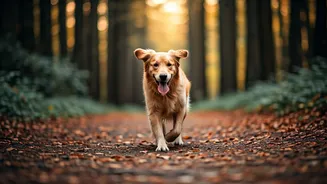
Social media has poured fuel on this fire. A scroll through TikTok or Instagram reveals a world of “enrichment” activities, from DIY puzzle toys to elaborate “snuffle mats.” This content creates a new, elevated standard for pet care. A simple walk feels inadequate when you see an influencer’s Golden Retriever enjoying a curated “decompression walk” in a pristine meadow. The fear of not doing enough—of your dog being bored or unstimulated while you’re at work—drives many to overcompensate, turning a 30-minute walk into a high-pressure performance of good pet parenting.
The Upside of All the Planning
Before we dismiss this as another symptom of millennial anxiety, it’s worth noting the real benefits. For many dogs, a structured walk is a game-changer. High-energy breeds, anxious rescues, and dogs with behavioral issues often thrive on predictability and clear goals. An itinerary can prevent a reactive dog from being overwhelmed by surprising triggers, or it can ensure a young puppy learns crucial socialization skills in a controlled environment.
Furthermore, intentionality is a good thing. A walk focused on mental stimulation—letting a dog spend ten minutes sniffing a single fire hydrant—is vastly more tiring and satisfying for them than a forced march around the block. By thinking of the walk as more than just a potty break, pet parents are engaging more deeply with their dogs’ needs. It forces the human to be present, putting their phone away to focus on training cues or observe their dog's body language. In a world of constant distraction, a scheduled walk can be a shared moment of mindfulness.
When Structure Becomes Stress
The danger, according to many trainers and veterinary behaviorists, is when the itinerary becomes more important than the dog. The core of a good walk, from a canine perspective, is freedom—the freedom to explore the world through their nose. Dogs need time to sniff. It’s how they read the local news, check their “pee-mail,” and decompress. A rigid schedule that rushes a dog from one “enrichment activity” to the next can ironically cause the very stress it’s meant to alleviate.
When a human is constantly checking the clock, hurrying their dog along to the next item on the agenda, the dog picks up on that frantic energy. The owner feels frustrated that they’re “behind schedule,” and the dog feels confused about why it’s being pulled away from a fascinating smell. This can turn a potentially joyful experience into a source of mutual tension. The goal of the walk can get lost, replaced by the need to simply complete the checklist.