
The Tyranny of the Tupperware
The American obsession with meal prepping is born from a good place: a desire for control, efficiency, and health in our chaotic lives. The logic is sound—cook once, eat healthy all week. But the reality is often a sad parade of soggy vegetables and dry
protein by Wednesday. We trade flavor, texture, and nutritional vibrancy for convenience. This approach treats food as fuel and eating as a task to be optimized. While it might prevent a desperate call for pizza on a Tuesday, it can also strip the joy and sensory pleasure from our daily meals, reducing our nutrient intake to a monotonous, repetitive cycle.
A Different Philosophy of Food
Now, let’s pivot to a typical Indian kitchen. The headline-grabbing, ghee-laden dishes of your favorite takeout spot are not the daily reality. True Indian home cooking is a different beast entirely. It’s built on a foundation of fresh vegetables, legumes, and whole grains, brought to life with an arsenal of spices. The philosophy isn't about batch-cooking a single meal for the week. Instead, it’s about simple, quick-to-assemble components that come together for a fresh meal every day. It’s less about industrial-scale prep and more about a nimble, daily dance of ingredients.
The Power of the Spice Box
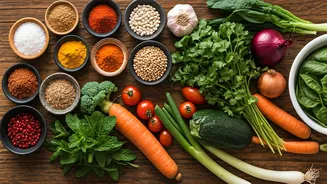
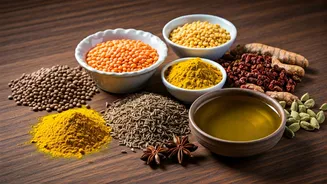
The heart of an Indian kitchen is the 'masala dabba,' or spice box. This isn't just about heat; it's about building profound, complex flavor without relying on heaps of fat, salt, or sugar. Turmeric, known for its anti-inflammatory properties, provides earthy notes and a golden hue. Cumin and coriander form a fragrant, savory base. Ginger and garlic, often pounded into a fresh paste, provide a pungent, healthful kick. These spices do more than just make food taste good. They create a symphony of flavor that makes a simple bowl of lentils or a plate of sautéed cabbage deeply satisfying. This is health that doesn't taste like a compromise.
Beyond Chicken and Broccoli
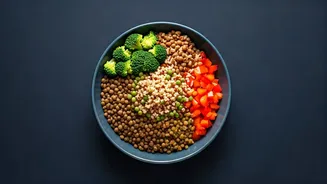
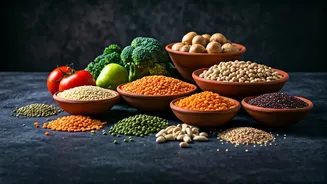
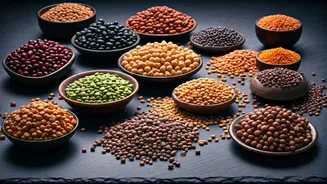
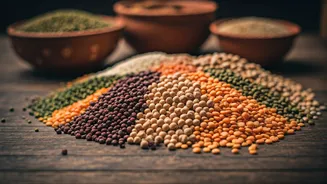
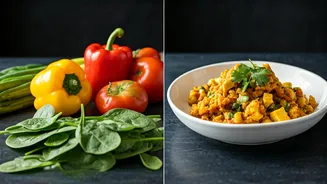
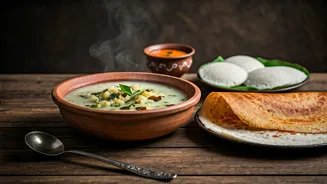
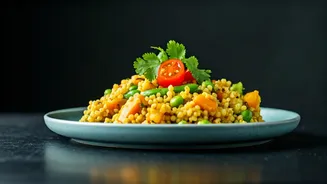
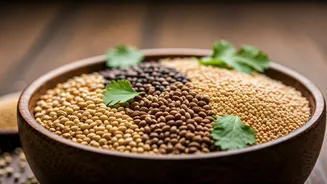
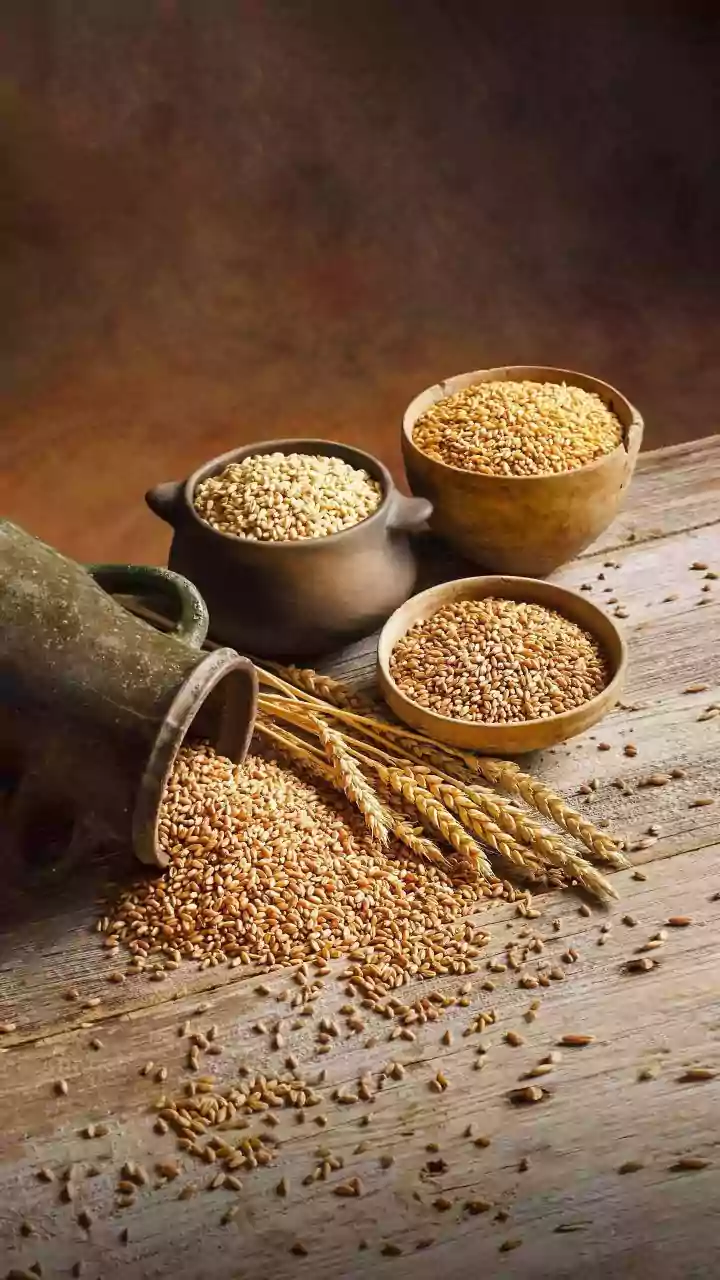
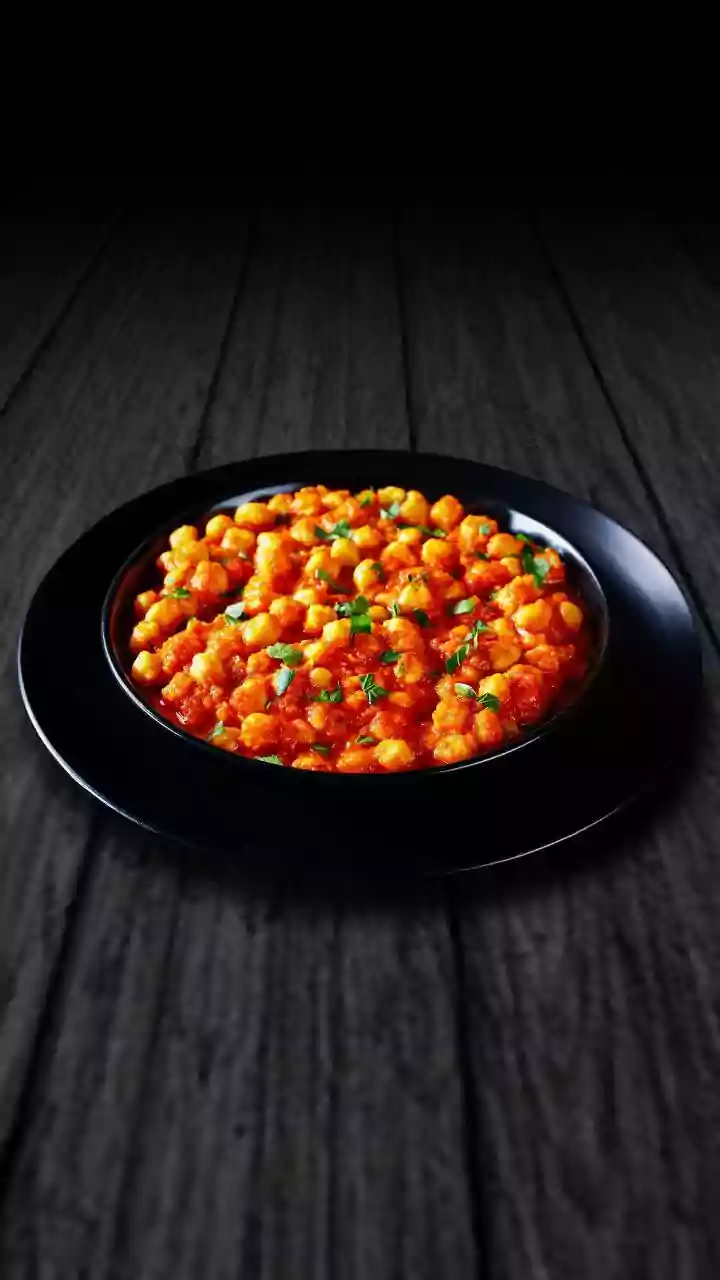
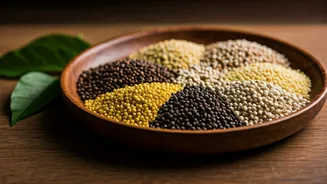
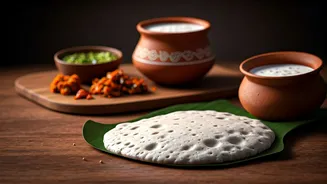
Your standard meal-prep container offers a very narrow nutritional window. Indian home cooking, by contrast, is a masterclass in variety. The cornerstone of many meals is dal—a humble but mighty stew of lentils, split peas, or beans. This provides a rotating source of plant-based protein and fiber. Accompanying it are one or two 'sabzis,' or vegetable dishes, which change based on what’s in season: okra, spinach, cauliflower, squash, eggplant, potatoes, peas. A small serving of yogurt on the side aids digestion, while a whole-wheat flatbread like roti or chapati provides complex carbs. This 'thali' approach ensures a wide spectrum of vitamins, minerals, and phytonutrients in a single meal, fighting the nutritional boredom that can come from eating the same three ingredients all week.
Fresh, Fast, and Feasible
The idea of cooking daily might sound exhausting, but Indian home cooking is full of its own clever 'prep' hacks. It's not about pre-cooking meals, but preparing components. A batch of dal can be cooked and stored in the fridge for a few days. Ginger-garlic paste can be made ahead of time. Onions can be pre-chopped. With these elements ready, throwing together a fresh vegetable sabzi takes 15-20 minutes. Reheating the dal takes five. The result is a hot, fresh, and deeply nourishing meal in less time than it takes to get a delivery order. It's a system built for freshness and flavor, not just storage.