



The Simple Calorie Equation
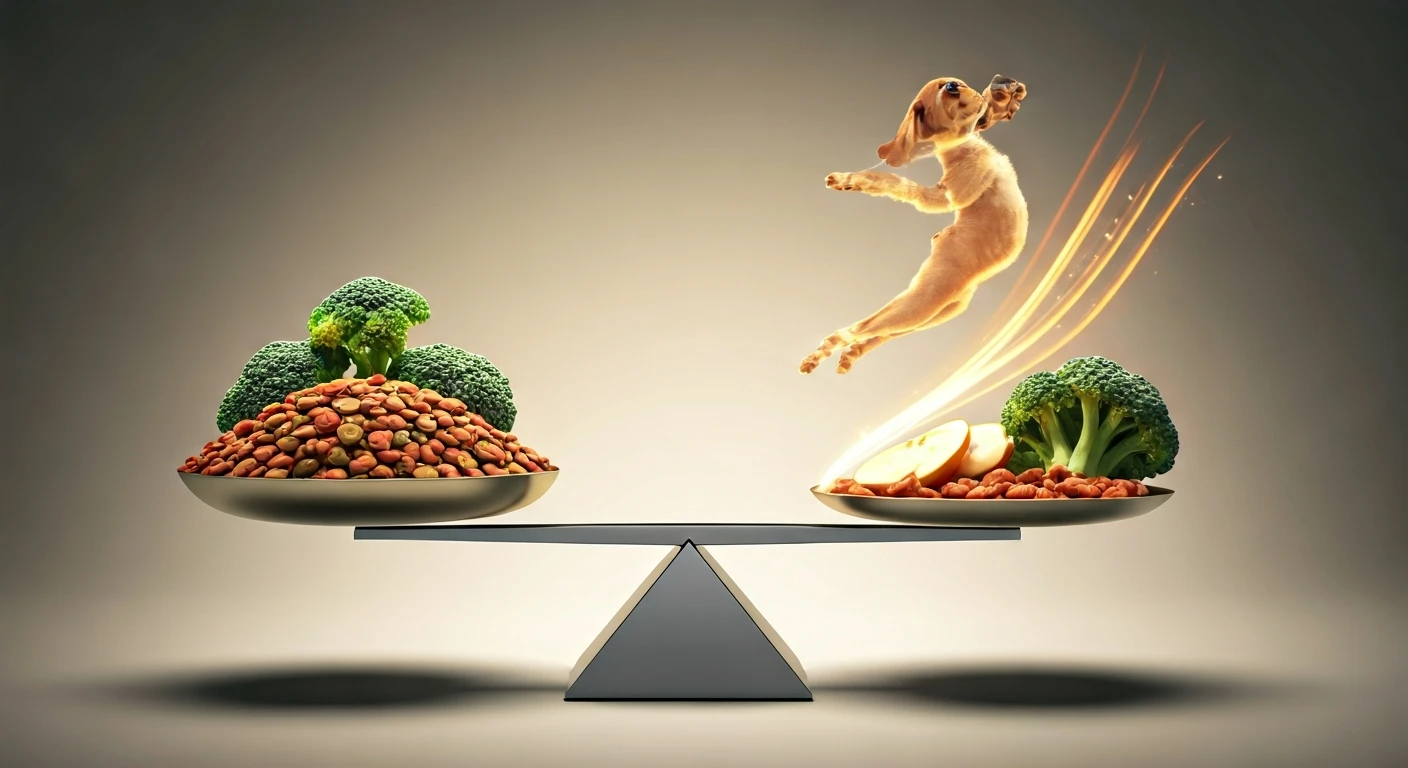
At its core, the connection is simple math: calories in versus calories out. A long walk or a vigorous play session at the park burns a significant number of calories. When that activity disappears, your pet's daily energy expenditure plummets. If their
food intake remains the same, their body is suddenly receiving a surplus of energy. And just like with humans, that unused energy gets stored as fat. For a 40-pound dog, even an extra 100 calories per day—the equivalent of a few too many treats—can lead to ten pounds of weight gain in a single year. The effect isn't gradual over seasons; it starts the first day they miss their usual exercise.
It’s Not Just About Calories
The impact of reduced walk time goes beyond a simple calorie surplus. Exercise provides crucial mental stimulation that helps regulate a dog's behavior and appetite. A bored dog is more likely to engage in attention-seeking behaviors, which many owners misinterpret as hunger. That pleading look at the dinner table might just be a cry for engagement, not for food. Giving in with treats or extra kibble only reinforces the cycle. Furthermore, regular physical activity helps maintain a healthy metabolism. When exercise levels drop, their metabolic rate can slow down, meaning they burn fewer calories even while at rest, compounding the problem of weight gain.
How to Adjust Their Diet Proactively
The key is to be proactive, not reactive. Don't wait for your pet to look visibly heavier. If you know their activity level has been cut by more than 20-30% for a few days, it's time to make a small adjustment to their food intake. A good rule of thumb is to reduce their daily portion size by about 10-15%. Always use a measuring cup for accuracy—eyeballing it often leads to over-serving. It's also wise to cut back on high-calorie training treats. Instead, substitute them with low-calorie options like green beans or small pieces of carrots, or reward them with praise and affection.
Make Mealtime an Activity
You can compensate for the lack of physical exercise by making mealtime more mentally engaging. Instead of pouring kibble into a bowl where it can be devoured in 30 seconds, use a puzzle feeder or a snuffle mat. These tools force your dog to work for their food, slowing them down and providing much-needed mental stimulation. This simple change turns a quick meal into a 15-minute brain game, helping to burn mental energy and prevent the boredom that leads to begging. Spreading their daily food allowance across two or three smaller, puzzle-fed meals can be even more effective.
Find Creative Ways to Move Indoors
Just because you can't go for a long walk doesn't mean your pet has to be a couch potato. There are plenty of ways to keep them active indoors. A game of hallway fetch (with a soft toy, of course) can get their heart rate up. Practicing obedience commands or teaching them a new trick, like 'spin' or 'roll over,' is excellent mental exercise that also burns physical energy. You can also play 'find it' by hiding treats or their favorite toy around a room and encouraging them to use their nose to track it down. A few 10-minute sessions of focused indoor activity can make a big difference in bridging the gap on days when outdoor walks aren't an option.