







The Sober-Curious Shift
One of the biggest drivers behind the rise of the coffee social is a fundamental shift in how younger generations view alcohol. While previous generations often centered their social lives around bars and clubs, many in Gen Z are embracing a “sober curious”
lifestyle or drinking significantly less. This isn't necessarily about total abstinence, but about being more intentional with alcohol consumption. The reasons are varied. There's a heightened awareness of mental and physical health, with many seeing alcohol as a detriment to their wellness goals. Hangovers are increasingly seen not as a badge of honor, but as a waste of a precious weekend day. A Saturday morning coffee meetup offers genuine connection without the next-day side effects, allowing for a full day of productivity, hobbies, or simply feeling good. It replaces the hazy, headache-filled morning-after with a clear-headed, energized start.
An Affordable Luxury
Let's talk economics. In an era of inflation and financial uncertainty, a traditional night out can feel prohibitively expensive. A single cocktail can easily run $15-$20 in a major city. Multiply that by a few rounds, add cover charges and a late-night Uber, and a Friday night can quickly drain a young person's budget. A coffee social, by contrast, is the perfect “affordable luxury.” For the price of one cocktail, you can get a high-quality specialty coffee, maybe a pastry, and occupy a table with friends for a couple of hours. It provides the same core benefits—social connection, a change of scenery, and a treat—at a fraction of the cost. In this context, being able to socialize regularly without financial anxiety isn't just practical; it’s a smart and sustainable choice that feels like a life hack.
Designed for the Digital Age
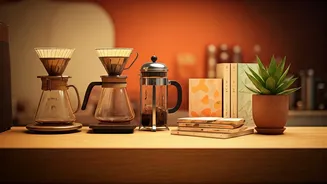
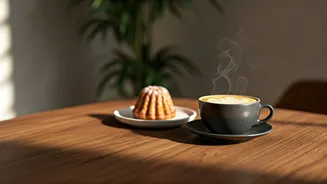
A coffee shop is more than just a place to get a drink; it's a content studio. The modern cafe aesthetic—with its minimalist decor, good lighting, lush plants, and photogenic latte art—is practically designed for Instagram and TikTok. The coffee social is an activity that is inherently shareable. The “flex” part of the headline is key here. It’s not just about having coffee; it's about curating and broadcasting a certain lifestyle. The outfit is carefully chosen. The angle of the coffee cup is adjusted for the perfect flat-lay shot. The conversation is punctuated by capturing a quick video for a “weekend vlog.” This ritual transforms a simple meetup into a piece of personal branding, signaling taste, leisure, and a life that is as aesthetically pleasing as it is wholesome. It’s a quiet flex, but a flex nonetheless.
The New Third Place
Sociologists talk about the “third place”—a location outside of home (the first place) and work (the second place) where community is built. For decades, bars, pubs, and community centers filled this role. For many in Gen Z, the coffee shop has become that essential third place. It’s a low-pressure environment. You can come alone with a laptop, meet a friend for a deep conversation, or have a casual first date. Unlike a bar, there’s no social pressure to be loud, stay late, or drink. This makes it a more versatile and inclusive space for a generation that values authenticity and comfort. The gentle hum of conversation, the clink of ceramic mugs, and the aroma of roasted beans create a backdrop for connection that feels both modern and timeless.