





The Rebellion Against Perfect Weather
For decades, the travel industry has sold us a single vision of paradise: cloudless skies, turquoise water, and a sun-drenched beach. This relentless pursuit of perfection created its own kind of anxiety. Did you pack the right resort wear? Is your beach body
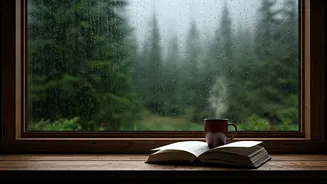
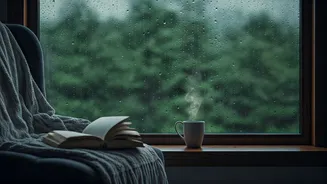
ready? And heaven forbid a stray cloud ruins that perfect sunset photo for Instagram. Now, a quiet rebellion is brewing. Travelers, exhausted by the pressure to perform happiness, are embracing trips where the expectation of perfect weather is off the table. A rainy vacation is a permission slip to slow down. There's no pressure to 'make the most of the day' by frantically sightseeing. Instead, the agenda is dictated by the elements. When a downpour starts, the only thing to do is find a cozy pub, curl up in a café with a book, or watch the storm roll in from a window seat. It’s a shift from travel as an activity to travel as an atmosphere.
The Allure of Cozy and Cinematic Moods
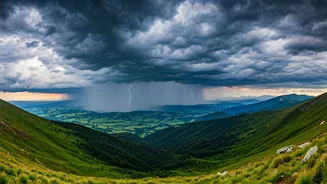
This trend is deeply connected to the cultural embrace of 'coziness'—think of the Danish concept of *hygge* or the Scottish *còsagach*. Rain and gloom provide the perfect backdrop for warmth, comfort, and introspection. The drama of a storm outside makes the crackling fireplace or warm cup of tea inside feel that much more satisfying. It’s an experience that feels sensory and authentic, a direct contrast to the often-sterile environments of all-inclusive resorts. Furthermore, we live in a cinematic age. From the windswept moors of a Brontë novel to the moody, green-tinged forests of the *Twilight* saga or the epic landscapes of *Outlander*, popular culture has romanticized dramatic weather. Travelers are increasingly engaging in 'set-jetting,' visiting locations not just for their landmarks but for their iconic atmosphere. They don't just want to see the Scottish Highlands; they want to *feel* like they’re in a historical drama, complete with brooding skies and a hint of mist on the air. The 'rainy drama' is a key part of the fantasy.
Embracing the Off-Season Advantage
Opting for a destination known for its moody weather often means traveling during the off-season or shoulder season. This comes with a host of practical benefits. Fewer tourists mean more space to breathe at popular sites and a more authentic connection to the place. You’re more likely to be sharing a local pub with actual locals rather than a busload of other tourists. Prices for flights and accommodations are typically lower, and the economic benefits of your visit are often more appreciated in a season that typically sees a dip in revenue. For destinations, promoting their 'moody' side is a smart way to create a year-round tourism economy, moving beyond the few precious months of guaranteed sun. It encourages a more sustainable model of travel, spreading the load and inviting a different kind of visitor—one who is there for the place itself, not just the weather.
Where to Find the Best Drama
So, where do you go to find this perfect storm? The British Isles are a natural starting point. The Wild Atlantic Way in Ireland offers staggering cliffside views made even more dramatic by crashing waves and sea spray. The Scottish Highlands, with their ancient lochs and fog-shrouded glens, are practically the global headquarters for this type of travel. In the U.S., the Pacific Northwest, particularly Washington’s Olympic Peninsula and the Oregon coast, delivers a world-class moody experience with its temperate rainforests and perpetually misty shorelines. Further afield, Iceland and the Faroe Islands offer otherworldly landscapes where the dramatic, ever-changing weather is a central character in the experience. These aren’t places where rain is a possibility; they are places where the rain is part of the promise.