



1. Redefine 'Rainy Season'
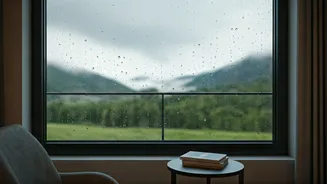
First, let’s clear up a common misconception. For many top destinations, the “rainy season” doesn’t mean a week of non-stop, miserable downpours. More often, it translates to predictable, short-lived afternoon showers. Think of it as nature’s scheduled
intermission. The morning is bright and perfect for exploring, the early afternoon brings a dramatic but brief burst of rain (ideal for a long lunch, a museum visit, or a nap), and the late afternoon and evening are often clear and refreshed. Instead of a washout, it’s a rhythm. You learn to work with it, not against it, and are rewarded with a much more dynamic version of the place you came to see.
2. The Obvious Perk: Deep Discounts
This is the 'budget' part of the flex. When demand drops, so do prices—dramatically. We're not talking about a 10% off coupon. We're talking about flights that are hundreds of dollars cheaper, luxury hotels offering 40-50% off their peak-season rates, and tour operators running deals to fill spots. This is when your travel budget suddenly stretches further than you thought possible. That five-star resort that seemed unattainable in January? It might be within reach in June. The ability to experience a destination with less financial stress is a luxury in itself, allowing you to splurge on a memorable meal or an extra excursion you would have otherwise skipped.
3. The Real Prize: Fewer Crowds
Imagine visiting Costa Rica’s famous cloud forests and hearing only the sounds of wildlife, not the chatter of a dozen other tour groups. Picture yourself walking through Thailand’s ancient temples with space to actually breathe and take in the serenity. This is the reality of off-season travel. The selfie sticks recede, the long lines for attractions vanish, and you get a more authentic sense of place. Locals are often more relaxed, and you’re less likely to feel like just another face in a tourist horde. Having a world-famous vista practically to yourself is a feeling of exclusivity that money can’t always buy in high season.
4. Destination Idea: Costa Rica’s Green Season
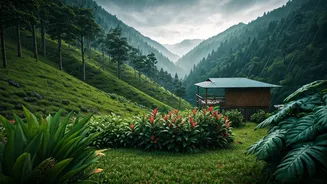
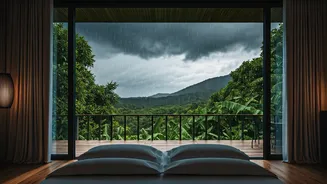
From May to November, Costa Rica enters its “green season.” The name says it all. The afternoon rains transform the landscape into an impossibly lush, vibrant jungle. Waterfalls, which can be underwhelming in the dry season, are thunderous and spectacular. It's the best time for spotting wildlife, as animals are more active. For surfers, the Pacific coast swells are at their peak. For everyone else, it’s a chance to see the country in its most verdant, vital state. Just plan your hikes and zip-lining for the morning, and enjoy the symphony of a tropical rainstorm from a covered balcony in the afternoon.
5. Destination Idea: Southeast Asia’s Monsoon
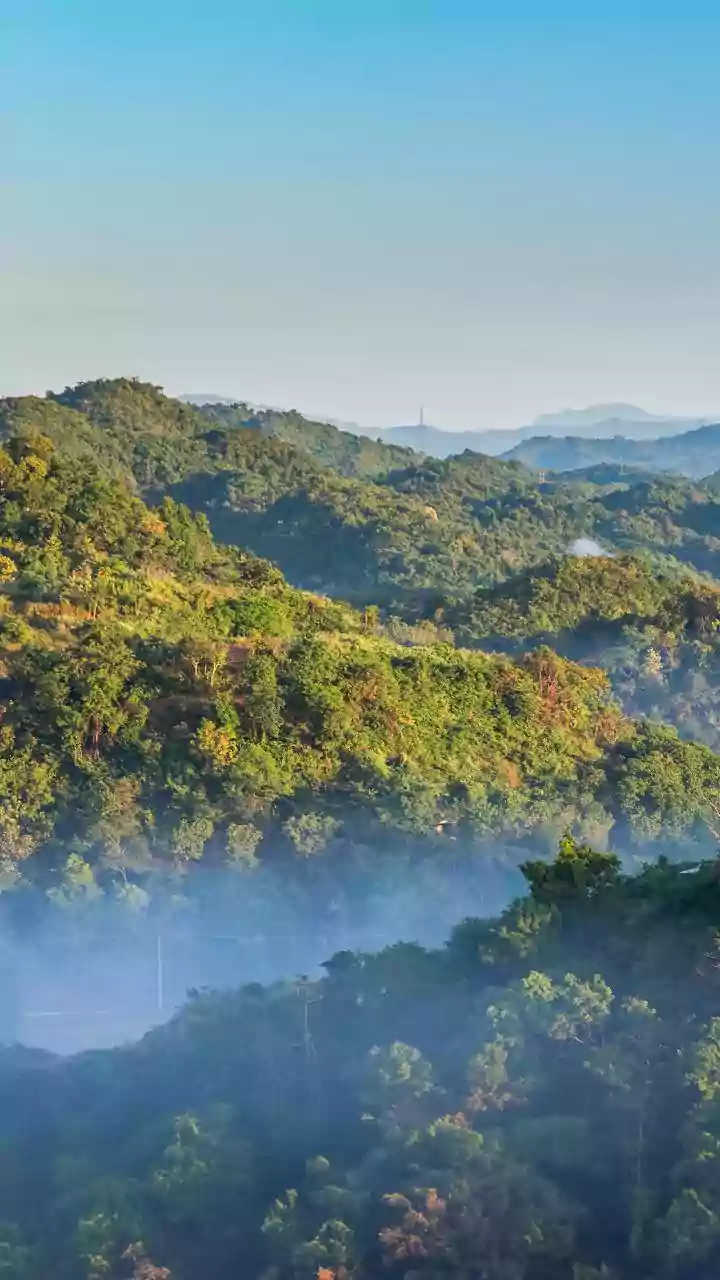
The term “monsoon” sounds intimidating, but in places like Thailand, Vietnam, and Cambodia, it’s often manageable and regional. While one coast is getting soaked, the other might be relatively dry. For example, when the Andaman coast (Phuket, Krabi) is wet, the Gulf coast (Koh Samui) is often sunny and beautiful. The trade-off is brilliant green rice paddies, cooler temperatures that break the oppressive heat, and dramatic, cloud-filled skies that make for stunning photography. It’s a time of renewal, and you get to witness a different, more soulful side of the region.
6. How to Pack and Plan Smart
A rainy escape requires a little extra thought, but it’s simple. First, pack a high-quality, lightweight waterproof jacket—not a bulky winter coat. Bring quick-dry clothing and an extra pair of shoes (nothing is worse than squishy sneakers). A waterproof bag or cover for your electronics is non-negotiable. When planning, build flexibility into your itinerary. Don’t stack your days with back-to-back outdoor activities. Instead, mix in indoor options like cooking classes, spa treatments, or market visits. The key is to embrace a slower pace and have a good attitude. A little rain never hurt anyone, especially when you’re on vacation for half the price.