


It Starts with the Gut
The most visible driver of the fermentation craze is our collective obsession with gut health. For years, we heard vague advice about probiotics. Now, the conversation is more sophisticated. We’re talking about the microbiome: the trillions of microbes
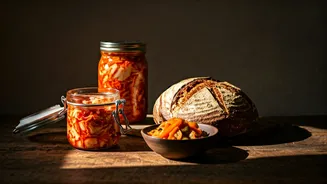
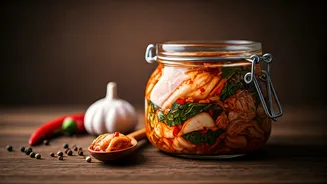
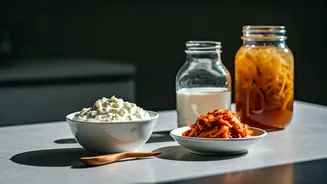
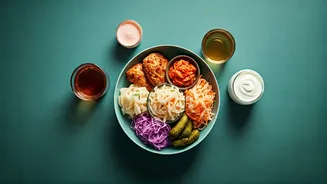
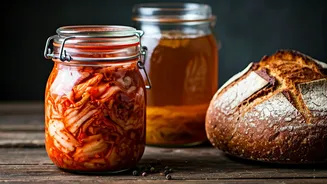
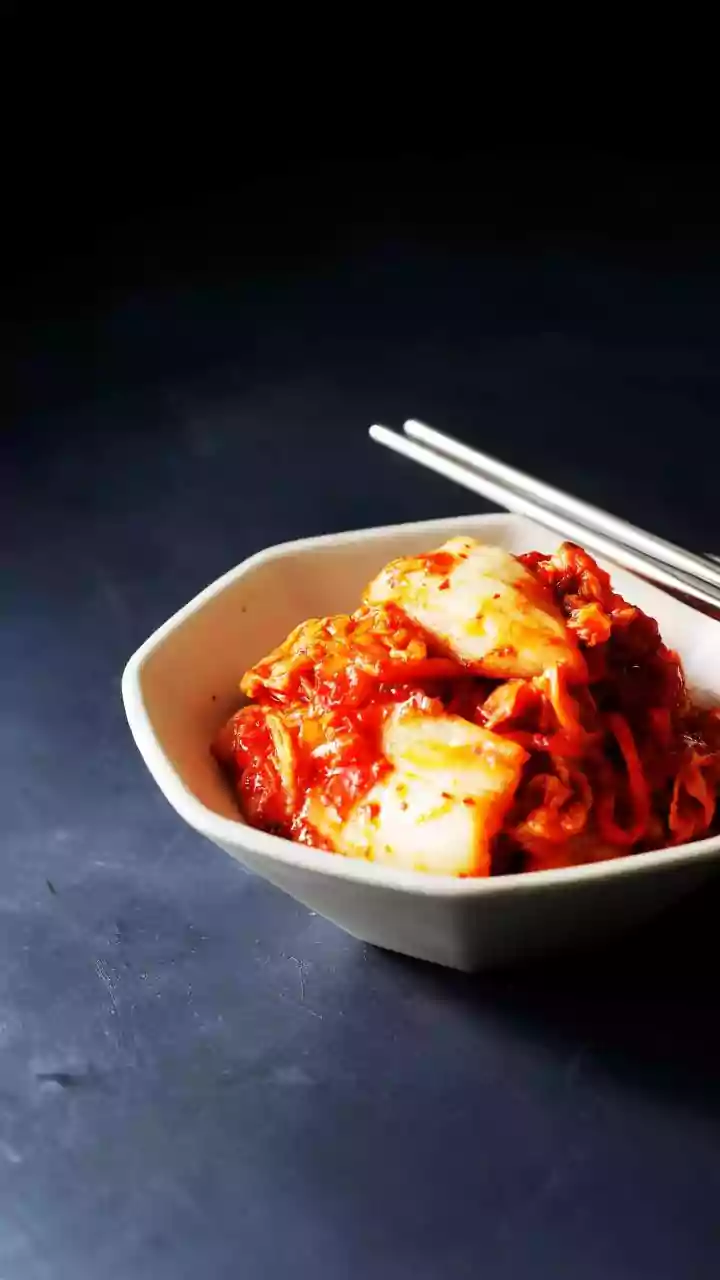
living in our digestive tract that influence everything from immunity to mood. Fermented foods are packed with these beneficial bacteria. Unlike a sterile, processed snack, a spoonful of kimchi or a sip of kefir is literally alive. This idea of eating 'living' foods as a way to cultivate our own internal ecosystem is a powerful counter-narrative to the lifeless, shelf-stable products that have dominated American diets for decades. It feels proactive and natural, a way of tending to our bodies from the inside out.
A Search for Deeper Flavor
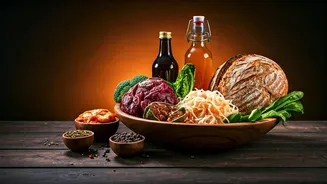
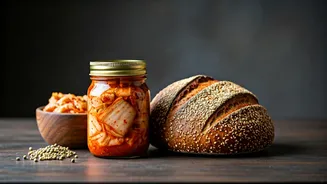
Beyond health, our palates are getting more adventurous. The American flavor profile, long defined by a simple axis of sweet, salty, and fatty, is expanding. Fermentation is the engine of this flavor revolution, creating complex, funky, and deeply savory notes you can’t get any other way. Think of the tangy depth of a good sourdough loaf, the umami punch of miso, or the spicy, effervescent bite of gochujang. These aren't just condiments; they are foundational flavors that make food more exciting. As chefs and home cooks look for ways to add complexity without just adding more salt or sugar, the controlled rot of fermentation has become an essential tool in their arsenal. It's a culinary awakening, pushing us beyond the bland and into a world of incredible taste.
The Rise of DIY and Anti-Processing
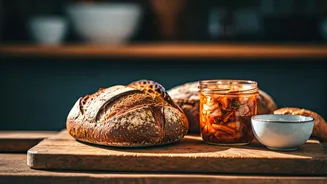
In an era of opaque supply chains and ingredient lists full of unpronounceable chemicals, fermentation offers a radical transparency. When you make your own sauerkraut, you use two ingredients: cabbage and salt. That’s it. This return to basics is a quiet rebellion against the world of ultra-processed foods. The hands-on, almost magical process of turning simple ingredients into something complex and nourishing connects us to our food in a way that scanning a barcode never can. Sourdough baking, which exploded during the pandemic, wasn't just about having bread; it was about the ritual of feeding a starter, the satisfaction of creation, and the community built around sharing tips and troubleshooting. It’s a craft, a hobby, and a statement all in one.
Connecting with Culture and History
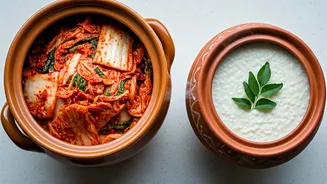
Every culture has its ferments. From Korean kimchi to German sauerkraut to Indian dosa, these foods are steeped in tradition and history. As Americans become more interested in global cuisines, they are discovering that fermentation is a common thread that runs through many of them. Making these foods at home is a way to connect with one's own heritage or to respectfully explore another's. It’s an edible history lesson. It reminds us that for most of human existence, fermentation wasn't a trend; it was a critical method of survival, allowing communities to preserve the harvest and create nutrient-dense foods before refrigeration existed. This revival is, in a way, a reclaiming of that ancestral wisdom in a modern context.