
1. The Cargo Pocket Renaissance
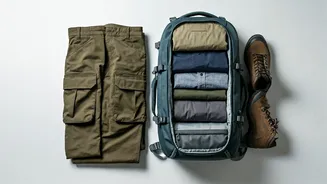
Let’s get the most obvious one out of the way: cargo pockets are back, but not in the way you remember from the early 2000s. Forget the baggy, shapeless pants that swallowed your sneakers. Today’s cargo is more considered. The key is balance. If you’re
wearing pants with prominent pockets, keep the top half simple and fitted. A clean white t-shirt, a slim-fit sweater, or a simple button-down allows the pants to be the focal point without overwhelming your silhouette. Look for cargo pants in a straight or tapered fit, crafted from substantial materials like cotton twill or ripstop. The modern cargo is less about carrying a month’s worth of supplies and more about adding a thoughtful, structural element to an otherwise simple leg line.
2. The Subtle Power of the Hammer Loop
If cargo pockets feel like too much of a statement, the hammer loop is your entry point into utility style. Found on the side of carpenter jeans and work pants, this simple fabric loop was designed to hold, well, a hammer. In a fashion context, it does something much more subtle: it breaks up the monotonous vertical line of your pants. It’s a detail that signals a workwear influence without screaming it. Painter’s pants or carpenter jeans in a classic off-white, khaki, or denim are incredibly versatile. The loop and extra tool pockets add just enough visual texture to make a simple sweatshirt-and-sneakers combo feel intentional and put-together. It’s a nod to rugged functionality that feels authentic, not costumey.
3. Toggles and Drawcords for a Techy Edge
Originating in performance and outdoor gear, adjustable toggles and bungee-style drawcords have trickled into mainstream fashion. You’ll find them on the hems of pants, the hoods of jackets, and the waistlines of shorts. Their purpose is both functional and aesthetic. Cinching the hem of a pair of track pants or nylon trousers, for example, completely changes their silhouette, allowing you to show off your footwear and create a more tapered look. This small act of adjustment gives you control over your fit and adds a touch of “gorpcore” (a style centered on outdoor apparel) to your wardrobe. A simple windbreaker with exposed toggles or a pair of pants with an adjustable cuff instantly feels more modern and dynamic than its static alternative.
4. The Multi-Pocket Vest as a Third Piece
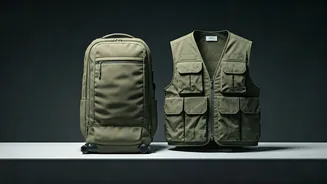
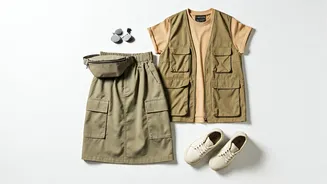
Style experts often talk about adding a “third piece”—like a blazer or cardigan—to elevate a simple top-and-bottoms outfit. The utility vest is the perfect modern substitute. Whether it’s a lightweight fishing-style vest with mesh panels or a sturdier canvas chore vest, this layer adds dimension, texture, and a lot of pockets. It’s more interesting than a hoodie but less formal than a sport coat. Throw it on over a long-sleeve tee or even a simple crewneck sweatshirt. The key is to think of it as a functional accessory. It breaks up the torso and provides a central point of interest, effortlessly turning a basic fit into a considered ‘look.’ Start with neutral colors like olive, navy, or tan for maximum versatility.
5. Reinforced Paneling and Double Knees
Like the hammer loop, reinforced paneling is a detail borrowed directly from durable workwear. Brands like Carhartt and Dickies perfected the “double knee” pant, which features an extra layer of fabric sewn over the knee for durability. This patch of material does more than just prevent blowouts; it adds a strong, graphic element to your pants. The stitching and distinct fabric panel draw the eye and create a sense of substance and ruggedness. Paired with something as simple as a hoodie and some classic sneakers, double-knee pants provide a built-in point of interest. The contrast in texture makes the entire outfit feel more robust and thoughtfully assembled, proving that sometimes the most practical features are also the most stylish.