


Beyond Simple Fusion
For years, “fusion” food often meant a clumsy mashing of cultures on a plate, sometimes resulting in dishes that satisfied no one. But the new wave of Desi-inflected comfort food is different. This isn't about slapping curry powder on a burger and calling
it a day. It’s an authentic, organic evolution driven by chefs, home cooks, and entrepreneurs who grew up with two distinct culinary lexicons: the comforting, hearty staples of American life and the complex, aromatic flavors of their South Asian heritage. The result is food that feels both innovative and deeply personal. It’s the natural product of a generation that sees no conflict in loving both pizza and biryani, and has the creativity to ask, “What if they could exist in the same delicious bite?”
The New Comfort Classics
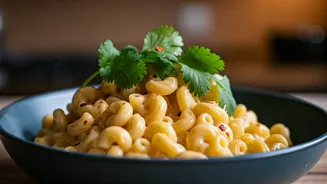
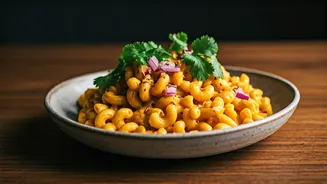
The stars of this movement are dishes that sound surprising at first but make perfect sense on the first bite. Take masala mac and cheese, a now-iconic example. The creamy, savory base of a traditional cheese sauce provides the perfect canvas for spices like turmeric, cumin, and coriander, adding an earthy depth that cuts through the richness. Chicken tikka poutine swaps bland gravy for a vibrant, tomato-based tikka masala sauce poured over crispy fries and cheese curds. We’re seeing tandoori fried chicken, which marries the crisp, juicy perfection of Southern-style chicken with the smoky, yogurt-and-spice marinade of a tandoor oven. Even dessert isn't safe from this delicious reinvention, with treats like gulab jamun cheesecake—where the syrupy, milk-solid sweets are baked into a creamy cheesecake base—or cardamom-spiced brownies becoming sensations in bakeries and home kitchens across the country.
A Story of Identity on a Plate
At its heart, this culinary trend is a story of identity. For many second- and third-generation South Asian Americans, food is a primary vehicle for exploring and expressing a hybrid identity. They are navigating what it means to be fully American and fully Desi, all at once. These dishes are an edible declaration that they don't have to choose. They are a rejection of the idea that one part of their heritage must be diluted to accommodate the other. Cooking a chicken tikka pizza or developing a recipe for chili-cheese dosa is an act of creation that honors both sides of their experience. It’s a delicious form of code-switching, where the rules of one cuisine are fluently blended with the flavors of another to create a new, coherent language that speaks to their unique place in the world.
From Home Kitchens to Main Street
What started in family kitchens and potlucks is now a powerful force in the American food scene. You can see it in the explosion of pop-ups, food trucks, and fast-casual restaurants dedicated to this new cuisine. Chefs like Meherwan Irani with Chai Pani and Floyd Cardoz before him paved the way by presenting Indian food in new, accessible contexts. Now, a new generation is taking that baton and running with it, finding success with concepts that are unabashedly Desi-American. This movement is also thriving on social media, where platforms like Instagram and TikTok allow home cooks to share their creations—like a paneer-stuffed grilled cheese or a butter chicken lasagna—with a global audience, inspiring countless others to experiment. It’s a sign that these “upgrades” are not just a niche trend but are becoming integrated into the broader fabric of American dining.