



The First Wave of Fermentation
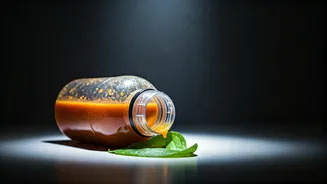
Remember when the most exotic thing in the dairy aisle was Greek yogurt? Then, almost overnight, the refrigerator section of every Whole Foods and corner grocery store became a global food fair. Tart, fizzy kombucha from East Asia, spicy, crunchy kimchi
from Korea, and creamy, tangy kefir from the Caucasus Mountains became the new symbols of American wellness. This first wave was built on a powerful and appealing idea: tapping into ancient, time-tested wisdom from other cultures to fix our modern, processed problems. We were told these foods were teeming with probiotics—live beneficial bacteria—that could rebalance our internal ecosystems. It was a simple, compelling story, and we bought it by the bottle and the jar. This wasn't just about health; it was about connecting with something authentic, traditional, and, frankly, more interesting than a daily multivitamin.
From Probiotics to the Full Picture
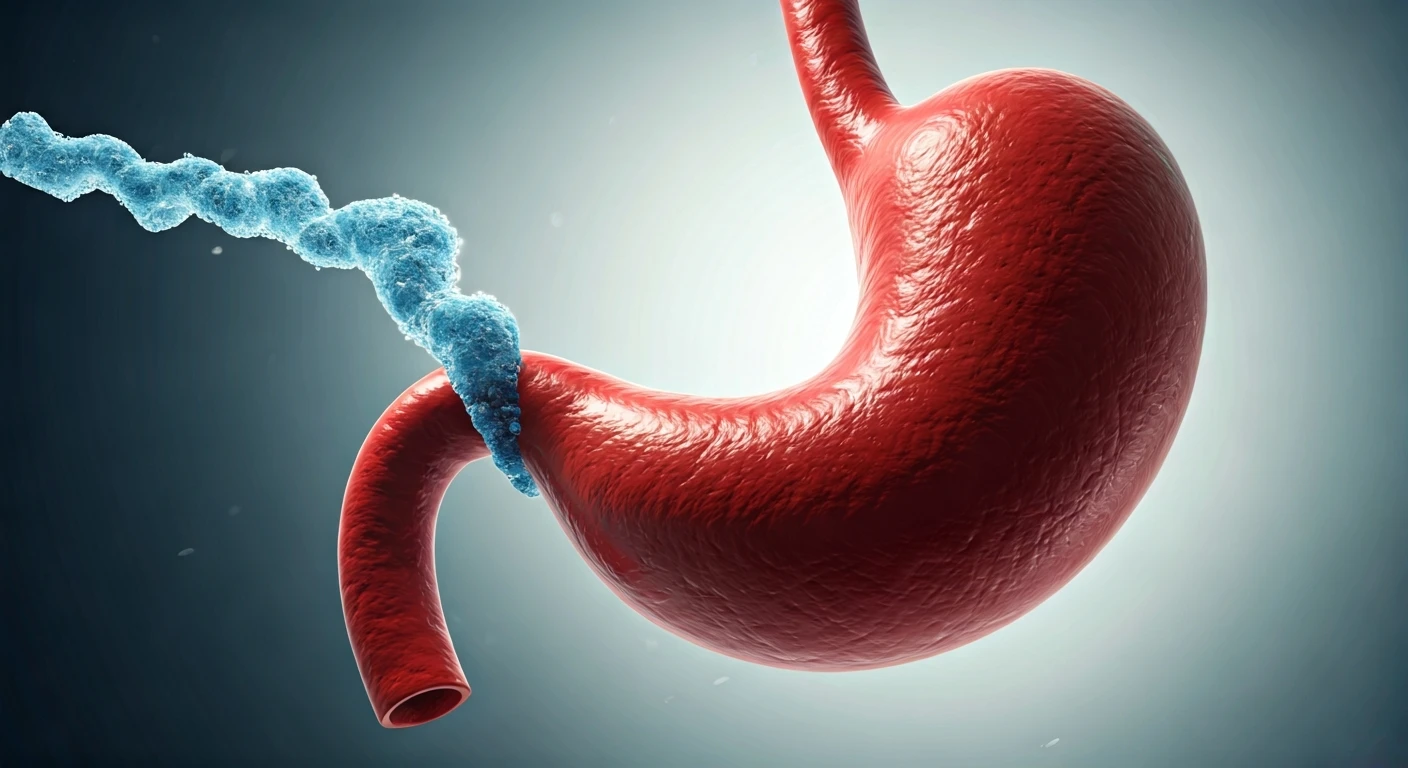
The initial focus on probiotics was a bit like trying to grow a garden by only scattering seeds and hoping for the best. Scientists and, eventually, wellness brands began to realize that for those seeds to sprout, they need the right environment. This led to a broader understanding of the gut microbiome that includes two other key players: prebiotics and postbiotics.
Think of it this way:
- **Probiotics** are the beneficial bacteria (the seeds).
- **Prebiotics** are the specific types of fiber that feed those good bacteria (the fertilizer).
- **Postbiotics** are the beneficial compounds that the good bacteria produce when they eat prebiotics (the fruits and vegetables your garden produces).
This more holistic view marked a significant shift. The goal was no longer just to introduce foreign bacteria, but to nourish the beneficial microbes we already have and support the entire ecosystem. This scientific maturation laid the groundwork for a new generation of products that could be engineered and optimized, moving away from relying solely on traditional fermentation.
The New American Gut Health Aisle
Walk through a grocery store today, and you'll see this new philosophy in action. Instead of just fermented drinks, the gut health trend has thoroughly infiltrated mainstream American products. The new stars of the show are prebiotic sodas, like Olipop and Poppi, which package gut-friendly fiber in the familiar, comforting format of a can of soda. These drinks promise the nostalgic flavor of root beer or cherry cola but with a fraction of the sugar and a hefty dose of chicory root or inulin to feed your microbiome. It’s a quintessentially American approach: take a complex health concept and make it convenient, fun, and delicious. Beyond drinks, you'll find this trend in high-fiber snack bars, cereals fortified with prebiotics, and even powders you can mix into water. This new wave is less about adopting a foreign ritual and more about upgrading the American diet we already know.
The Future is Personal and Data-Driven
The final frontier of this Americanization of gut health is personalization, driven by technology. While imported wellness trends offer a one-size-fits-all solution, the new approach leans into our individualistic culture. Companies like Zoe and Viome offer at-home testing kits that analyze your unique microbiome. After sending in a stool sample, you receive a detailed report and personalized recommendations on the exact foods your gut needs to thrive. This turns gut health from a general principle into a data-driven, bio-hacking project. It's the logical endpoint of the trend's evolution: moving from ancient global traditions to hyper-modern, N-of-1 science. It suggests that the best path to a healthy gut might not be found in a centuries-old recipe from across the ocean, but in a lab report that tells you whether you should be eating more blueberries or almonds.