
The Great Fitness Reset
For years, the dominant fitness narrative was one of punishment. High-Intensity Interval Training (HIIT), bootcamps, and no-pain-no-gain mantras ruled the day. Workouts were something to be endured, a frantic battle against the clock and your own physical
limits. But the collective burnout of the post-pandemic era has triggered a profound shift in what consumers want from exercise. Many are trading the adrenaline-fueled exhaustion of high-impact workouts for something more restorative and intentional. This isn't about being lazy; it's about a re-prioritization of wellness. People are looking for routines that build strength without wrecking their joints, that connect mind and body instead of just fatiguing muscles. Pilates, with its emphasis on controlled movements, core strength, and mindful breathing, fits this new paradigm perfectly. It offers a challenging workout that feels like an act of self-care rather than self-flagellation, a powerful draw for a population weary of being told to simply go harder.
From Niche to Mainstream, Thanks to Social Proof
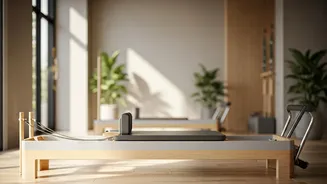
While Pilates has been around for a century, its current explosion in popularity is fueled by a modern force: social media. Celebrities and influencers, from Hailey Bieber and Kendall Jenner to Lori Harvey, are its most powerful ambassadors. Unlike a sweaty, red-faced selfie after a HIIT class, the Pilates aesthetic is aspirational and photogenic. The long, clean lines of the reformer machine, the coordinated athleisure, and the resulting 'long and lean' physique create powerful visual catnip for Instagram and TikTok. This has democratized the allure of Pilates far beyond its traditional enclaves in Los Angeles and New York. A TikTok trend showing a 'snatched' waist after weeks of Pilates is more compelling marketing than any billboard. It provides visual 'proof' of the workout's effectiveness, creating a viral loop of desire and adoption. When people see their favorite creators or celebrities committing to a routine, it becomes a trusted recommendation, driving them to book a class for themselves.
The Smart Business of Boutique Studios
The rise of Pilates is also a story of a successful business model. Boutique studios like Club Pilates, Solidcore, and a host of independent local players have perfected the premium fitness experience. They've unbundled the gym, offering one specific thing and doing it exceptionally well. This specialization allows them to command higher per-class prices than a standard gym membership. Consumers are willing to pay because they're not just buying a workout; they're buying an experience, a community, and expertise. Unlike a sprawling, anonymous big-box gym, a boutique Pilates studio offers a sense of belonging. Instructors know your name, classes are small, and a distinct culture forms around the shared activity. This community aspect is a huge driver of retention. Furthermore, the reliance on specialized equipment like reformers creates a high barrier to at-home replication, ensuring clients have to come into the studio to get the full experience—a key advantage in an era of hybrid fitness.
A Focus on Longevity and Functional Strength
Beyond the aesthetics, the core principles of Pilates align with a growing cultural interest in longevity and sustainable wellness. The workout, developed by Joseph Pilates to rehabilitate injured soldiers, is fundamentally about building functional strength from the inside out. It focuses on posture, stability, flexibility, and deep core muscles—the very things that support an active, pain-free life as we age. This makes it appealing to a broad demographic, from 20-somethings looking to build a foundation to older adults seeking to maintain mobility and prevent injury. While other fitness trends can feel exclusionary or cater to a specific body type, the adaptable nature of Pilates makes it accessible. Whether you're a professional athlete cross-training or a desk worker trying to undo the damage of sitting all day, the movements can be modified to meet your needs. This focus on building a resilient, capable body for the long haul is arguably its most compelling—and enduring—selling point.